
Skip to Content
  • オフィス

    オフィス

    北米・南米
    • Atlanta
    • Austin
    • Bogota
    • Boston
    • Buenos Aires
    • Chicago
    • Dallas
    • Denver
    • Houston
    • Los Angeles
    • Mexico City
    • Minneapolis
    • Monterrey
    • Montreal
    • New York
    • Rio de Janeiro
    • San Francisco
    • Santiago
    • São Paulo
    • Seattle
    • Silicon Valley
    • Toronto
    • Washington, DC
    ヨーロッパ・中東・アフリカ
    • Amsterdam
    • Athens
    • Berlin
    • Brussels
    • Copenhagen
    • Doha
    • Dubai
    • Dusseldorf
    • Frankfurt
    • Helsinki
    • Istanbul
    • Johannesburg
    • Kyiv
    • Lisbon
    • London
    • Madrid
    • Milan
    • Munich
    • Oslo
    • Paris
    • Riyadh
    • Rome
    • Stockholm
    • Vienna
    • Warsaw
    • Zurich
    アジア・オーストラリア
    • Bangkok
    • Beijing
    • Bengaluru
    • Brisbane
    • Ho Chi Minh City
    • Hong Kong
    • Jakarta
    • Kuala Lumpur
    • Manila
    • Melbourne
    • Mumbai
    • New Delhi
    • Perth
    • Shanghai
    • Singapore
    • Sydney
    • Tokyo
    全てのオフィス
  • アルムナイ
  • メディア
  • お問い合わせ
  • 東京オフィス
  • Japan | 日本語

    地域と言語を選択

    グローバル
    • Global (English)
    北米・南米
    • Brazil (Português)
    • Argentina (Español)
    • Canada (Français)
    • Chile (Español)
    • Colombia (Español)
    ヨーロッパ・中東・アフリカ
    • France (Français)
    • DACH Region (Deutsch)
    • Italy (Italiano)
    • Spain (Español)
    • Greece (Elliniká)
    アジア・オーストラリア
    • China (中文版)
    • Korea (한국어)
    • Japan (日本語)
  • Saved items (0)
    Saved items (0)

    You have no saved items.

    後で閲読、共有できるようにするためにブックマークしてください

    Explore Bain Insights
  • 業界別プラクティス
    メインメニュー

    業界別プラクティス

    • 航空宇宙、防衛、政府関連
    • 農業
    • 化学製品
    • インフラ、建設
    • 消費財
    • 金融サービス
    • ヘルスケア
    • 産業機械、設備
    • メディア、エンターテインメント
    • 金属
    • 採掘・鉱業
    • 石油、ガス
    • 紙、パッケージ
    • プライベートエクイティ
    • 公共、社会セクター
    • 小売
    • テクノロジー
    • 通信
    • 交通
    • 観光産業
    • 公益事業、再生可能エネルギー
  • 機能別プラクティス
    メインメニュー

    機能別プラクティス

    • カスタマー・エクスペリエンス
    • サステイナビリティ、 社会貢献
    • Innovation
    • 企業買収、合併 (M&A)
    • オペレーション
    • 組織
    • プライベートエクイティ
    • マーケティング・営業
    • 戦略
    • アドバンスド・アナリティクス
    • Technology
    • フルポテンシャル・トランスフォーメーション
  • Digital
  • 知見/レポート
  • ベイン・アンド・カンパニーについて
    メインメニュー

    ベイン・アンド・カンパニーについて

    • ベインの信条
    • 活動内容
    • 社員とリーダーシップ
    • プレス・メディア情報
    • クライアントの結果
    • 受賞歴
    • パートナーシップを結んでいる団体
    Further: Our global responsibility
    • ダイバーシティ
    • 社会貢献
    • サステイナビリティへの取り組み
    • 世界経済フォーラム(WEF)
    Learn more about Further
  • キャリア
    メインメニュー

    キャリア

    • ベインで働く
      キャリア
      ベインで働く
      • Find Your Place
      • ベインで活躍する機会
      • ベインのチーム体制
      • 学生向けページ
      • インターンシップ
      • 採用イベント
    • ベインでの体験
      キャリア
      ベインでの体験
      • Blog: Inside Bain
      • キャリアストーリー
      • 社員紹介
      • Where We Work
      • 成長を後押しするサポート体制
      • アフィニティ・グループ
      • 福利厚生
    • Impact Stories
    • 採用情報
      キャリア
      採用情報
      • 採用プロセス
      • 面接内容
    FIND JOBS
  • オフィス
    メインメニュー

    オフィス

    • 北米・南米
      オフィス
      北米・南米
      • Atlanta
      • Austin
      • Bogota
      • Boston
      • Buenos Aires
      • Chicago
      • Dallas
      • Denver
      • Houston
      • Los Angeles
      • Mexico City
      • Minneapolis
      • Monterrey
      • Montreal
      • New York
      • Rio de Janeiro
      • San Francisco
      • Santiago
      • São Paulo
      • Seattle
      • Silicon Valley
      • Toronto
      • Washington, DC
    • ヨーロッパ・中東・アフリカ
      オフィス
      ヨーロッパ・中東・アフリカ
      • Amsterdam
      • Athens
      • Berlin
      • Brussels
      • Copenhagen
      • Doha
      • Dubai
      • Dusseldorf
      • Frankfurt
      • Helsinki
      • Istanbul
      • Johannesburg
      • Kyiv
      • Lisbon
      • London
      • Madrid
      • Milan
      • Munich
      • Oslo
      • Paris
      • Riyadh
      • Rome
      • Stockholm
      • Vienna
      • Warsaw
      • Zurich
    • アジア・オーストラリア
      オフィス
      アジア・オーストラリア
      • Bangkok
      • Beijing
      • Bengaluru
      • Brisbane
      • Ho Chi Minh City
      • Hong Kong
      • Jakarta
      • Kuala Lumpur
      • Manila
      • Melbourne
      • Mumbai
      • New Delhi
      • Perth
      • Shanghai
      • Singapore
      • Sydney
      • Tokyo
    全てのオフィス
  • アルムナイ
  • メディア
  • お問い合わせ
  • 東京オフィス
  • Japan | 日本語
    メインメニュー

    地域と言語を選択

    • グローバル
      地域と言語を選択
      グローバル
      • Global (English)
    • 北米・南米
      地域と言語を選択
      北米・南米
      • Brazil (Português)
      • Argentina (Español)
      • Canada (Français)
      • Chile (Español)
      • Colombia (Español)
    • ヨーロッパ・中東・アフリカ
      地域と言語を選択
      ヨーロッパ・中東・アフリカ
      • France (Français)
      • DACH Region (Deutsch)
      • Italy (Italiano)
      • Spain (Español)
      • Greece (Elliniká)
    • アジア・オーストラリア
      地域と言語を選択
      アジア・オーストラリア
      • China (中文版)
      • Korea (한국어)
      • Japan (日本語)
  • Saved items  (0)
    メインメニュー
    Saved items (0)

    You have no saved items.

    後で閲読、共有できるようにするためにブックマークしてください

    Explore Bain Insights
  • 業界別プラクティス
    • 業界別プラクティス

      • 航空宇宙、防衛、政府関連
      • 農業
      • 化学製品
      • インフラ、建設
      • 消費財
      • 金融サービス
      • ヘルスケア
      • 産業機械、設備
      • メディア、エンターテインメント
      • 金属
      • 採掘・鉱業
      • 石油、ガス
      • 紙、パッケージ
      • プライベートエクイティ
      • 公共、社会セクター
      • 小売
      • テクノロジー
      • 通信
      • 交通
      • 観光産業
      • 公益事業、再生可能エネルギー
  • 機能別プラクティス
    • 機能別プラクティス

      • カスタマー・エクスペリエンス
      • サステイナビリティ、 社会貢献
      • Innovation
      • 企業買収、合併 (M&A)
      • オペレーション
      • 組織
      • プライベートエクイティ
      • マーケティング・営業
      • 戦略
      • アドバンスド・アナリティクス
      • Technology
      • フルポテンシャル・トランスフォーメーション
  • Digital
  • 知見/レポート
  • ベイン・アンド・カンパニーについて
    • ベイン・アンド・カンパニーについて

      • ベインの信条
      • 活動内容
      • 社員とリーダーシップ
      • プレス・メディア情報
      • クライアントの結果
      • 受賞歴
      • パートナーシップを結んでいる団体
      Further: Our global responsibility
      • ダイバーシティ
      • 社会貢献
      • サステイナビリティへの取り組み
      • 世界経済フォーラム(WEF)
      Learn more about Further
  • キャリア
    人気検索キーワード
    • デジタル
    • 戦略
    前回の検索
      最近訪れたページ

      Content added to saved items

      Saved items (0)

      Removed from saved items

      Saved items (0)

      記事

      Retail Fulfillment: The Ultimate Supply Chain Balancing Act

      Retail Fulfillment: The Ultimate Supply Chain Balancing Act

      Retailers can rapidly improve speed, efficiency and responsiveness by making the most of existing assets.

      著者:Travis Wibracht, Mikey Vu, Eugene Belashchenko, and Ryan Fisher

      • min read
      }

      記事

      Retail Fulfillment: The Ultimate Supply Chain Balancing Act
      en

      Covid-19 has triggered unprecedented growth in e-commerce, overwhelming retailers’ supply chains. Between March and September 2020, US online orders at Walmart more than tripled to 20% of sales; at Best Buy, they more than doubled to 50%. And online grocery sales doubled in 2020 in both the US and some European countries.

      The e-commerce surge is straining global distribution systems just as digital pioneers like Amazon raise customer expectations on speed of delivery to one day or less. And the biggest challenge is yet to come: Bain research shows that US retail e-commerce penetration will grow to nearly 30% of total sales by 2025.

      Retail executives are feeling the pain. A sharp rise in online sales has magnified the problems of aging distribution networks, including inventory pileups, slow cycle times and supply in the wrong place. As a result, executives are struggling from week to week to increase network speed, boost flexibility and keep costs down. It’s the ultimate supply chain balancing act.

      “How can we meet growing customer demands now, without a massive investment in new distribution facilities?” We hear this all the time. The good news is that you can design your long-term strategy with thoughtful capital outlays while immediately improving supply chain performance using the infrastructure you have in place. Many retailers have an asset that Amazon does not—a vast network of stores.

      Successful retailers optimize network efficiency, speed and flexibility by determining what matters most to their customers. That allows them to make better use of their existing supply nodes—distribution centers, microfulfillment centers, hub stores and individual stores—to meet the most pressing need first. It also enables them to rapidly improve customer satisfaction without rushing into a huge capital investment. Retailers that rank convenience and fast delivery as top priorities, for example, could rely more on their own stores for e-commerce fulfillment. Those that care most about efficiency will use distribution centers or microfulfillment centers.

      In our experience, many retailers can achieve gains in all three categories—cost, speed and flexibility—by tackling basic inefficiencies in omnichannel fulfillment. For example, a US specialty retailer, with a supply chain designed to minimize cost, is on track to double its same-day and next-day delivery capacity, turning its network into a competitive weapon. The shift to a store-centric fulfillment model will increase fulfillment speed and avert a large capital investment—the forecast increase in operating costs is less than 1%.

      The battle of the nodes

      Retailers were already grappling with rapid change before Covid-19 struck, but the pandemic has accelerated e-commerce penetration by one to two years. To meet growing online demand, many retailers are rushing to build microfulfillment centers that push fulfillment closer to the end customer but still offer the benefits of a centralized facility and operations. Sometimes that’s the right choice. However, many retailers can fulfill e-commerce orders efficiently from their existing stores, cutting down the high cost of last-mile delivery.

      One of Target’s early digital moves was to offer customers the option of buying online and picking up their purchases in stores. Now, the retailer is increasingly relying on ship-from-store, which it has determined is cheaper, in many instances, than shipping from a microfulfillment center. Target is also experimenting with fulfilling e-commerce orders from a sorting center, sending purchases from the store closest to the customer to a nearby center to be packaged and shipped for last-mile delivery.

      Retailers with vast store networks, such as Best Buy, are scaling the store-fulfillment strategy by delegating hub stores with extra capacity to fulfill digital orders. Of course, microfulfillment centers and traditional distribution centers are more efficient: Their labor costs are lower and they require less inventory—as long as they can deliver goods in a timely manner. But as customer expectations for rapid delivery continue to rise, many retailers are starting to rely to some degree on in-store fulfillment.

      Priority on speed. Retailers that offer to deliver orders on the same day or the next day can improve speed and responsiveness by shipping the majority of goods from existing stores. The approach is especially well suited to larger stores that can accommodate in-house fulfillment workers, either picking goods from the floor or from a separate platform in the back of the store. Walmart uses the same approach in China, and it relies on a partner to offer one-hour grocery delivery within a limited radius. In-store fulfillment reduces the cost of the last mile of delivery, but it also results in a greater number of split shipments and increased inventory stock. So, retailers that choose this option require more accurate demand forecasting by fulfillment location.  

      Almost every retailer is struggling to minimize split shipments while still enabling fast delivery. And some already are improvising on the in-store fulfillment model. Target began experimenting with sending goods from stores to a sorting center for packing and shipping, in part to help reduce split shipments.

      Priority on efficiency. Retailers that put cost efficiency first use a heavier mix of centralized e-commerce fulfillment centers in their network model design, including microfulfillment centers. Centralized fulfillment is more productive when it comes to picking and packing units per hour. That gain helps offset the increased delivery cost of shipping from a more distant supply (see Figure 1). The risk: If picking and packing efficiencies in a centralized fulfillment model don’t offset higher delivery cost—and consumer expectations for rapid delivery continue to rise—this strategy may result in a competitive disadvantage.

      Figure 2
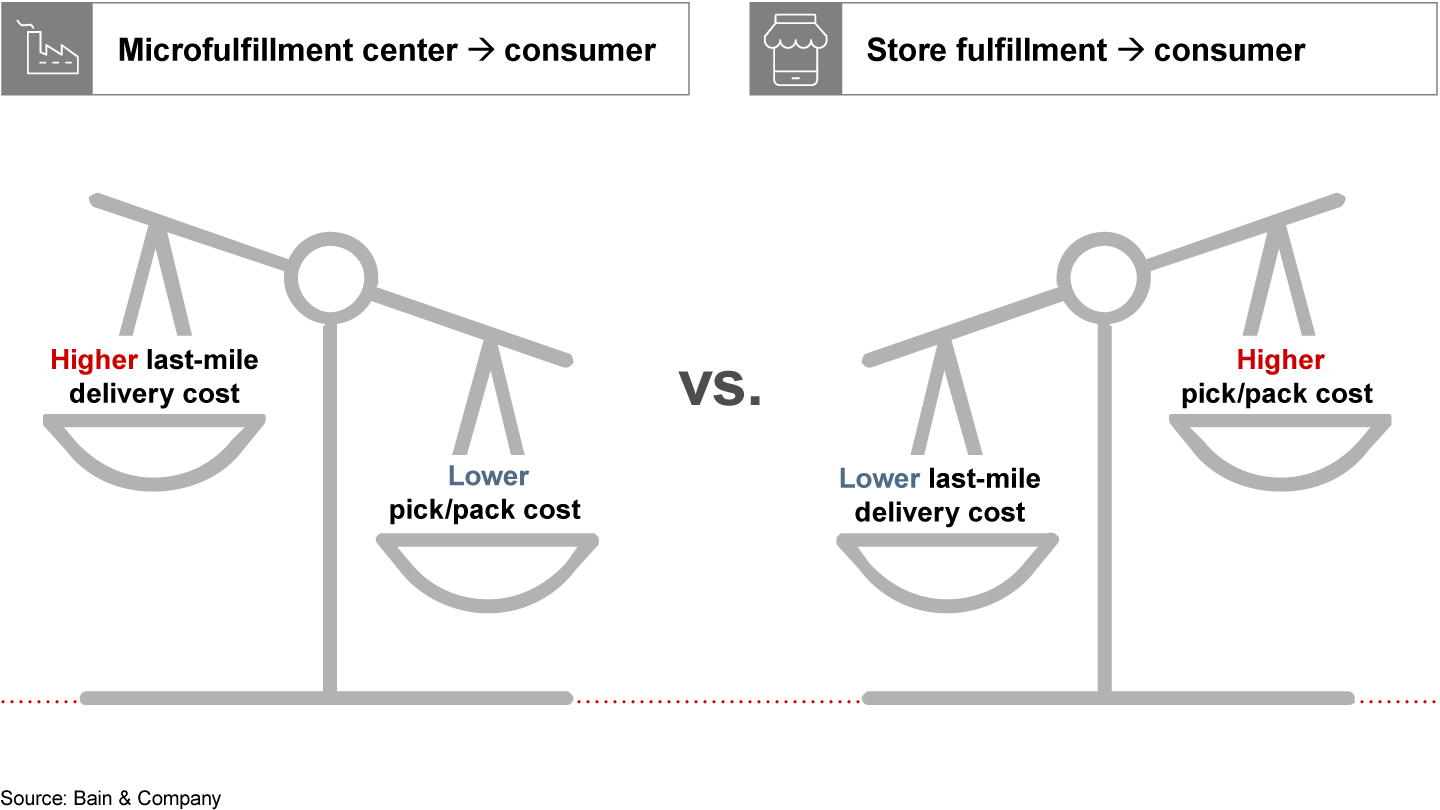
      Leading retailers weigh delivery cost with picking and packing efficiency across all distribution nodes

      Kroger has taken an efficiency-first approach in its partnership with British grocer Ocado: It licensed Ocado’s automated warehouse technology, which is designed to fulfill online orders for delivery to consumers’ doors.

      Many European retailers are also relying more on distribution centers or microfulfillment centers, as stores are not always large enough to accommodate e-commerce picker capacity. For instance, Carrefour in Qatar announced in 2020 that it will open another fulfillment center to serve the spike in online demand. Waitrose opened a six-acre fulfillment center in north London in May, doubling its capacity to fulfill online orders, and plans to open a third fulfillment center, located in west London.   

      Priority on flexibility. The world has become more volatile and less predictable. No retailer can forecast exactly how e-commerce will develop. And a range of external forces from weather to geopolitics can suddenly disrupt global supply chains. A flexible fulfillment strategy will help companies adjust rapidly to unexpected shifts in supply and demand.

      For instance, when Covid-19 reduced store traffic, some European retailers quickly increased their reliance on ship-from-store as the number of customers shopping in-store declined, opening up space for fulfillment employees on the floor. Having this flexibility gave these retailers a competitive edge.

      Successful retailers have a clear customer-first vision that helps determine the right priority when it comes to fulfillment, be it speed, efficiency or flexibility.

      The authors would like to thank Sara Katherine Padilla for her contributions to this article.

      著者
      • Headshot of Travis Wibracht
        Travis Wibracht
        パートナー, Dallas
      • Headshot of Mikey Vu
        Mikey Vu
        パートナー, Austin
      • Headshot of Eugene Belashchenko
        Eugene Belashchenko
        パートナー, Boston
      • Headshot of Ryan Fisher
        Ryan Fisher
        パートナー, Dallas
      関連業種
      • 小売
      小売
      Stay Relevant, Spark Energy: Pedro Arnt, CEO dLocal

      How can a hyperscaler grow at lightning speed without losing its soul? 

      詳細
      小売
      The 2026 Retail Executive Agenda

      Here are letters to the C-suite to help strengthen strategy, catalyze collaboration, and expand value creation in the AI age.

      詳細
      小売
      The 2025 Chinese Personal Luxury Goods Market

      Recalibration, resurgence, and more selective consumers are edging China’s personal luxury market toward recovery.

      詳細
      小売
      2026 Global Retail Sales Outlook

      What can retailers in the US, UK, France, and Germany anticipate from shoppers this year?

      詳細
      小売
      US Consumer Health Update

      Upper-income earners seem to be adopting a defensive position but are not yet reporting negative spending intentions.

      詳細
      First published in 1月 2021
      Tags
      • 小売

      クライアント支援事例

      Customer Experience With Sophisticated Customer Segmentation, a Travel Company Sets Sail

      ケーススタディを見る

      顧客戦略、マーケティング A major retailer rejuvenates sales by thinking local

      ケーススタディを見る

      Digital Omnichannel strategy boosts fashion company

      ケーススタディを見る

      お気軽にご連絡下さい

      私達は、グローバルに活躍する経営者が抱える最重要経営課題に対して、厳しい競争環境の中でも成長し続け、「結果」を出すために支援しています。

      ベインの知見。競争が激化するグローバルビジネス環境で、日々直面するであろう問題について論じている知見を毎月お届けします。

      *プライバシーポリシーの内容を確認し、合意しました。

      プライバシーポリシーをご確認頂き、合意頂けますようお願い致します。
      Bain & Company
      お問い合わせ Sustainability Accessibility Terms of use Privacy Cookie Policy Sitemap Log In

      © 1996-2026 Bain & Company, Inc.

      お問い合わせ

      How can we help you?

      • ビジネスについて
      • プレス報道について
      • 採用について
      全てのオフィス