

Report

Executive Summary
The luxury goods market continues to grow
The 18th edition of the Bain Luxury Study, published by Bain & Company for Fondazione Altagamma, the trade association of Italian luxury goods manufacturers, analyzed recent developments in the global luxury goods industry, as well as the future outlook.
The luxury industry as tracked by Bain encompasses both luxury goods and experiences. It comprises nine segments, led by luxury cars, luxury hospitality and personal luxury goods, which together account for more than 80% of the total market.
Overall, the luxury market grew by 4% in 2019, to an estimated €1.3 trillion globally, with positive performance across most segments.
Sales of luxury cars continued to dominate the market, growing by 7% at constant exchange rates to €550 billion. Most luxury experiences remained attractive to consumers, as illustrated by sales growth of gourmet food and fine dining (up 6%) and sales of luxury cruises (up 9%). However, the luxury hospitality segment experienced lower growth than historically (up only 2%, compared with 5% last year). We observe a consumption shift back to luxury products, with luxury experiences growing less than previously.
Personal luxury goods post positive, but more moderate, growth
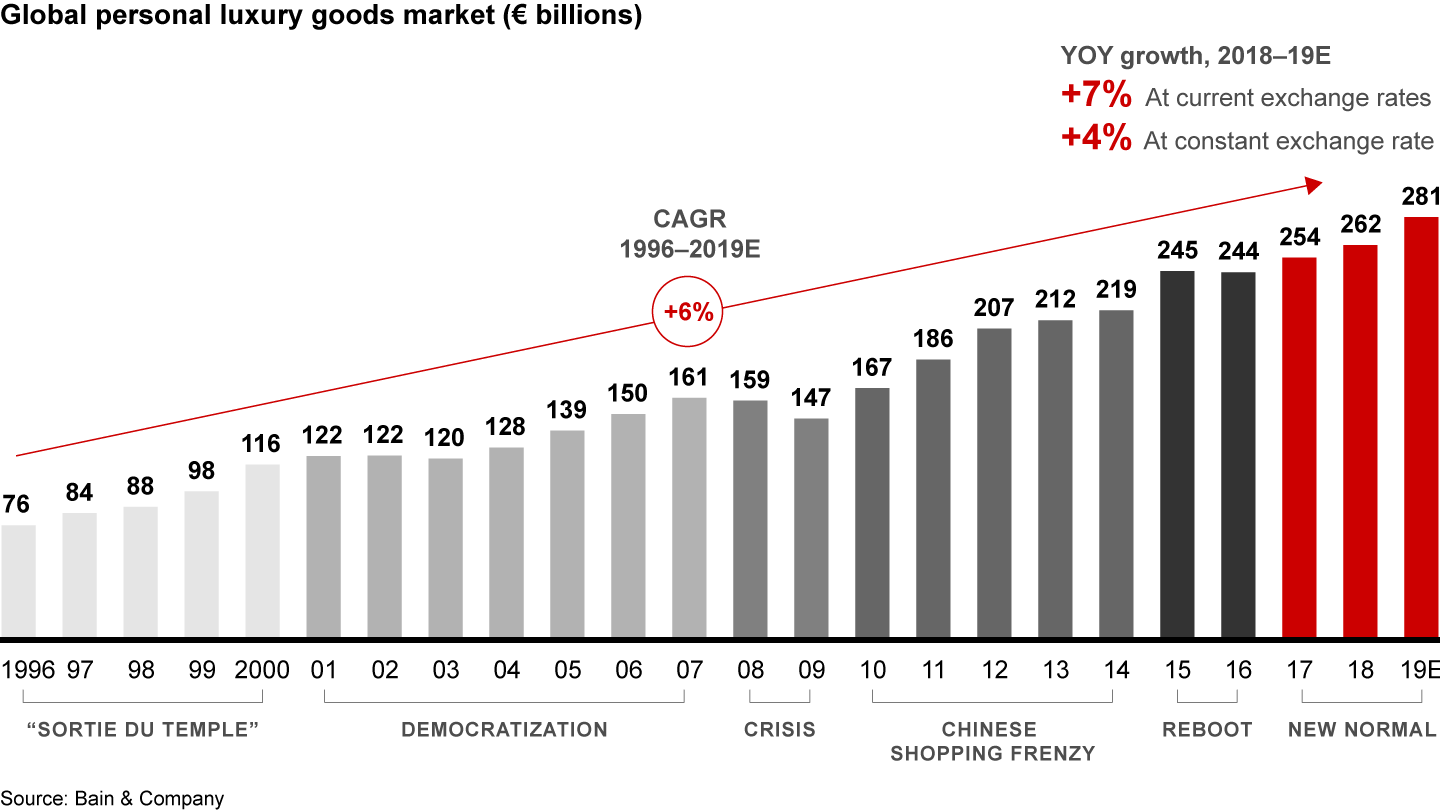
The market for personal luxury goods—the “core of the core” in luxury segments, and the focus of this analysis—reached a record high of €281 billion, representing 4% growth (7% at current exchange rates). The personal luxury goods market experienced sustained growth across the Asia-Pacific region (mainland China, Southeast Asia, Japan), but growth was more modest in Europe, the Americas and the rest of the world. Globally, growth was driven primarily by sustained local consumption in almost every region (up 11% globally at current exchange rates). In contrast, purchases among tourists grew more slowly, at 3% on average.
When it comes to categories within personal luxury goods, shoes and jewelry stood out as the outperformers, both growing by 9% at constant exchange rates in 2019, followed by leather goods (7% at constant exchange rates) and beauty (3% growth at constant exchange rates). Independent/insurgent beauty players stand out for their remarkable performances in recent years, thanks to their unique customer-centric approach: Between 2015 and 2019, the “indie” beauty segment grew at 25% per year on average, about six times faster than the overall luxury category. Apparel returned to modest growth (1% at constant exchange rates), due to a slight improvement in the ready-to-wear segment (for both men and women). Watches demonstrated a sluggish performance, declining by 2% at constant exchange rates.
Asia delivers the majority of market growth
Chinese customers accounted for 90% of the global market growth in 2019, reaching 35% of the value of luxury goods sold in the world. Mainland China has been a growth driver for the luxury industry in the recent past, and 2019 was no exception, with the market growing by 26% at constant exchange rates to reach €30 billion, sustained by governmental policies and a shift in Chinese consumer flows repatriating spending from abroad (including from Hong Kong).
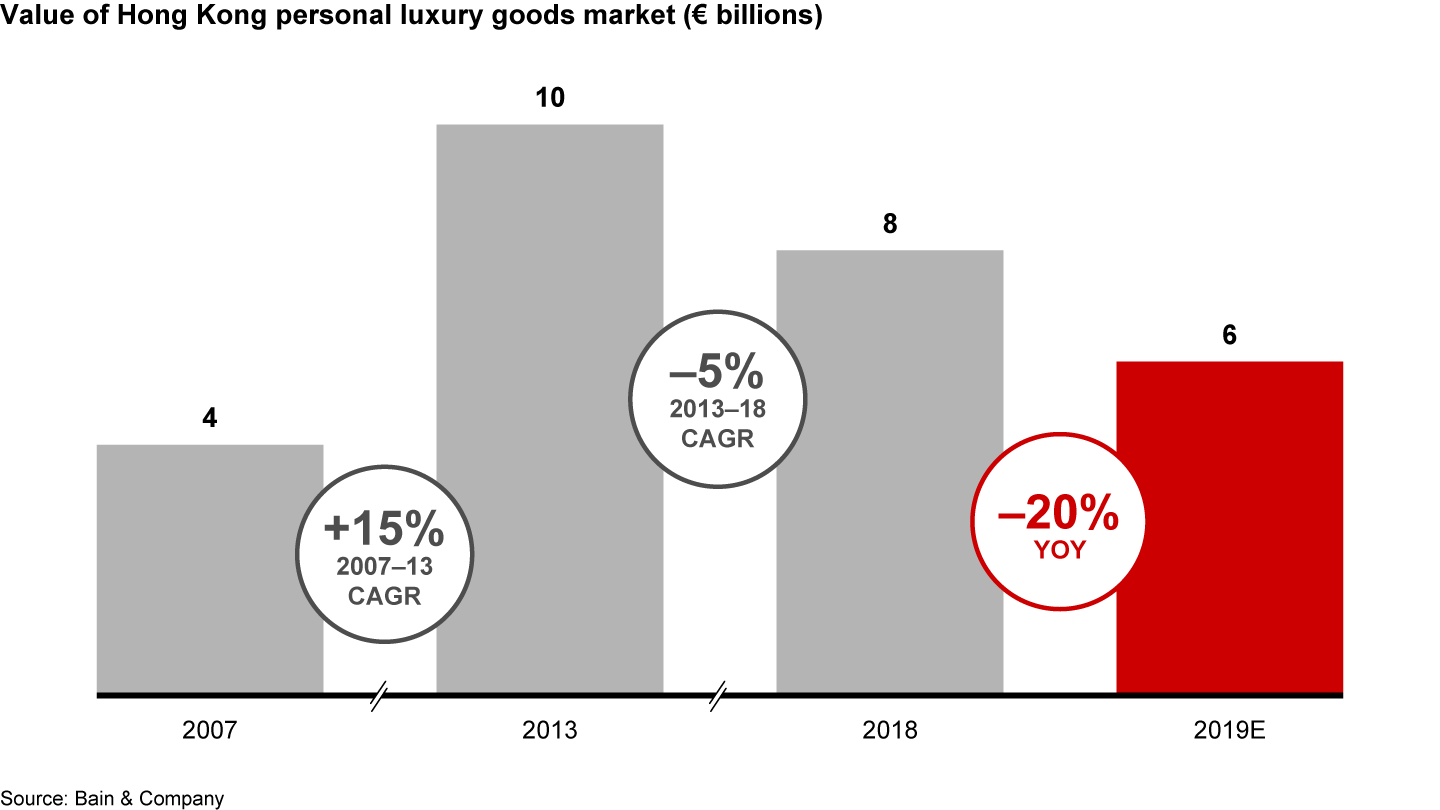
Luxury consumption in Hong Kong has been adversely affected by ongoing protests. The market fell by 20% in 2019 to €6 billion. The Hong Kong luxury landscape should reach a new equilibrium, with rules of the game deeply transformed and local customers becoming the main focus.
Meanwhile, Chinese buyers of luxury have turned their sights to other Asian destinations, boosting the performance of these markets. Japan grew by 4% at constant exchange rates to €24 billion, while the rest of Asia grew by 6% at constant exchange rates, reaching €42 billion.
In the Americas, US consumption was boosted by domestic confidence but tempered by reduced tourist flows. Growth has been sluggish across the region, but with an overall market size of €84 billion, it remains a core region for personal luxury goods.
Europe experienced slow growth of 1% at constant exchange rates with the market reaching €88 billion in size. Spain and the UK were among the top performers, driven respectively by tourism and weak currency. Germany was impacted by a slowing country dynamism and France by social unrest earlier in the year.
Other geographies, which account for €12 billion, experienced a 5% decrease at constant exchange rates. The Middle East, aside from a hesitant recovery in Dubai, was a subdued market affected by lower consumer confidence and geopolitical uncertainties.
Online continues to disrupt
The retail channel grew 11% in 2019 at current exchange rates (7% at constant exchange rates), with 85% of that increase coming from same-store sales growth. Wholesale channels grew only 4% at current exchange rates, due in part to the continued decline of department stores and a hesitant recovery among specialty stores.
The online, off-price and airport channels continued to outperform, growing respectively at 22%, 11% and 11% in current exchange rates.
Globally, online continued to gain share and now accounts for 12% of the market, with customers increasingly influenced and enabled by digital channels, including in their physical purchases. Globally, 75% of luxury transactions were influenced by the online channel, and 20% to 25% of purchases were digitally enabled.
Asia was confirmed as a growth engine for online luxury, ahead of Europe and the Americas. Accessories remained the top category sold online, ahead of apparel. The beauty and “hard luxury” (jewelry and watches) categories were on the rise. Among channels for online luxury sales, brands’ own websites gained share over e-tailers’ and retailers’ websites. The personal luxury goods market benefits from having a higher online penetration than most other luxury segments.
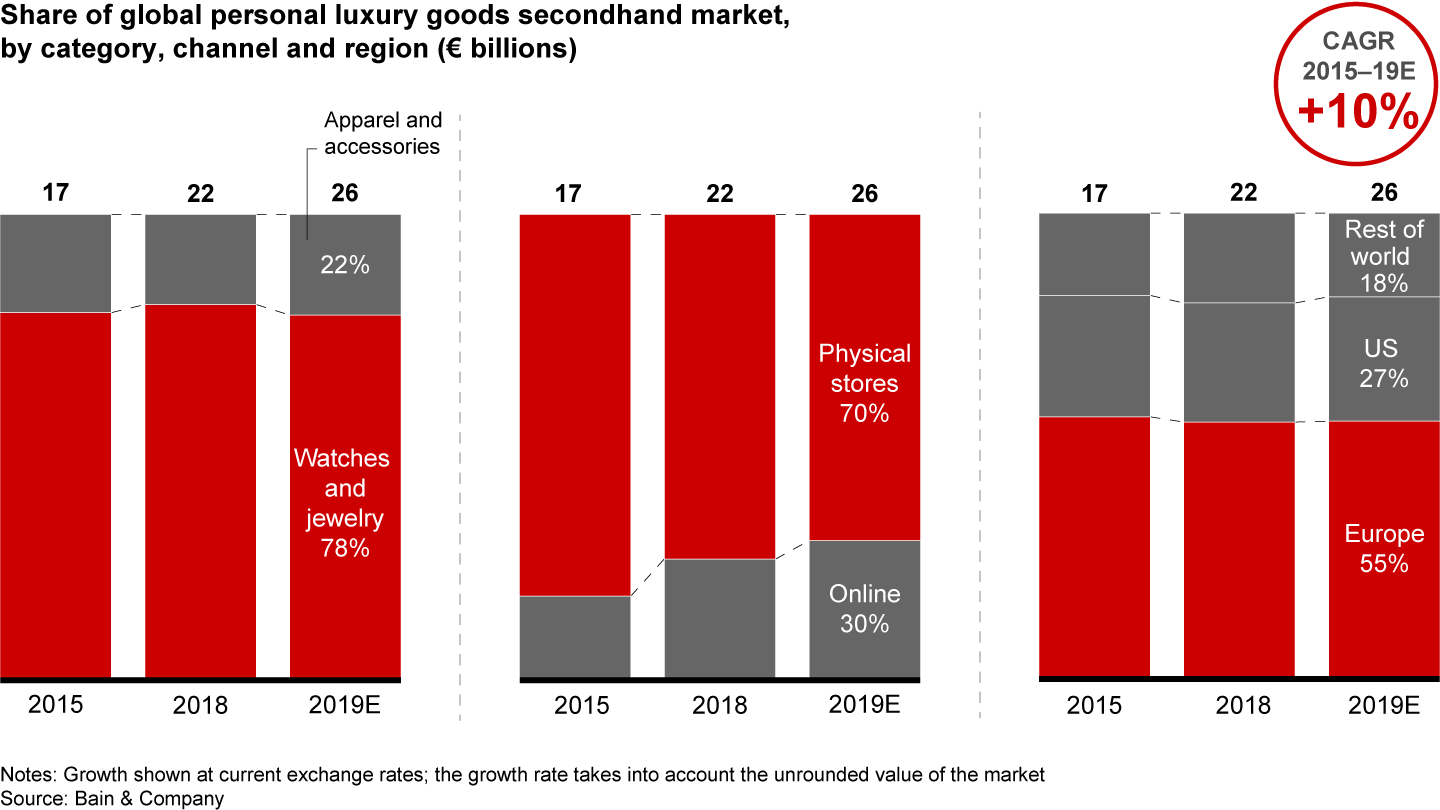
Meanwhile, the secondhand market for luxury goods surged to €26 billion, a result of strong growth in Europe and growth among specialized online platforms.
Tomorrow’s luxury buyers already know what they want
By 2025, the luxury customer base will expand to 450 million, up from 390 million in 2019, mainly thanks to the growing middle class, especially from Asia. This will further stimulate the luxury market at large, with a particular focus on entry-price segments, which in 2019 already represented a sizable part of the market (35% within leather goods and 30% in jewelry), as well as on the off-price channel, which reached €36 billion in 2019.
Millennial customers (also known as Generation Y, born between 1980 and 1995) have been steady buyers of luxury. They accounted for 35% of consumption in 2019 and by 2025 could make up 45% of the market. But it’s the even-younger Generation Z that is poised to reshape the industry: By 2035 they could make up 40% of luxury purchases, up from only 4% today. In 2019, Generations Y and Z contributed all of the market’s growth.
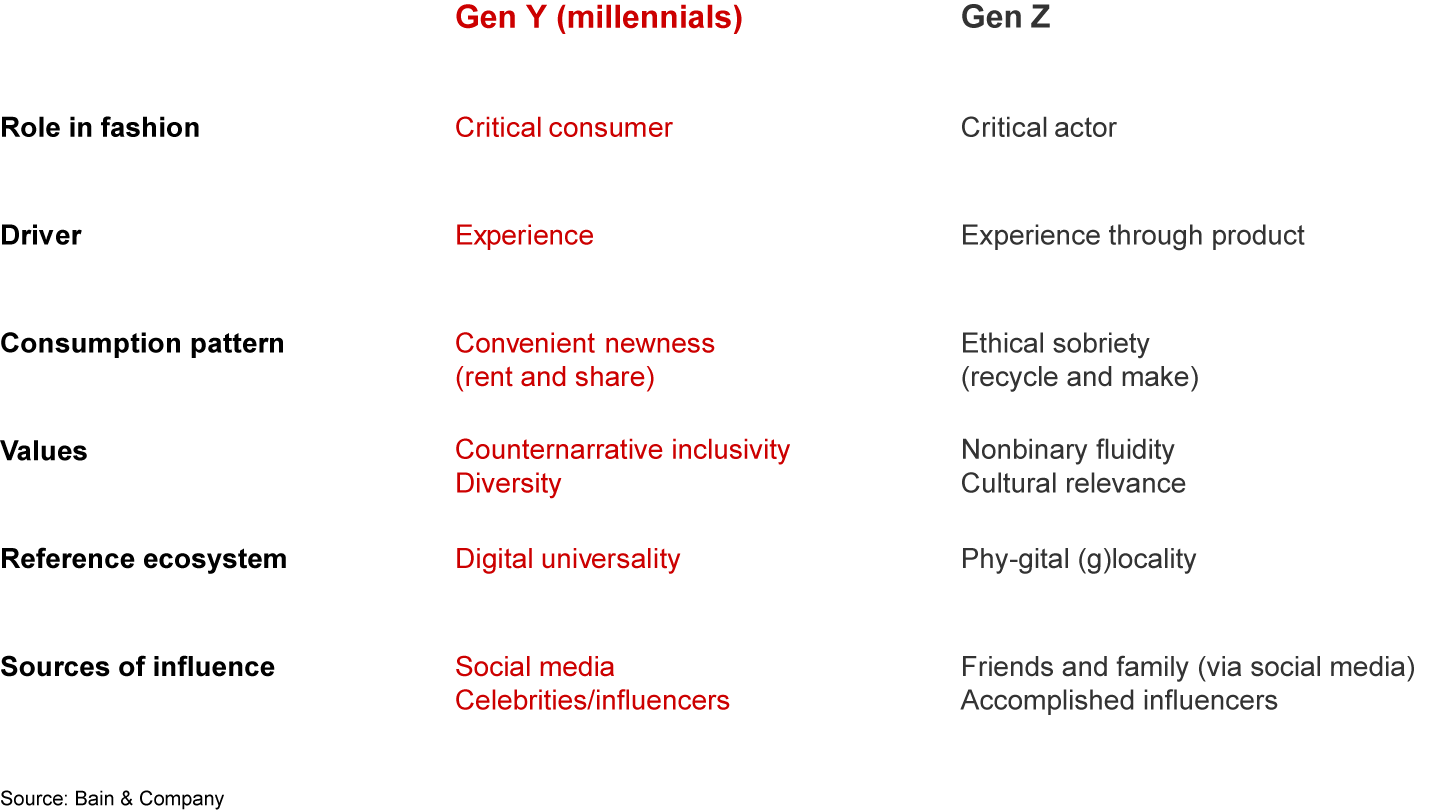
Gen Z customers are the new frontier of tomorrow’s luxury market; they display behaviors that distinguish them from other generations. They already represent a growing portion of luxury consumption in Asian markets. They see themselves as critical actors of the creativity and conversations with luxury brands; they are returning to products, stores and physical interactions with brands to truly connect and engage emotionally with them.
Social responsibility remains top of mind for luxury customers and encompasses more than just environmental impact: Eighty percent of luxury customers say they prefer brands that are socially responsible, particularly among millennials. Further, 60% of luxury customers think luxury brands should be more engaged than other industries.
Based on our analysis, we underline eight themes that will define future luxury customers:
- Hic et nunc (here and now): Looking ahead, we expect market fundamentals to remain favorable for the personal luxury goods segment, resulting in a continued growth trajectory of 3% to 5% per year through 2025, for a total market value of €335 billion to €375 billion. However, sociopolitical issues, commercial policies and potential soft recessions could make for a bumpy road in the short term.
- Chinese (increasingly): By 2025, Chinese consumers will account for 46% of the global market (up from 35% in 2019). Chinese customers already delivered 90% of the growth in 2019, and increasingly shopped “at home.”
- Young(er): Gen Y and Gen Z will dominate the luxury market, with disruptive consumer trends arising from these younger generations.
- Phy-gital: A growing wave of digitalization continues to disrupt physical distribution networks. The online channel is still booming, while we anticipate that the global network of physical stores could peak in 2020.
- Diverse (in spending power and purchasing drivers): By 2025, the global luxury customer base will grow from two sources:
- An increasing number of ultrahigh-net-worth individuals, primarily based in the Americas and Asia, who look for “what money cannot buy”;
- A new base of emerging luxury customers, primarily stemming from the growing Asian middle-class, who look for “entry-to-luxury” products that are not just “mini” versions of core luxury products, but innovative products flourishing with stylistic content in their own right.
- Open: Customers will be highly receptive to new value propositions and business models that challenge the rules of the game, as already testified by the phenomenal success of “indie brands” in beauty, or the growth of the secondhand market, for instance.
- Responsible: Social commitment will be a critical customer priority. Corporate and social responsibility will evolve from being a “must-have” to being a lever to truly transform the business.
- Emotional: Beyond products, experiences and ideas, feelings and emotions will become an important ingredient to deliver value to postaspirational customers: How do luxury brands truly make their customers feel?
The luxury customer is present and increasingly active, dramatically rewriting the rule book of the industry. Clients are morphing from a mere audience to luxury brands, to critical center-stage actors who want to interact, converse, share, observe and judge brands. Brands will need to connect with customers in an increasingly personal way and pivot to a new model to respond to customers’ evolving needs when it comes to buying, consuming or communicating. The products, experiences and ideas that they deliver will need to flow together to appeal to the emotions of younger customers, who are diverse, global and opinionated. The pace of innovation is already rapid, but new models of consumption, evolving channels and changing customer desires will spur the need for even faster adaptation.

1. Luxury spending trends in 2019
- The global luxury market tracked by Bain & Company comprises nine segments: luxury cars, personal luxury goods, luxury hospitality, fine wines and spirits, gourmet food and fine dining, high-end furniture and housewares, fine art, private jets and yachts, and luxury cruises. Overall, the luxury market grew by 4% in 2019, to an estimated €1.3 trillion, with most segments (except fine arts) growing in real terms.
- Luxury cars, luxury hospitality and personal luxury goods together accounted for nearly 82% of the total market.
- Sales of luxury cars continued to dominate the market, growing 7% to €550 billion (an accelerated growth rate vs. 2018). Within the luxury car market, the aspirational segment continued to outperform.
- Luxury hospitality experienced positive growth in real terms, albeit slower than in 2018, gaining only 2%. Wellness proves to be paramount for experiential tourism. Sales of luxury cruises increased by 9%—the highest growth rate of all luxury segments. The “expedition” segment in particular continued to boom in 2019.
- Sales of high-end food grew 6% from last year. The experiential side gained traction over pure dining.
- Fine wines and spirits grew 5% on average. Spirits confirmed their vigorous trend from the past few years, with gin outperforming. Wines grew at a single-digit pace, with exceptional performance for specific categories (e.g., high-end prosecco) in selected geographies.
- Yacht sales experienced a recovery, with increased focus on sustainable options, yet underwent a polarization in size. New and improved models fueled a rebirth of the private jet market, but secondhand sales continued to accelerate.
- The fine art market shrank substantially (–18%) given scarcity of supply, both in public auctions and private sales; online sales accelerated, pushed by a spurt of hybrid models.
- High-end furniture and housewares experienced positive growth, particularly in the living room, bedroom and lighting categories. Online sales outpaced physical sales.
- Personal luxury goods grew in line with the overall market in 2019, climbing 4% to reach a record high of €281 billion.
Figure 1
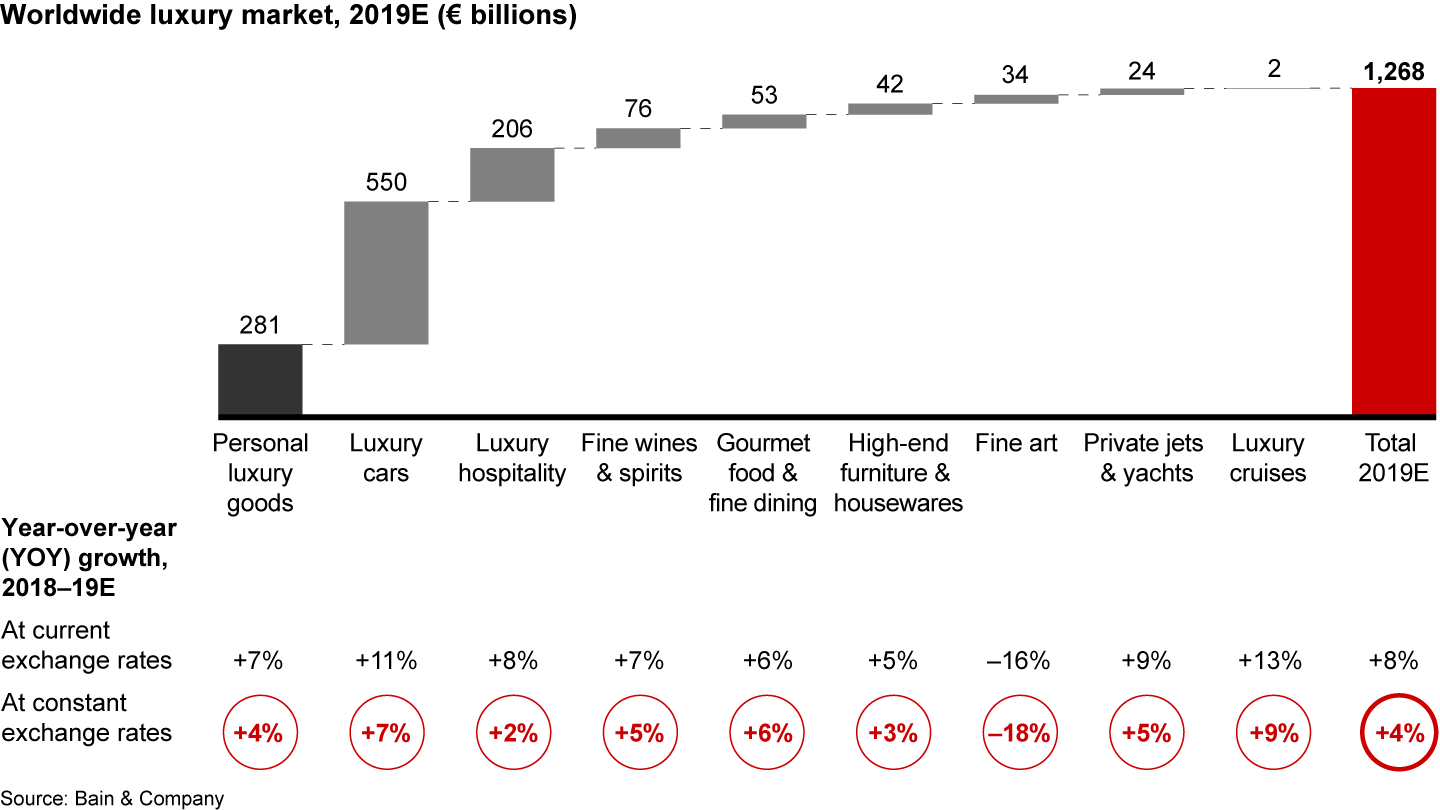

Figure 2
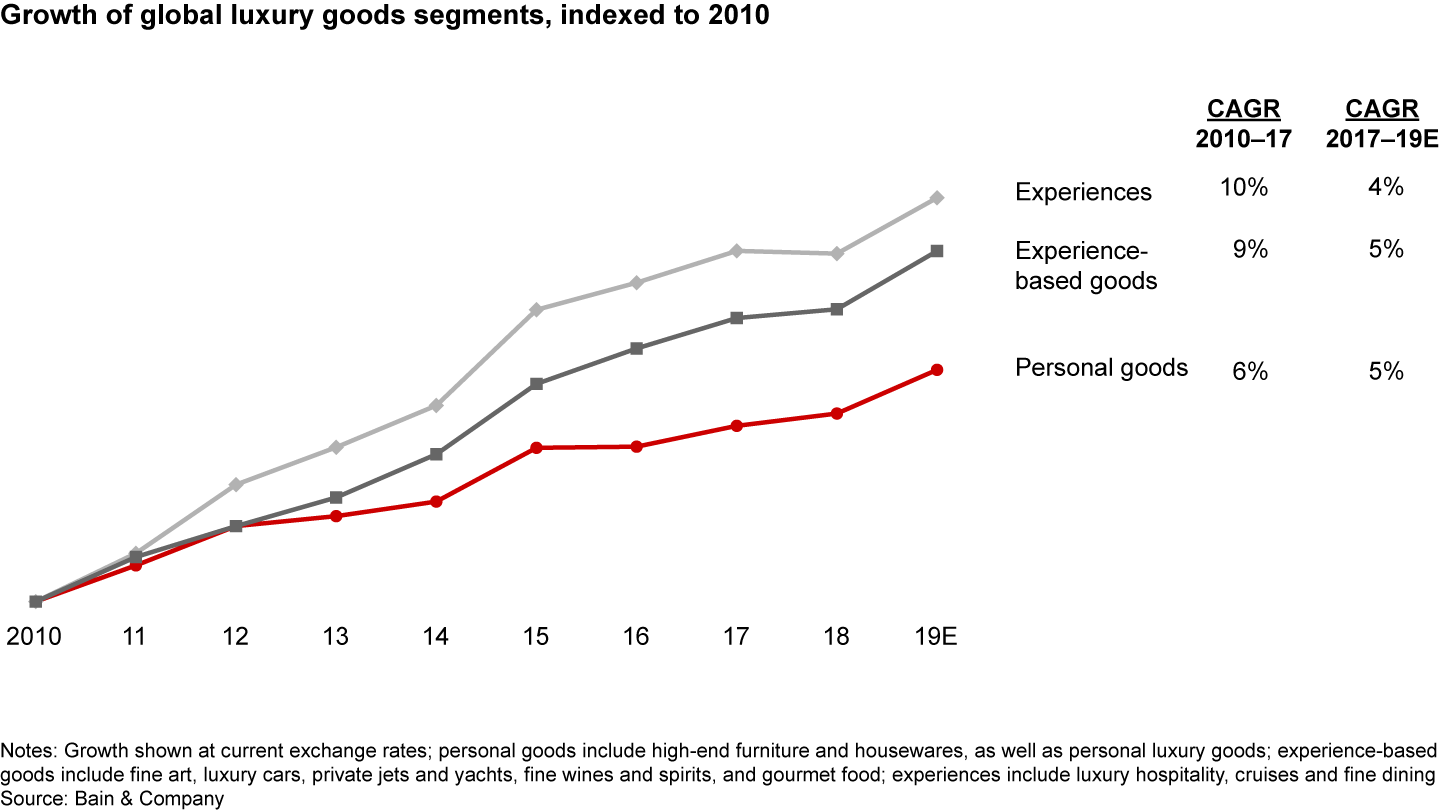

Figure 3


2. Regional highlights
- Worldwide, the personal luxury goods market experienced sustained growth across Asia (mainland China, Japan, rest of Asia), but Europe and the Americas, the top regions for sales, experienced lackluster growth.
- Chinese customers accounted for 90% of the global market growth in 2019, reaching 35% of the value of personal luxury goods sold in the world. Mainland China has been a growth driver for the luxury industry in the recent past, and 2019 was no exception, with the market growing by 26% at constant exchange rates to reach €30 billion, sustained by governmental policies and a shift in Chinese consumer flows repatriating spending from abroad (including from Hong Kong).
- Luxury consumption in Hong Kong has been adversely impacted by ongoing protests. The market fell by 20% in 2019 to €6 billion (down from €10 billion in 2013), driven by a joint reduction in store traffic and tourist arrivals. The Hong Kong luxury landscape should reach a new equilibrium, with rules of the game deeply transformed and local customers becoming the main focus. The network of physical stores (including about 1,000 monobrand stores) will most likely need to be redimensioned.
- Meanwhile, Chinese buyers of luxury have turned their sights to other Asian destinations, boosting the performance of these markets. Japan grew by 4% at constant exchange rates to €24 billion, while the rest of Asia grew by 6% at constant exchange rates, reaching €42 billion. In Japan, the market was propelled by strong growth in Chinese tourist spending as of the second half of 2019, but local customers also anticipated purchases before the VAT increase in the third quarter. In the rest of Asia, South Korea was particularly dynamic, driven by robust local consumption, especially by young customers. Singapore, Thailand and Taiwan experienced brisk growth too.
- With an overall market size of €84 billion, the Americas remain a core region for personal luxury goods, but growth has been sluggish across the region (0% at constant exchange rates). In the US, a strong economy drove up disposable income and consumer confidence, which fueled local consumption. But a strong US dollar, combined with the US-China trade war, negatively impacted tourism (especially on the US West Coast). Canada was mostly affected by a contraction in Chinese tourist affluence. South America proved generally sluggish, with Mexico and Brazil negatively impacted by socioeconomic tensions.
- Europe experienced slow growth of 1% at constant exchange rates, with the market reaching €88 billion in size. Performance varied by market: Spain grew strongly due to tourism; the UK was one of the top performing markets due to a weak currency; Russia fared well thanks to local high spenders. Conversely, Germany was impacted by a slowing economy and France by social unrest earlier in the year.
- Other geographies, which account for €12 billion, experienced a 5% decrease at constant exchange rates. The Middle East, aside from a hesitant recovery in Dubai, was a subdued market affected by lower consumer confidence and geopolitical uncertainties.
Figure 4
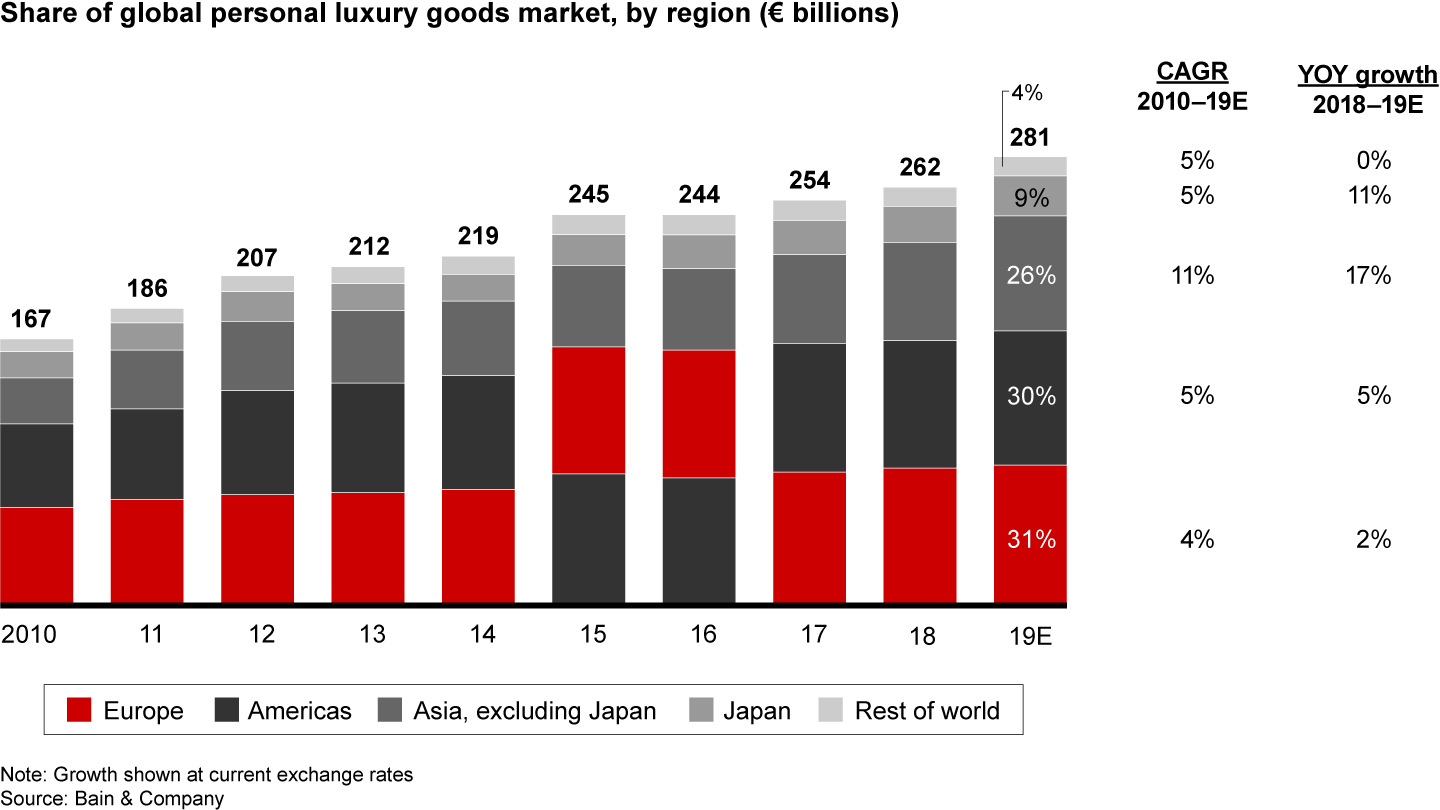

Figure 5
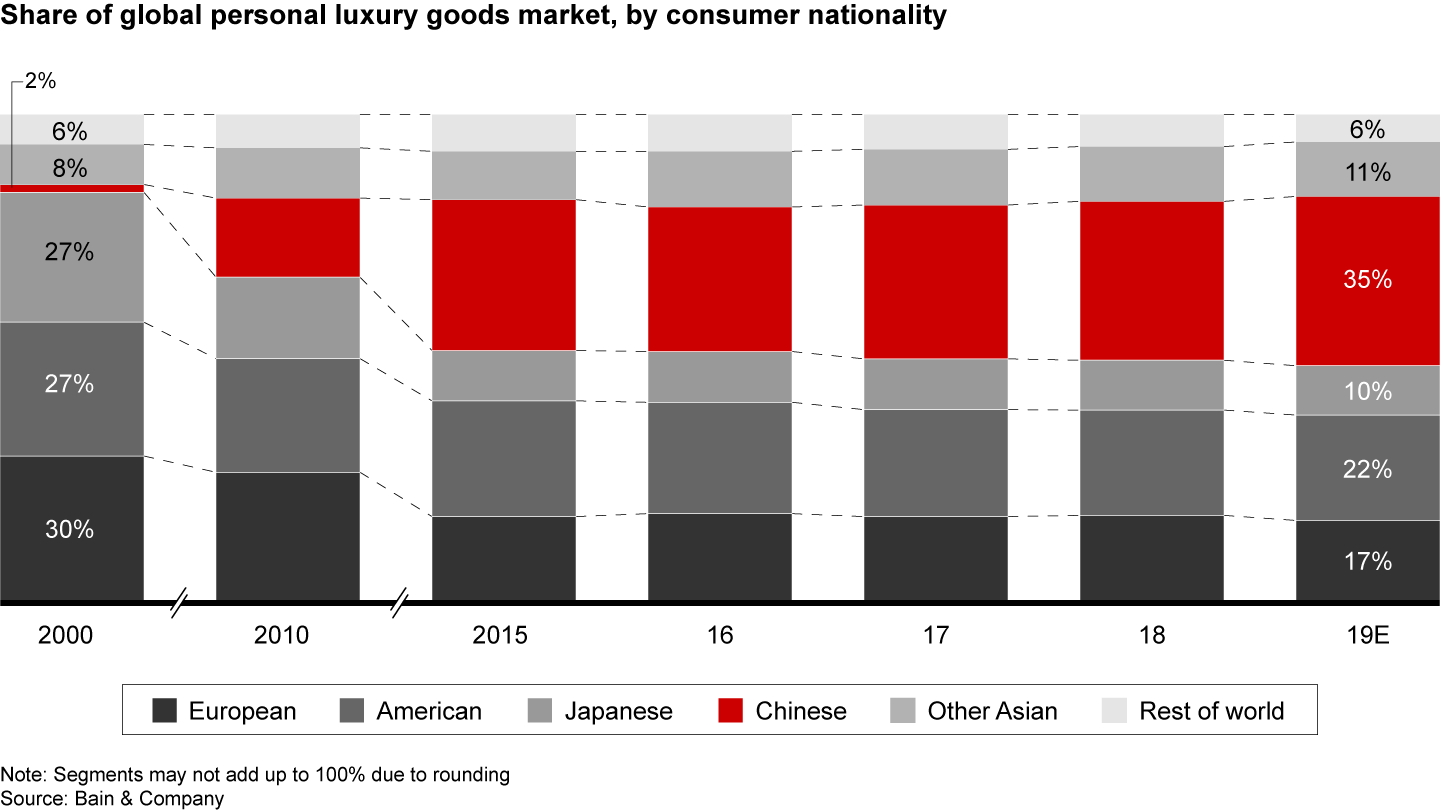

Figure 6
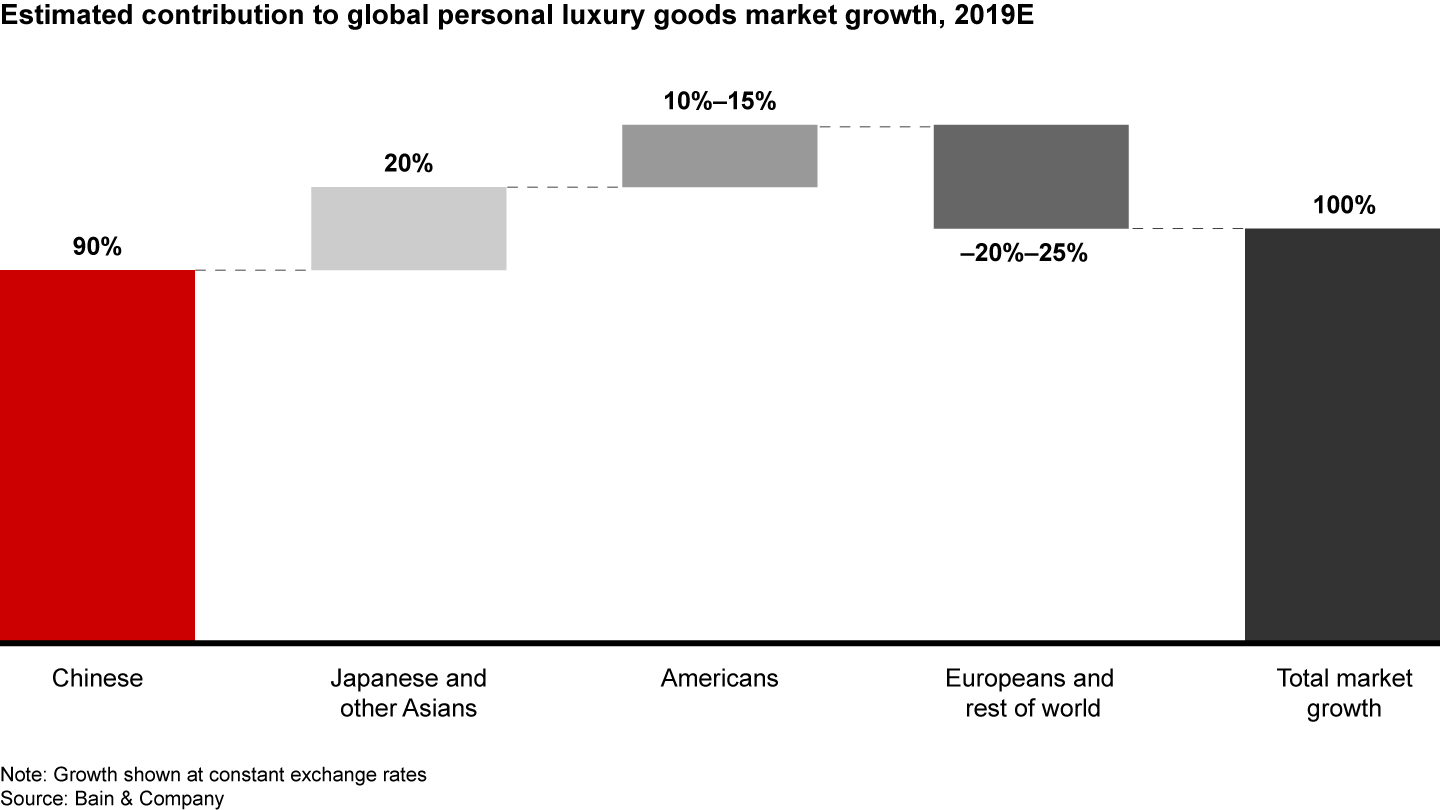

Figure 7


3. Distribution trends
- Wholesale remained the largest channel for luxury goods, accounting for 61% of all sales. Yet the retail channel continued growing steadily—rising 7% in 2019—as companies increasingly seek to control the experience they deliver to customers. Of that gain, 1% came from new-store openings, and the remaining 6% came from same-store sales growth. In wholesale, specialty stores showed slight signs of recovery. In department stores, US players suffered, while Europeans performed better due to higher flexibility (i.e., concession models)
- Off-price stores and airport stores continued to log strong growth, both gaining 11%. The off-price channel saw strong growth, particularly in Asia, but the Americas remained the top region for this channel, which skews to the apparel and accessories categories.
- Online remained the fastest-growing channel, increasing by 22% and reaching 12% penetration of luxury sales worldwide. Globally, the online channel influenced 75% of luxury transactions, and 20% to 25% of purchases were digitally enabled. The Americas contributed 43% of global online luxury sales—€33 billion in total—but growth was particularly strong in Asia and Europe. Accessories remained the largest and fastest-growing category sold online, ahead of apparel, while beauty and hard luxury (jewelry and watches) were both on the rise. Brands’ own websites gained ground on e-tailers’ and retailers’ websites.
- The secondhand market for luxury goods rose to €26 billion in 2019, propelled by strong growth in Europe, as well as growth among specialized online platforms. The US and Europe are key geographies, but Asia still lags behind, mainly due to stronger consumer skepticism. Watches and jewelry are the primary categories in the secondhand market, accounting for over 75% of all purchases, but fashion and accessories continued to gain traction. The secondhand channel is becoming a new touchpoint to acquire younger customers, creating an opportunity to educate them and draw them into the luxury ecosystem. Luxury players are becoming increasingly interested in this market and are starting to integrate it into their strategies, in part to address emerging sustainability concerns.
Figure 8
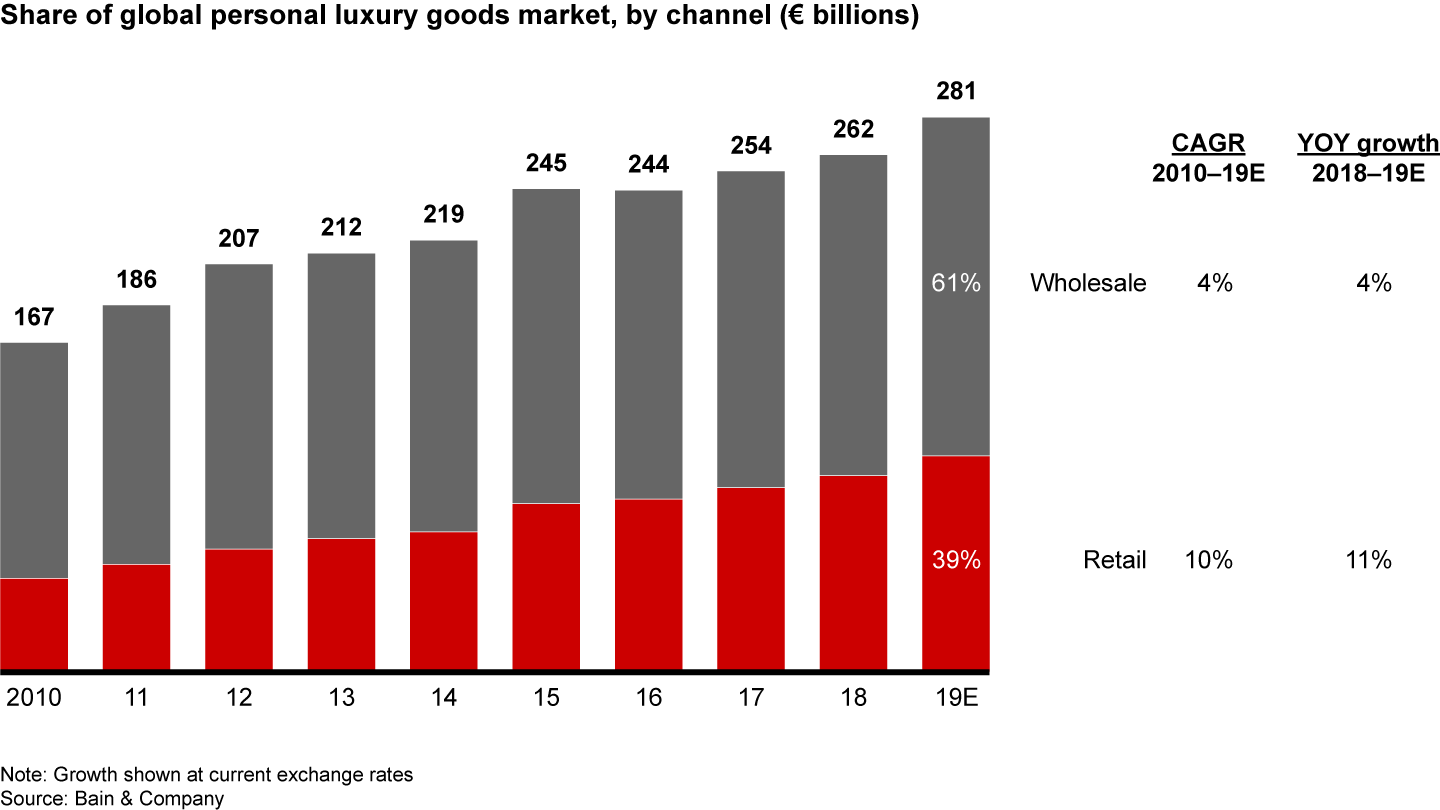

Figure 9
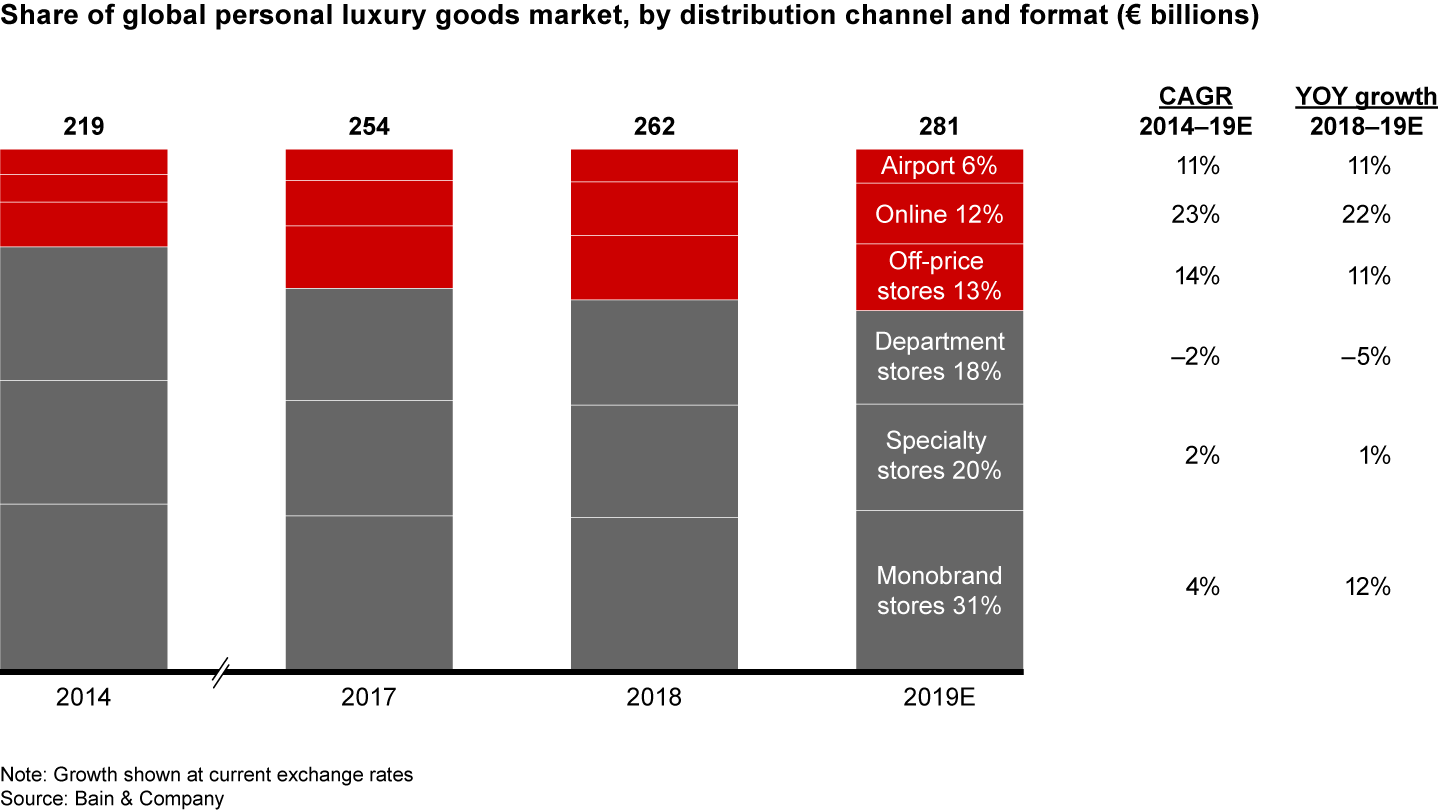

Figure 10
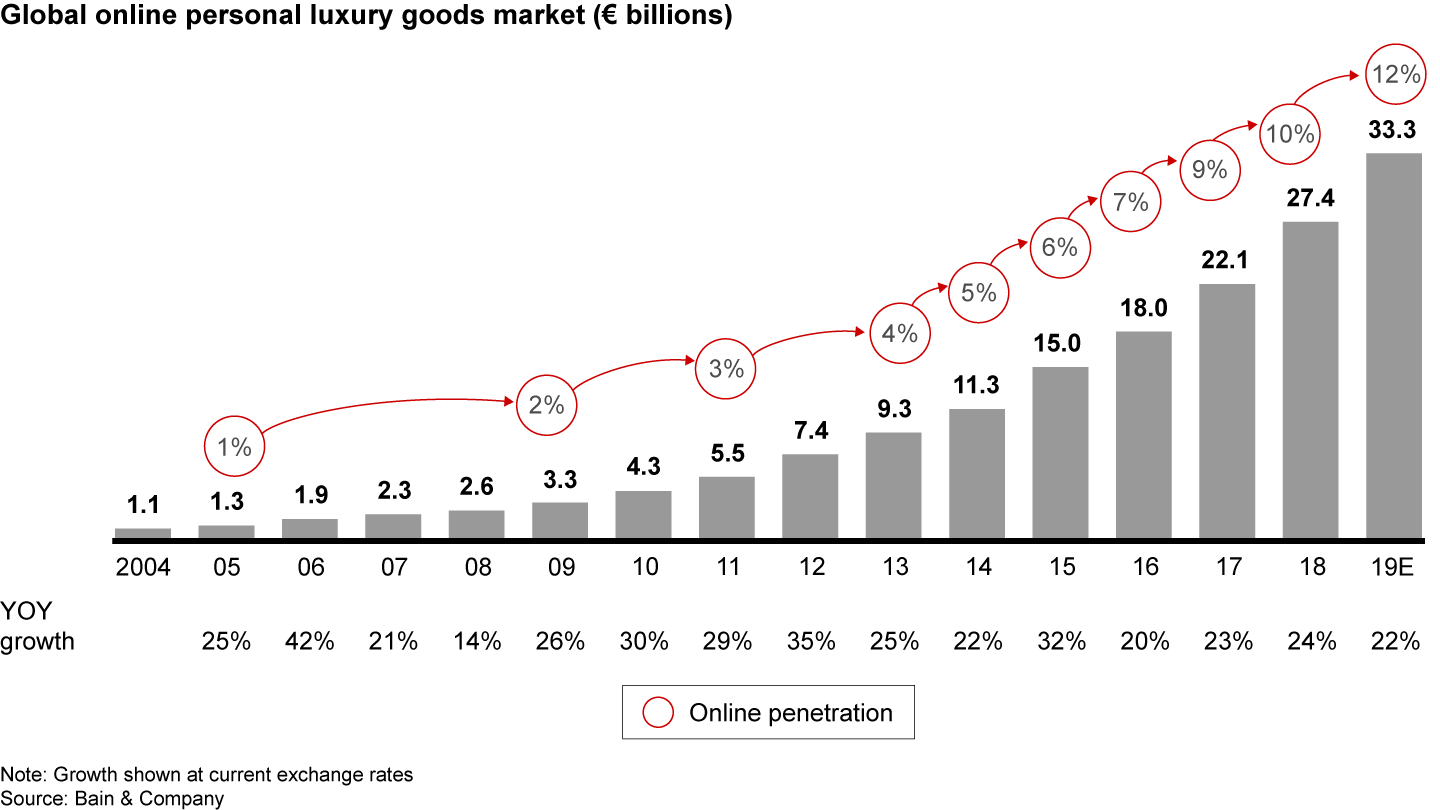

Figure 11
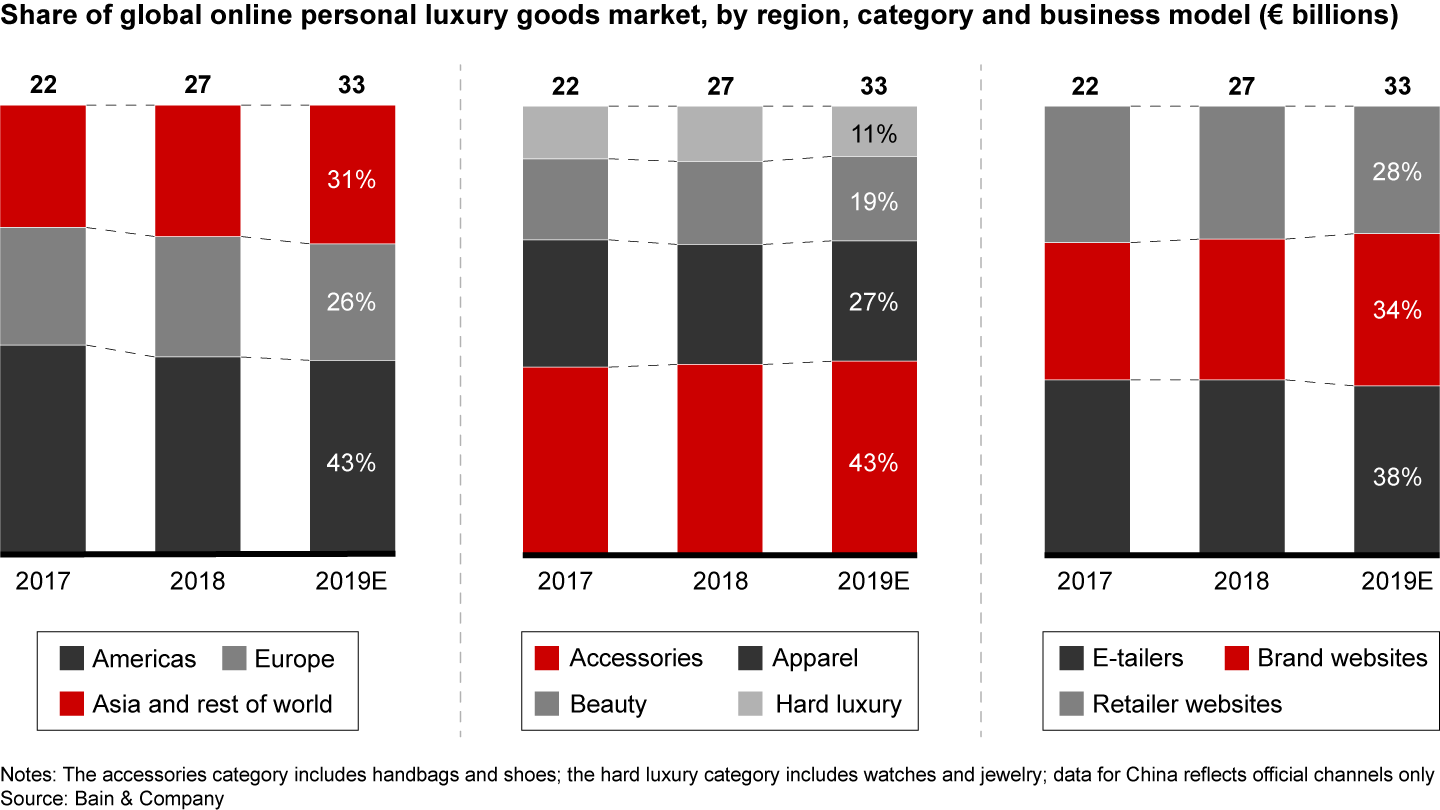

Figure 12
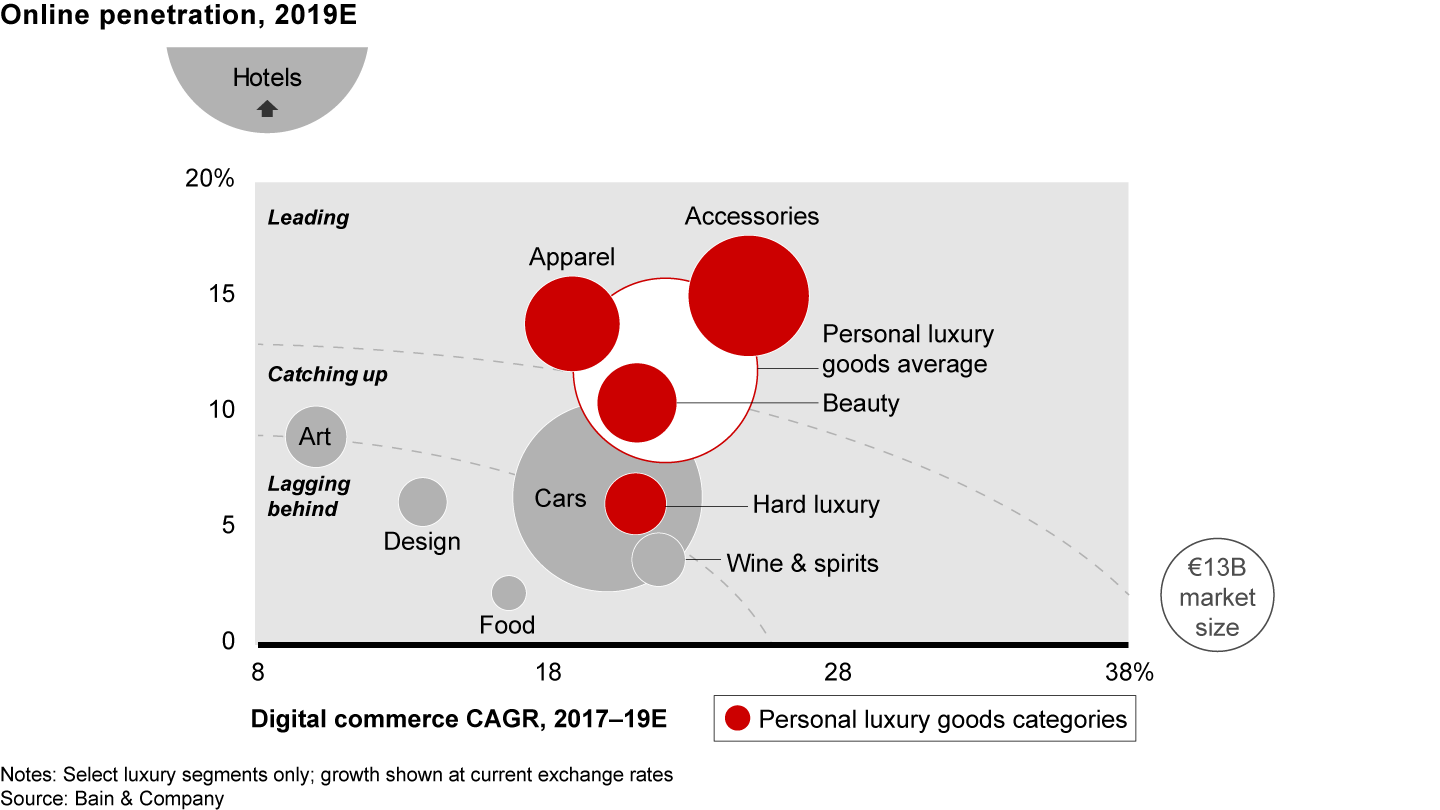

Figure 13
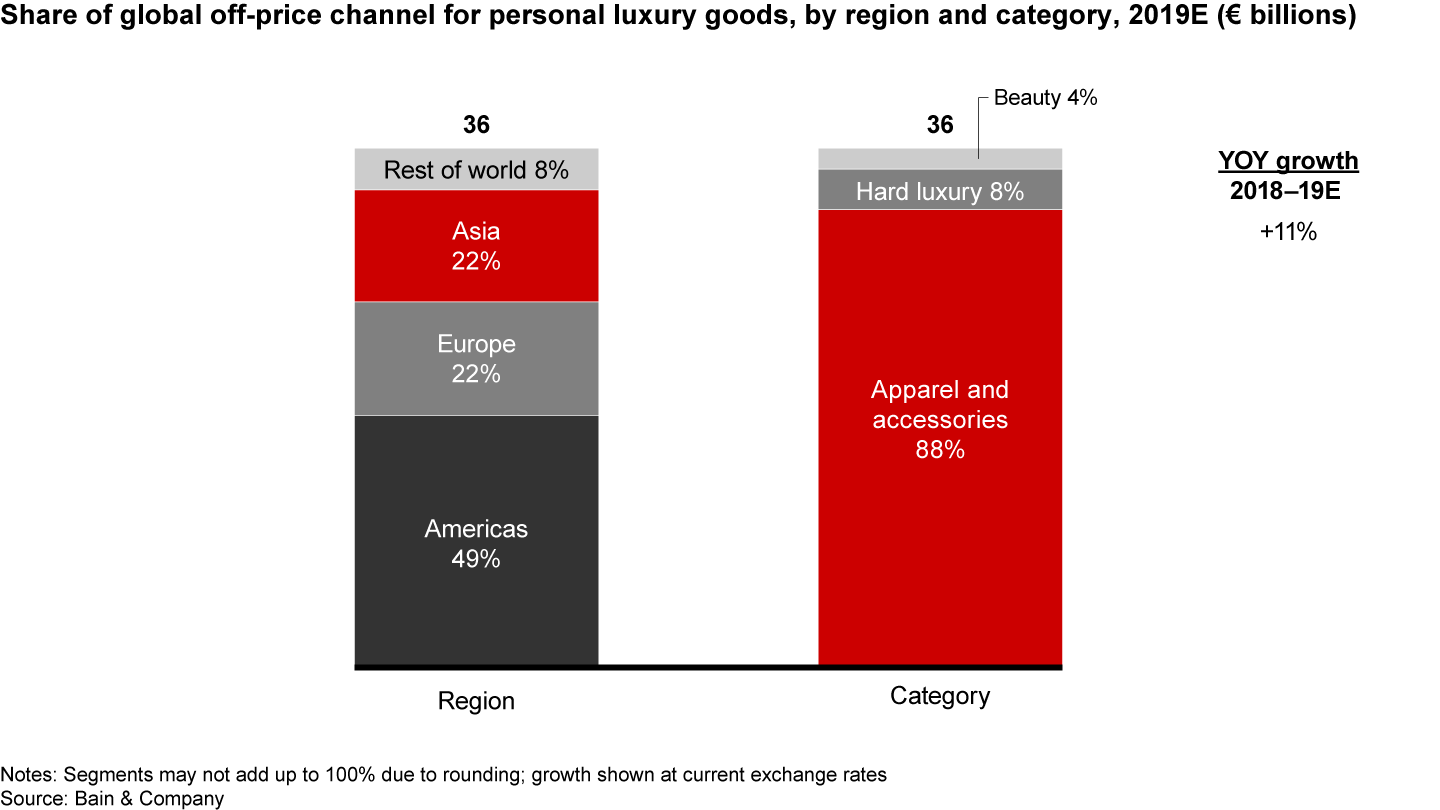

Figure 14


4. Individual category performance
- Accessories remained the largest and fastest-growing category, representing over one-third of the total personal luxury goods market and gaining 10% at current exchange rates in 2019.
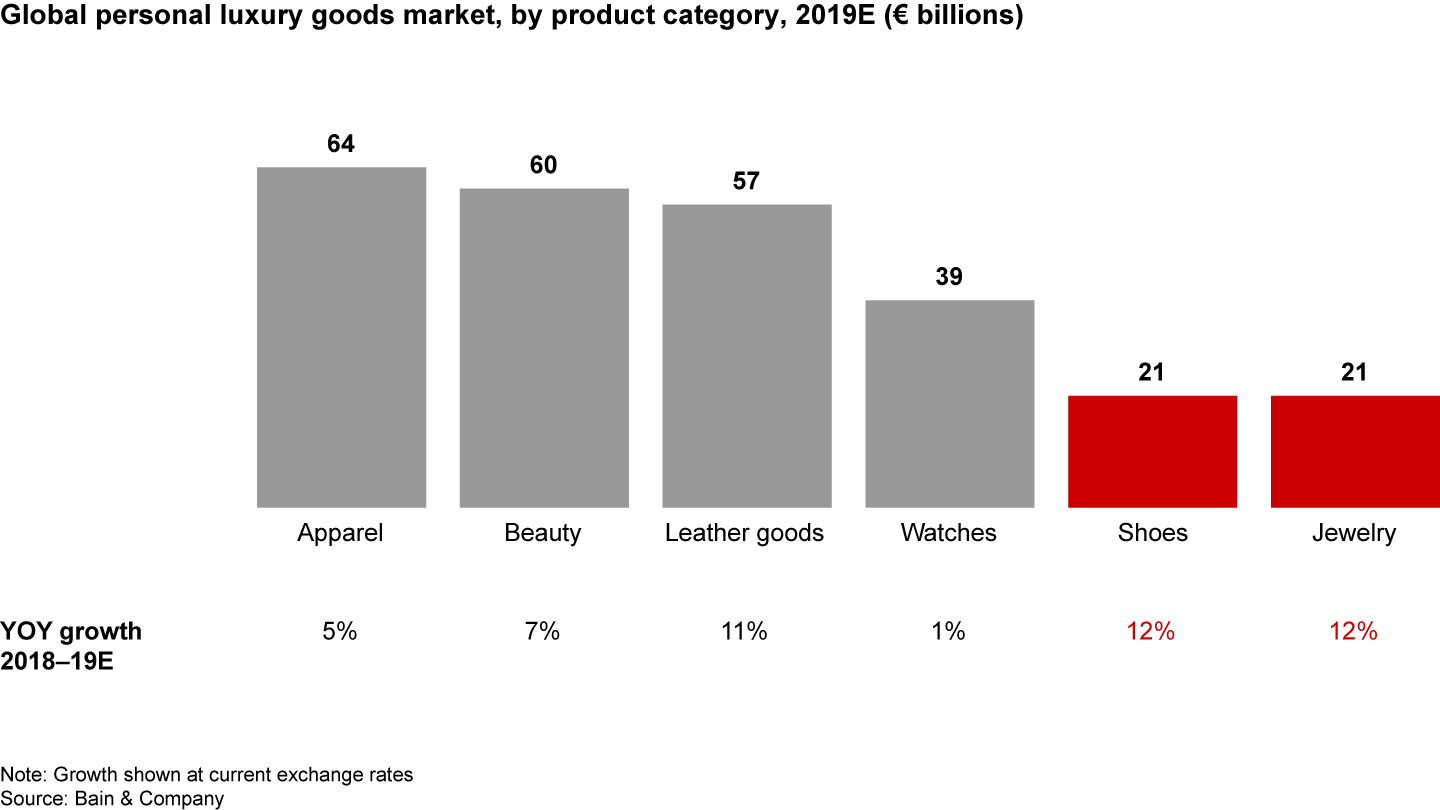
- Apparel, beauty and leather goods continued to make up the bulk of global luxury purchases, amounting to €64 billion, €60 billion and €57 billion, respectively.
- Shoes outpaced the overall market at 12% growth, surfing the ongoing casualization trend (i.e., sneakers), especially in Asia.
- Jewelry also grew at 12%, with sustained performance in high-end jewelry, especially in Japan and mainland China. Men’s lines also grew strongly, but remain marginal in aggregate.
- Leather goods grew at 11%, driven by strong performance in handbags, which skew toward entry-price items and small shapes.
- Beauty grew at 7% on average. We observed a slight improvement in the performance of fragrances, but the category remains driven by cosmetics: Makeup maintained a positive trajectory, while skincare boomed. Innovations are blurring the lines in the beauty market through ingredient democratization.
- Apparel returned to modest growth (5% at current exchange rates), due to a slight improvement in the ready-to-wear segment (for both men and women).
- Watches demonstrated a sluggish performance, with 1% growth at current exchange rates (a decline by 2% at constant exchange rates), primarily due to the sociopolitical situation in Hong Kong, which wasn’t offset by growth in other Asian markets.
Figure 15
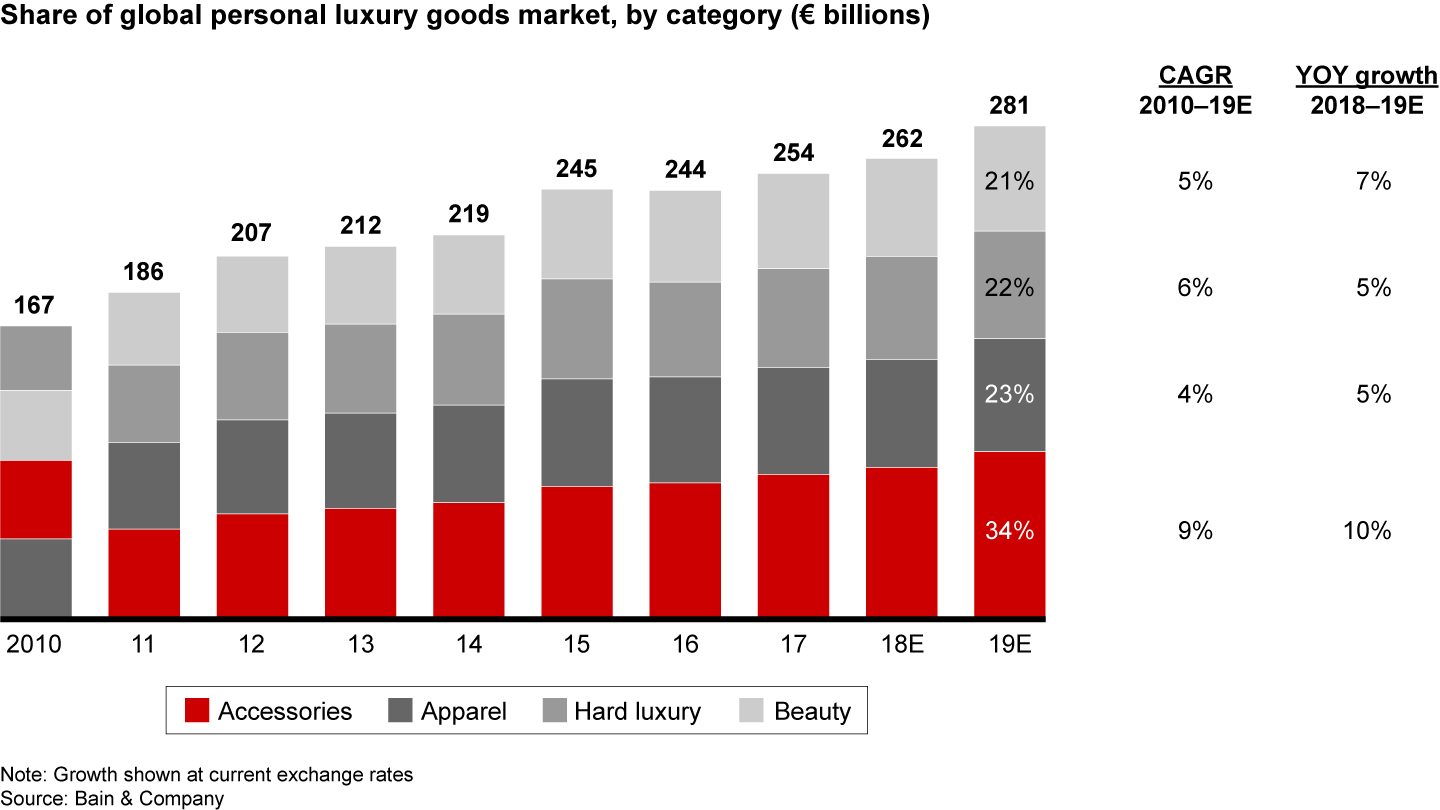

Figure 16


5. Outlook for the future and customer shifts
- Looking ahead, we expect market fundamentals to remain favorable for the personal luxury goods segment, resulting in a continued growth trajectory of 3% to 5% per year through 2025, for a total market value of €335 billion to €375 billion. However, sociopolitical issues, commercial policies and potential soft recessions could make for a bumpy road in the short term.
- Younger generations will be the primary engine of growth in the coming years. Millennial customers (also known as Generation Y, born between 1980 and 1995) have been steady buyers of luxury. They accounted for 35% of consumption in 2019 and by 2025 could make up 45% of the market. But it’s the even younger Generation Z that is poised to reshape the industry: By 2035 they could make up 40% of luxury purchases, up from only 4% today. In 2019, Generations Y and Z contributed all of the market’s growth. Combined, they will represent approximately 55% of the 2025 luxury market and will contribute 130% of market growth between now and then, offsetting a decline in spending by older consumers.
- The nature of luxury customers is evolving fast, and Gen Z customers are the new frontier of tomorrow’s luxury market. They already represent a growing portion of luxury consumption in Asian markets and display behaviors that distinguish them from other generations, even the millennial generation. They see themselves as critical actors of the creativity and conversations with luxury brands; they are returning to products, stores and physical interactions with brands to truly connect and engage emotionally with them. They seek an ongoing conversation with brands that will force them to innovate both their value propositions and business models.
Figure 17
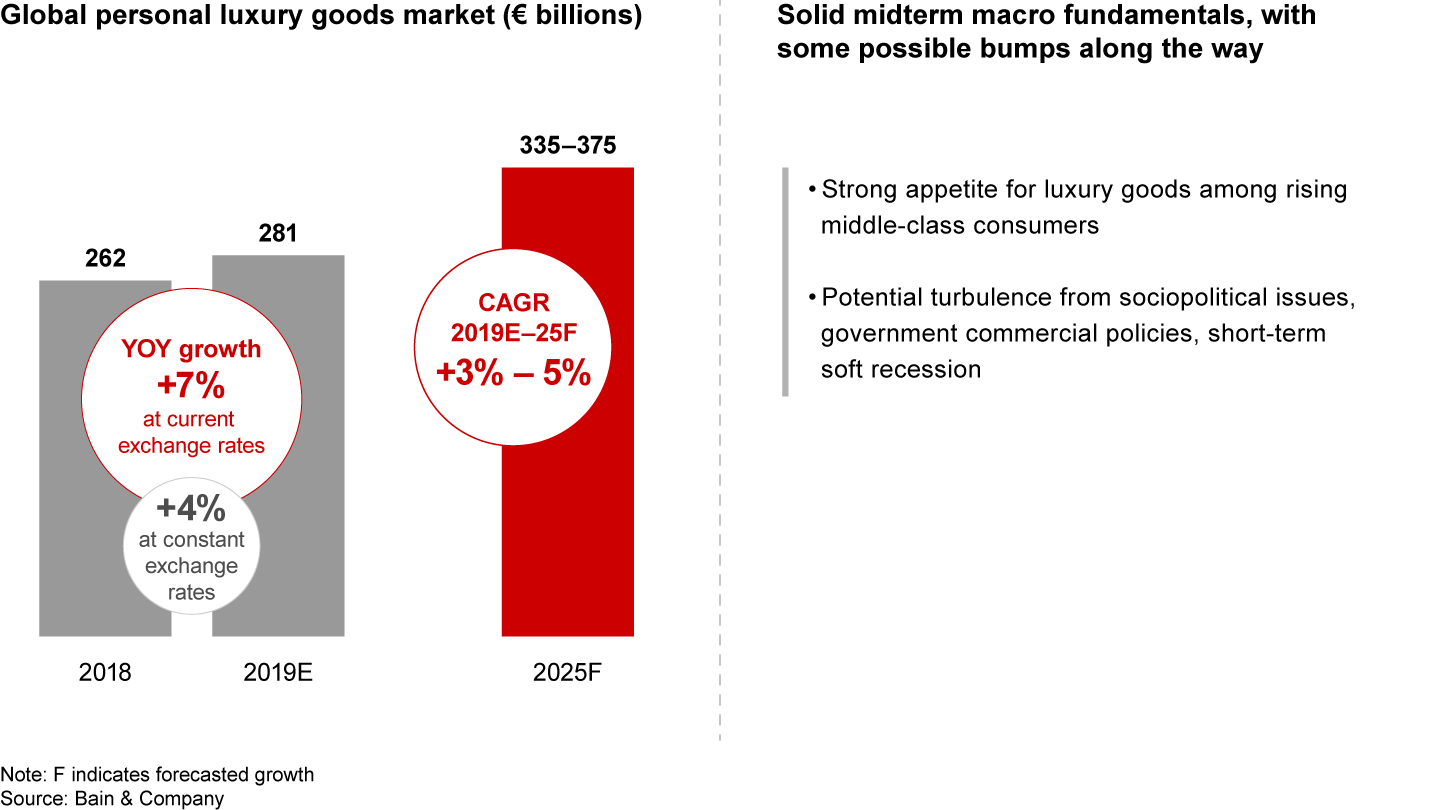

Figure 18
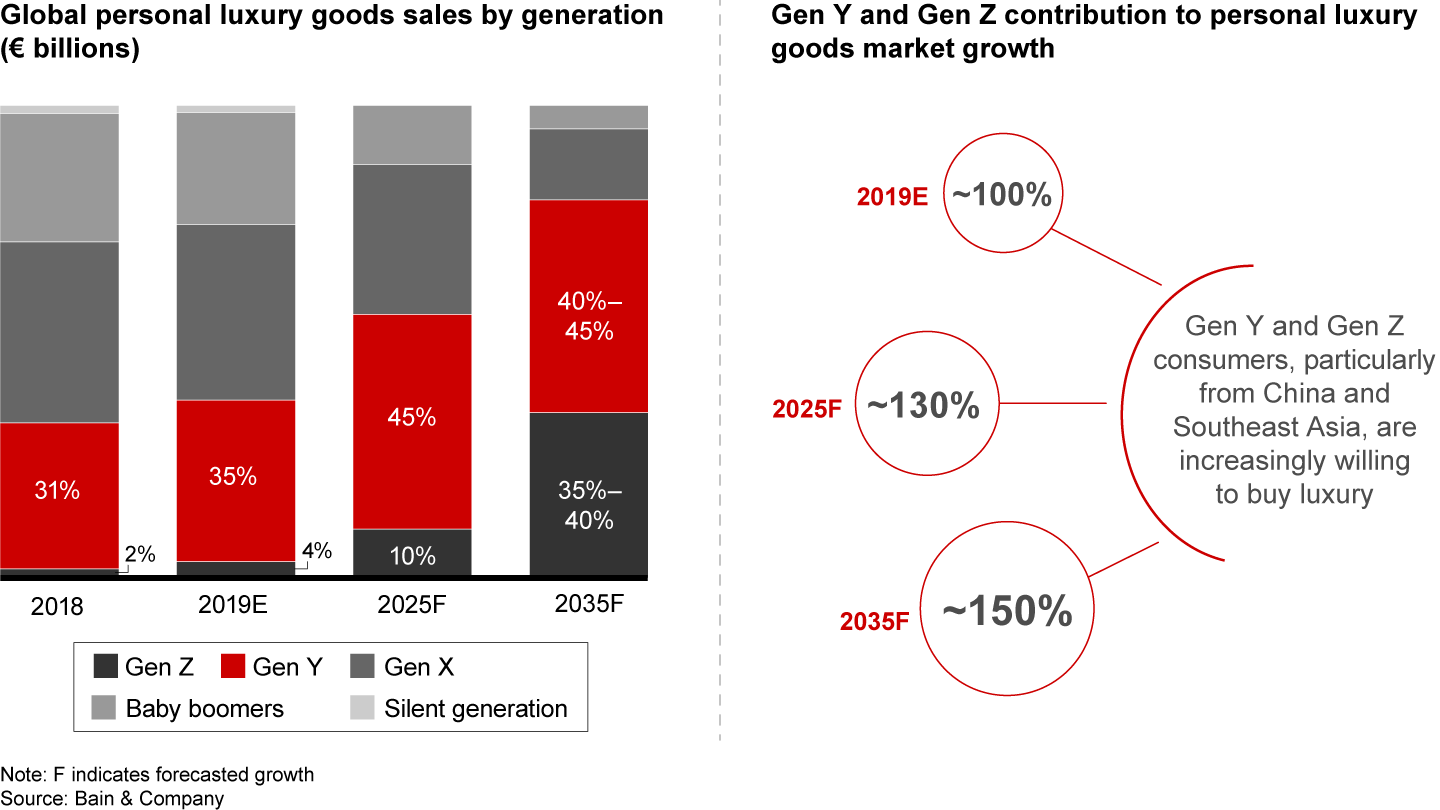

Figure 19

About the Bain Luxury Goods Worldwide Market Study
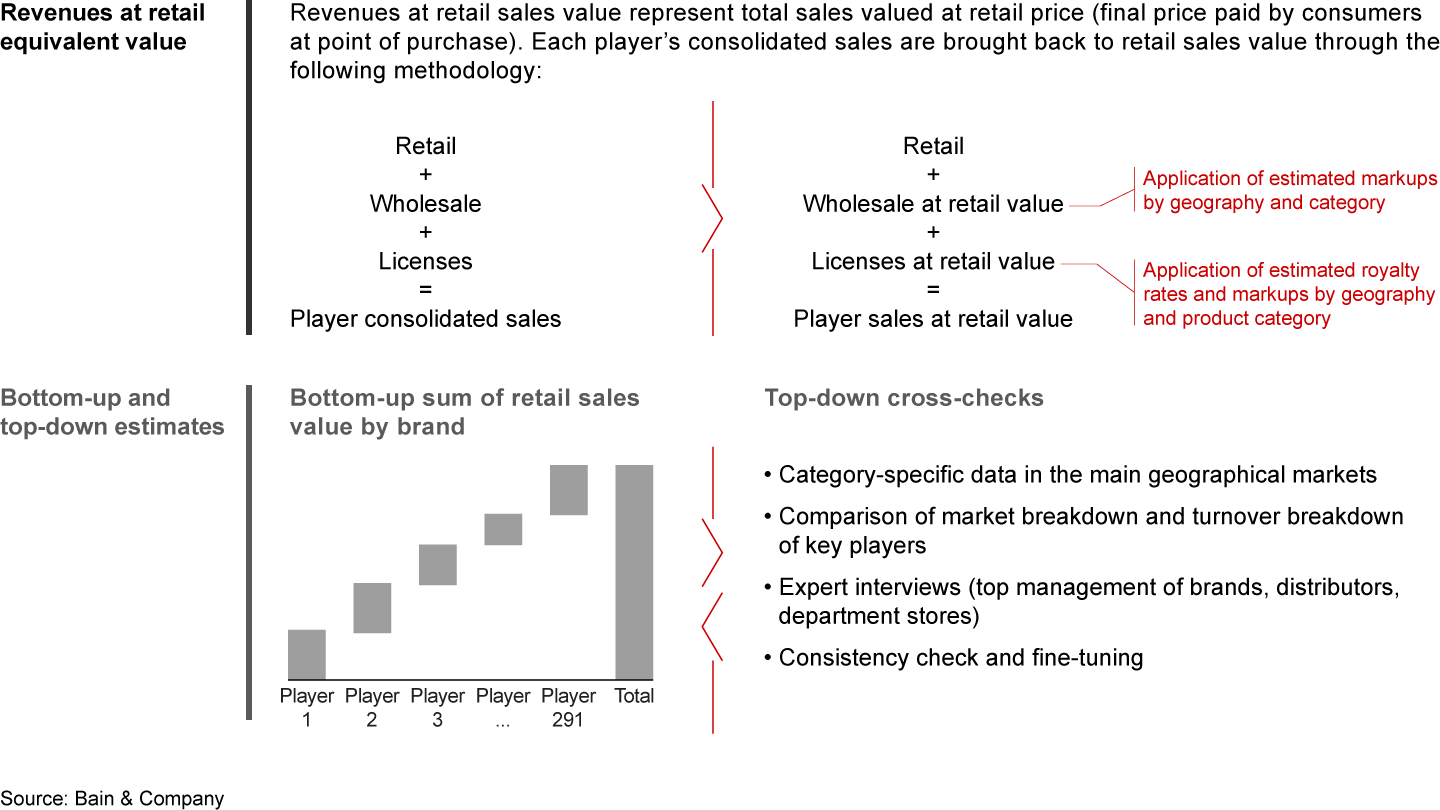
Bain & Company analyzes for Fondazione Altagamma the market and financial performance of more than 300 leading luxury goods companies and brands. This database, known as the Luxury Goods Worldwide Market Observatory, has become a leading and much-studied source in the international luxury goods industry. Bain has published its annual findings in the Luxury Goods Worldwide Market Study since 2000. The study’s lead author is Claudia D’Arpizio, a Bain partner in Milan. Fondazione Altagamma is led by Andrea Illy, who was named chairman in 2013.
Figure 20

This study was authored by Claudia D’Arpizio, Federica Levato, Filippo Prete and Constance Gault.
This report was written by Joëlle de Montgolfier.
Claudia D’Arpizio (claudia.darpizio@bain.com) is the global leader of the Luxury and Fashion vertical at Bain & Company, and the lead author of this study. Federica Levato (federica.levato@bain.com) is a leading member of the Luxury and Fashion vertical, and the coauthor of this study. Both are Bain partners based in Milan.
Filippo Prete (filippo.prete@bain.com) is a manager, and Constance Gault (constance.gault@bain.com) a consultant, in Bain’s Milan office. They also work with the firm’s Luxury and Fashion vertical.
Joëlle de Montgolfier (joelle.demontgolfier@bain.com) is Bain’s global practice area senior director for Consumer Products, Retail and Luxury. She is based in the firm’s Paris office.
First published in Februar 2020