
Skip to Content
  • オフィス

    オフィス

    北米・南米
    • Atlanta
    • Austin
    • Bogota
    • Boston
    • Buenos Aires
    • Chicago
    • Dallas
    • Denver
    • Houston
    • Los Angeles
    • Mexico City
    • Minneapolis
    • Monterrey
    • Montreal
    • New York
    • Rio de Janeiro
    • San Francisco
    • Santiago
    • São Paulo
    • Seattle
    • Silicon Valley
    • Toronto
    • Washington, DC
    ヨーロッパ・中東・アフリカ
    • Amsterdam
    • Athens
    • Berlin
    • Brussels
    • Copenhagen
    • Doha
    • Dubai
    • Dusseldorf
    • Frankfurt
    • Helsinki
    • Istanbul
    • Johannesburg
    • Kyiv
    • Lisbon
    • London
    • Madrid
    • Milan
    • Munich
    • Oslo
    • Paris
    • Riyadh
    • Rome
    • Stockholm
    • Vienna
    • Warsaw
    • Zurich
    アジア・オーストラリア
    • Bangkok
    • Beijing
    • Bengaluru
    • Brisbane
    • Ho Chi Minh City
    • Hong Kong
    • Jakarta
    • Kuala Lumpur
    • Manila
    • Melbourne
    • Mumbai
    • New Delhi
    • Perth
    • Shanghai
    • Singapore
    • Sydney
    • Tokyo
    全てのオフィス
  • アルムナイ
  • メディア
  • お問い合わせ
  • 東京オフィス
  • Japan | 日本語

    地域と言語を選択

    グローバル
    • Global (English)
    北米・南米
    • Brazil (Português)
    • Argentina (Español)
    • Canada (Français)
    • Chile (Español)
    • Colombia (Español)
    ヨーロッパ・中東・アフリカ
    • France (Français)
    • DACH Region (Deutsch)
    • Italy (Italiano)
    • Spain (Español)
    • Greece (Elliniká)
    アジア・オーストラリア
    • China (中文版)
    • Korea (한국어)
    • Japan (日本語)
  • Saved items (0)
    Saved items (0)

    You have no saved items.

    後で閲読、共有できるようにするためにブックマークしてください

    Explore Bain Insights
  • 業界別プラクティス
    メインメニュー

    業界別プラクティス

    • 航空宇宙、防衛、政府関連
    • 農業
    • 化学製品
    • インフラ、建設
    • 消費財
    • 金融サービス
    • ヘルスケア
    • 産業機械、設備
    • メディア、エンターテインメント
    • 金属
    • 採掘・鉱業
    • 石油、ガス
    • 紙、パッケージ
    • プライベートエクイティ
    • 公共、社会セクター
    • 小売
    • テクノロジー
    • 通信
    • 交通
    • 観光産業
    • 公益事業、再生可能エネルギー
  • 機能別プラクティス
    メインメニュー

    機能別プラクティス

    • カスタマー・エクスペリエンス
    • サステイナビリティ、 社会貢献
    • Innovation
    • 企業買収、合併 (M&A)
    • オペレーション
    • 組織
    • プライベートエクイティ
    • マーケティング・営業
    • 戦略
    • アドバンスド・アナリティクス
    • Technology
    • フルポテンシャル・トランスフォーメーション
  • Digital
  • 知見/レポート
  • ベイン・アンド・カンパニーについて
    メインメニュー

    ベイン・アンド・カンパニーについて

    • ベインの信条
    • 活動内容
    • 社員とリーダーシップ
    • プレス・メディア情報
    • クライアントの結果
    • 受賞歴
    • パートナーシップを結んでいる団体
    Further: Our global responsibility
    • ダイバーシティ
    • 社会貢献
    • サステイナビリティへの取り組み
    • 世界経済フォーラム(WEF)
    Learn more about Further
  • キャリア
    メインメニュー

    キャリア

    • ベインで働く
      キャリア
      ベインで働く
      • Find Your Place
      • ベインで活躍する機会
      • ベインのチーム体制
      • 学生向けページ
      • インターンシップ
      • 採用イベント
    • ベインでの体験
      キャリア
      ベインでの体験
      • Blog: Inside Bain
      • キャリアストーリー
      • 社員紹介
      • Where We Work
      • 成長を後押しするサポート体制
      • アフィニティ・グループ
      • 福利厚生
    • Impact Stories
    • 採用情報
      キャリア
      採用情報
      • 採用プロセス
      • 面接内容
    FIND JOBS
  • オフィス
    メインメニュー

    オフィス

    • 北米・南米
      オフィス
      北米・南米
      • Atlanta
      • Austin
      • Bogota
      • Boston
      • Buenos Aires
      • Chicago
      • Dallas
      • Denver
      • Houston
      • Los Angeles
      • Mexico City
      • Minneapolis
      • Monterrey
      • Montreal
      • New York
      • Rio de Janeiro
      • San Francisco
      • Santiago
      • São Paulo
      • Seattle
      • Silicon Valley
      • Toronto
      • Washington, DC
    • ヨーロッパ・中東・アフリカ
      オフィス
      ヨーロッパ・中東・アフリカ
      • Amsterdam
      • Athens
      • Berlin
      • Brussels
      • Copenhagen
      • Doha
      • Dubai
      • Dusseldorf
      • Frankfurt
      • Helsinki
      • Istanbul
      • Johannesburg
      • Kyiv
      • Lisbon
      • London
      • Madrid
      • Milan
      • Munich
      • Oslo
      • Paris
      • Riyadh
      • Rome
      • Stockholm
      • Vienna
      • Warsaw
      • Zurich
    • アジア・オーストラリア
      オフィス
      アジア・オーストラリア
      • Bangkok
      • Beijing
      • Bengaluru
      • Brisbane
      • Ho Chi Minh City
      • Hong Kong
      • Jakarta
      • Kuala Lumpur
      • Manila
      • Melbourne
      • Mumbai
      • New Delhi
      • Perth
      • Shanghai
      • Singapore
      • Sydney
      • Tokyo
    全てのオフィス
  • アルムナイ
  • メディア
  • お問い合わせ
  • 東京オフィス
  • Japan | 日本語
    メインメニュー

    地域と言語を選択

    • グローバル
      地域と言語を選択
      グローバル
      • Global (English)
    • 北米・南米
      地域と言語を選択
      北米・南米
      • Brazil (Português)
      • Argentina (Español)
      • Canada (Français)
      • Chile (Español)
      • Colombia (Español)
    • ヨーロッパ・中東・アフリカ
      地域と言語を選択
      ヨーロッパ・中東・アフリカ
      • France (Français)
      • DACH Region (Deutsch)
      • Italy (Italiano)
      • Spain (Español)
      • Greece (Elliniká)
    • アジア・オーストラリア
      地域と言語を選択
      アジア・オーストラリア
      • China (中文版)
      • Korea (한국어)
      • Japan (日本語)
  • Saved items  (0)
    メインメニュー
    Saved items (0)

    You have no saved items.

    後で閲読、共有できるようにするためにブックマークしてください

    Explore Bain Insights
  • 業界別プラクティス
    • 業界別プラクティス

      • 航空宇宙、防衛、政府関連
      • 農業
      • 化学製品
      • インフラ、建設
      • 消費財
      • 金融サービス
      • ヘルスケア
      • 産業機械、設備
      • メディア、エンターテインメント
      • 金属
      • 採掘・鉱業
      • 石油、ガス
      • 紙、パッケージ
      • プライベートエクイティ
      • 公共、社会セクター
      • 小売
      • テクノロジー
      • 通信
      • 交通
      • 観光産業
      • 公益事業、再生可能エネルギー
  • 機能別プラクティス
    • 機能別プラクティス

      • カスタマー・エクスペリエンス
      • サステイナビリティ、 社会貢献
      • Innovation
      • 企業買収、合併 (M&A)
      • オペレーション
      • 組織
      • プライベートエクイティ
      • マーケティング・営業
      • 戦略
      • アドバンスド・アナリティクス
      • Technology
      • フルポテンシャル・トランスフォーメーション
  • Digital
  • 知見/レポート
  • ベイン・アンド・カンパニーについて
    • ベイン・アンド・カンパニーについて

      • ベインの信条
      • 活動内容
      • 社員とリーダーシップ
      • プレス・メディア情報
      • クライアントの結果
      • 受賞歴
      • パートナーシップを結んでいる団体
      Further: Our global responsibility
      • ダイバーシティ
      • 社会貢献
      • サステイナビリティへの取り組み
      • 世界経済フォーラム(WEF)
      Learn more about Further
  • キャリア
    人気検索キーワード
    • デジタル
    • 戦略
    前回の検索
      最近訪れたページ

      Content added to saved items

      Saved items (0)

      Removed from saved items

      Saved items (0)

      記事

      Achieving Maximum Potential from a Cloud Transformation

      Achieving Maximum Potential from a Cloud Transformation

      Setting high ambitions and enlisting broad support helps companies get more from the cloud.

      著者:Vishy Padmanabhan, Prasad Sankaran, Adi Prakash, Rajneesh Sethi, and Frank Ford

      • min read
      }

      記事

      Achieving Maximum Potential from a Cloud Transformation
      en
      概要
      • Few companies are getting as much out of their cloud strategy as they could if they set their ambitions higher.
      • Most companies plateau at about one-third of their potential after five years of their cloud migrations.
      • Shifting workloads to the cloud generates two kinds of value—the first being cost savings that result from higher productivity and lower technology unit costs.
      • The other source of value could be much greater for most companies: the business innovations made possible by cloud infrastructure, which can create real market advantages.

      Two decades into the migration to the cloud model, most companies have already shifted some of their workloads and committed to shifting more to the cloud. But surprisingly few have been able to capture as much value as they could if they pursued the cloud model more aggressively. Getting started is proving to be straightforward, but scaling cloud operations to their full potential within a large organization has been a difficult climb for many. Bain’s research finds several reasons for this.

      • Most companies aim too low: Only about 1 in 20 companies set their ambitions high enough to target the full potential of the cloud model.
      • Many companies hit a ceiling after about five years of effort and investments, having captured only about 35% of the potential (see Figure 1).
      • These organizations run into scaling barriers after the initial euphoria of a few successful pilots.

      Modernizing technology is an obvious hurdle to further success, with 46% of companies citing the challenge of working within legacy environments as a major barrier. Other significant barriers include difficulty finding the right engineering talent (54%) and overcoming entrenched organizational cultural barriers that keep teams working in their old ways (43%).

      Figure 1
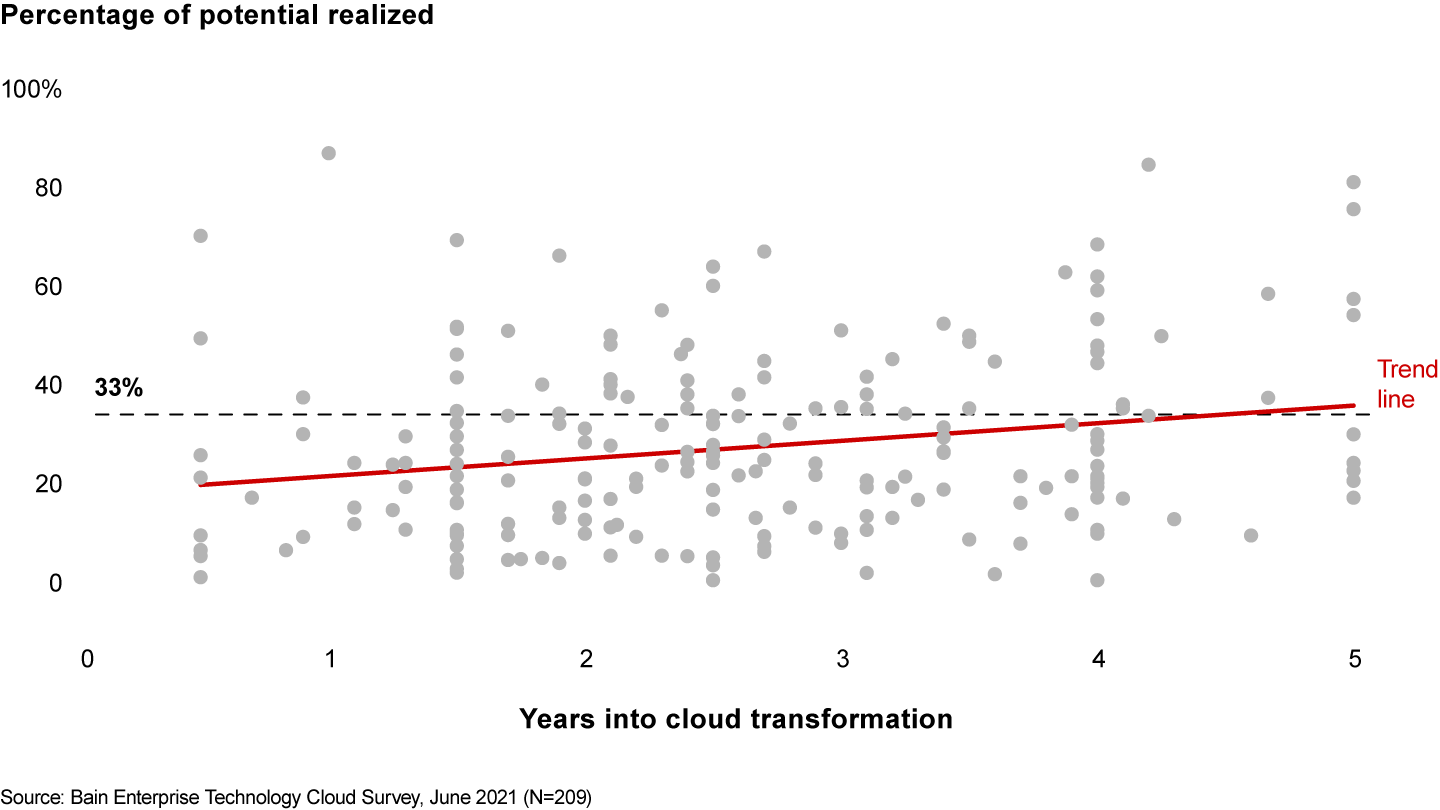
      Cloud initiatives tend to hit a ceiling of about 35% of potential at around five years
      Cloud initiatives tend to hit a ceiling of about 35% of potential at around five years
      Cloud initiatives tend to hit a ceiling of about 35% of potential at around five years

      All these barriers can be overcome, but reaching full potential takes commitment and innovation. Leaders in cloud adoption—that is, those who are achieving greater scale benefits from the cloud model—are more likely to take specific actions, including setting high ambitions, changing entrenched work habits, and taking a more holistic approach to value creation (see Figure 2). In our experience, leaders are also more likely to take a customer-first approach to their business and operating models, a perspective that tends to benefit from the agility and flexibility of a cloud-based model.

      Figure 2
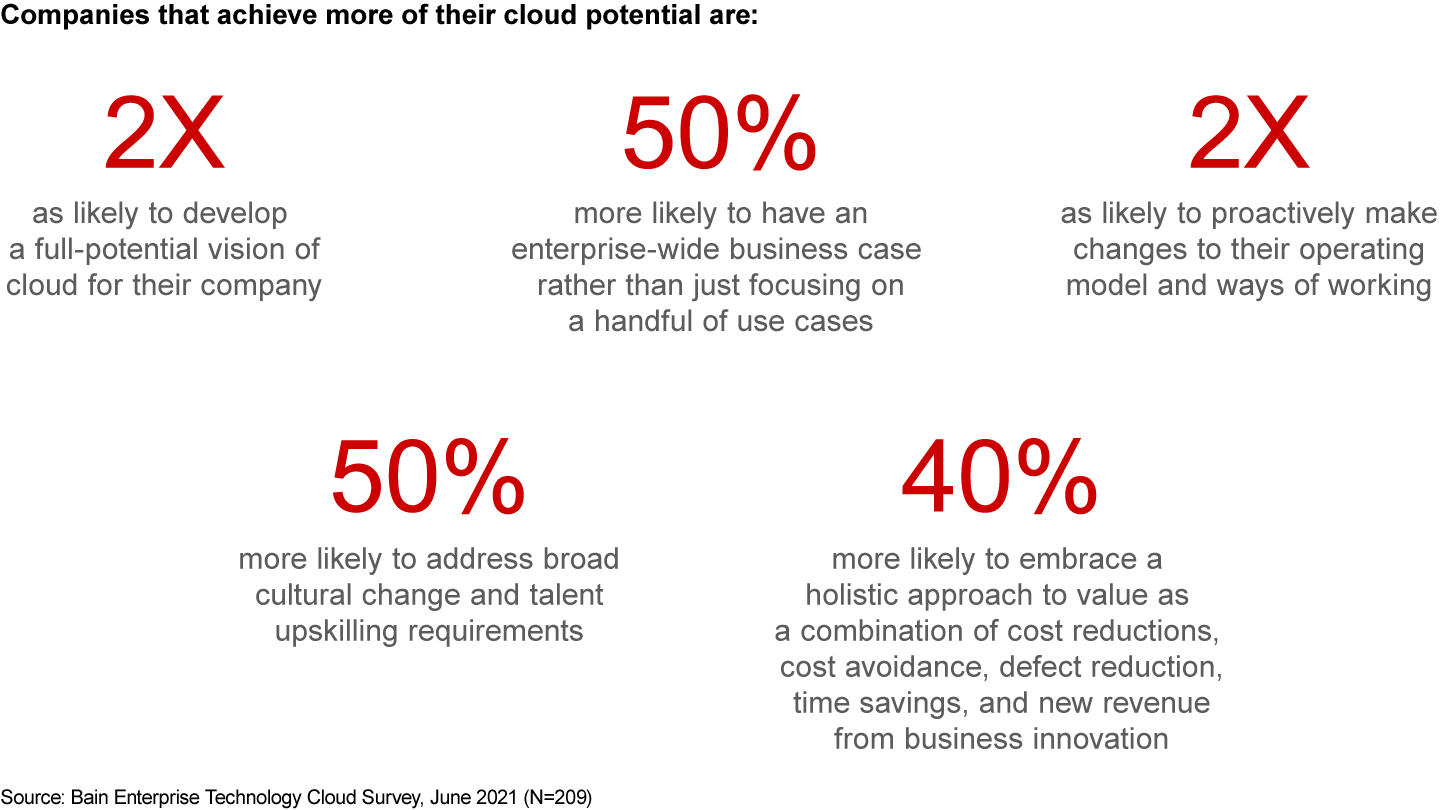
      Cloud leaders are more likely to do these things
      Cloud leaders are more likely to do these things
      Cloud leaders are more likely to do these things

      For the many executives who find themselves in this large cohort of companies that have plateaued at 35%, the message is clear: Don’t give up. While it’s true that the easy gains have been won, greater potential lies ahead for companies that find ways to break through that ceiling. Forging greater ambition starts by understanding two questions:

      • How does the cloud model help companies generate new value?
      • How do companies that are stuck break through old barriers and build new momentum to scale?

      Two main sources of value from the cloud

      Migrating to the cloud generates two types of value: one on the bottom line and one on the top line. New bottom-line value results from cloud’s ability to make developers more productive while reducing the costs of delivering new technology. For the top line, cloud operating models make it easier to innovate, creating and launching new products and businesses in less time.

      Higher productivity, lower unit costs: This is the value that most companies target initially, the core benefits of the cloud model that allow customers to scale up rapidly, pay per use, adapt with flexibility to new demands, and self-provision new infrastructure when needed. These benefits can shave about one-fifth off the unit costs of computing and storage, cut software development time in half or more, and reduce errors.

      Two major barriers block companies from reaching these numbers. First, most are not setting their goals as high as they could, moving more of the business to the cloud model. Cloud initiatives should be pragmatic, but they can also push the limits of what’s possible within an industry. The greater the investment in cloud, the greater the return on investment.

      Second, legacy companies struggle with old work habits and preferences that native cloud companies never have to face. Incumbents can move workloads to the cloud, but they also need to encourage employees to reinvent processes and consider cloud-based solutions first. Another element of this problem is that it’s hard to find enough engineers who are experienced working and developing in a cloud-based environment. Overcoming these barriers requires a blend of reskilling current employees while also attracting new talent.

      Breakthrough business innovations: Beyond these cost benefits, cloud offers greater potential as an innovation platform. Launching new products months ahead of competitors or responding to massive disruptions (such as Covid-19 or supply chain shortages) can create real market advantages. When The Wall Street Journal saw an opportunity to deliver a compelling new feature during the 2020 US presidential campaign, it used machine learning services from Amazon Web Services (AWS) to quickly develop a searchable database of candidate quotes. The Journal wanted readers to be able to pose questions in natural language—such as “what did the president say about healthcare?”—and see results quickly based on text gleaned from Dow Jones’ Factiva database. The Journal’s team developed the service, Talk2020, in four months and was able to launch in September, two months before the election.

      Bain’s research has found that a cloud-enabled insurgent can have operating cost advantages of 60% to 70% (as well as time-to-market advantages) over an incumbent weighed down by legacy ways of working and technology. Whether in banking, insurance, consumer products, pharmaceuticals, or utilities, incumbents increasingly risk being outhustled by smaller and faster, cloud-enabled insurgents. Moderna, for example, has steadily transformed from a discovery-stage biotech company into a commercial biopharma enterprise, developing a diverse portfolio of mRNA-based vaccines and therapeutics. Moderna’s investment in a cloud-based strategy with AWS helped the firm accelerate the test-and-learn cycles that supported the development of its highly effective Covid-19 vaccine as well as its ability to scale production globally.

      Increasingly, market success requires integration with a broader set of ecosystem partners, many of whom are niche providers of new capabilities or data born in the cloud. The cloud model helps companies enter new markets quickly and gain access to new business capabilities by seamlessly partnering across a broad ecosystem and to new technologies such as artificial intelligence, machine learning, blockchain, and digital twinning.

      But companies can only reap these benefits if the business side is dialed into cloud’s potential as an innovation platform. Cloud initiatives that are led only by the technology side of the business, with little buy-in from finance and business executives, tend to lose momentum. If, however, the business case includes upside from cloud advantages, such as faster time to market, the entire company is more likely to support an ambitious cloud program.

      Ongoing education can help executives see the connections between cloud services, faster product design, and better customer experience. When the connections are clear, senior executives can become advocates for the cloud model. Boom Supersonic CEO Blake Scholl, for example, describes how that company’s ability to take advantage of high-performance computing on AWS allows for rapid design iteration at a savings of millions of dollars as it designs a supersonic passenger plane.

      Breaking through the barriers

      The transition from legacy ways of working to a cloud-enabled operating model at enterprise scale is hard work. But the paths of success taken by cloud leaders offer a playbook for effective transformation.

      • Define cloud efforts with a customer-back orientation so that business executives can clearly understand how cloud will improve speed, cost, quality, and innovation, eventually leading to better outcomes with customers, such as more cross-selling and higher loyalty.
      • Prepare a full-potential business case that considers all sources of enterprise value, including technology unit cost reduction, developer and engineering productivity, defect reduction, upside from new revenue sources, and value from more loyal customers.
      • Design the cloud strategy to include new ways of working to accelerate the transformation of the operating model.
      • Invest thoughtfully and in stages to put in place necessary technical foundations, including testing environments, product architectures, and migration plans.
      • Educate executives and frontline staff with continuous learning so that the enterprise takes the most expansive view of cloud benefits and implications.
      • Invest in engineering talent and culture, both of which are central to the cloud journey, and create a plan that includes developing new skills for the software engineering staff as well as hiring new, cloud-savvy talent.

      Perhaps most important, underlying all these tactics should be a concerted effort to aim high, to determine to move as much work to the cloud as is feasible, and to keep the momentum rolling long after the initial enthusiasm wanes.

      著者
      • Vishy Padmanabhan
        Former Partner, New York
      • Prasad Sankaran
        Former Partner, Houston
      • Adi Prakash
        Senior Leader, Strategy, Enterprise Transformation, and Business Value Realization, Amazon Web Services, New York
      • Rajneesh Sethi
        Country Practice Lead, Canada Advisory, Amazon Web Services, Toronto
      • Headshot of Frank Ford
        Frank Ford
        パートナー, London
      関連するコンサルティングサービス
      • Digital
      • IT
      コンサルティングサービス
      • Systems & Architecture
      CIO Insights
      Tech Execs Lack Confidence in System Integrators

      Only 6% said that they would recommend their system integrators for an enterprise resource planning (ERP) transformation.

      詳細
      CIO Insights
      Want More Out of Your AI Investments? Think People First

      To unlock AI’s exponential productivity potential, companies must modernize workflow and workforce in tandem.

      詳細
      IT
      Reimagining Merchandising in the Era of Agentic AI

      The future of merchandising is not better analysis, but faster, smarter execution—and agentic AI is what makes that possible.

      詳細
      CIO Insights
      Life Sciences’ AI Momentum Requires a Workforce Redesign

      AI scalers aren't waiting for new talent—they're building it.

      詳細
      CIO Insights
      How Soon Will Agentic AI Redefine Enterprise Resource Planning?

      Bain’s latest survey reveals a divide: tech leaders find ERP enables AI adoption, while laggards say it hinders it.

      詳細
      First published in 11月 2021
      Tags
      • CIO Insights
      • Digital
      • IT
      • Systems & Architecture

      クライアント支援事例

      Digital A Strategic Separation Enables New Growth for GSK and Haleon

      ケーススタディを見る

      IT Salvaging a Technology Outsourcing Deal Gone Bad

      ケーススタディを見る

      IT Aligning a new technology platform with shifting business priorities

      ケーススタディを見る

      お気軽にご連絡下さい

      私達は、グローバルに活躍する経営者が抱える最重要経営課題に対して、厳しい競争環境の中でも成長し続け、「結果」を出すために支援しています。

      Digital is a service mark of Bain & Company, Inc.

      ベインの知見。競争が激化するグローバルビジネス環境で、日々直面するであろう問題について論じている知見を毎月お届けします。

      *プライバシーポリシーの内容を確認し、合意しました。

      プライバシーポリシーをご確認頂き、合意頂けますようお願い致します。
      Bain & Company
      お問い合わせ Sustainability Accessibility Terms of use Privacy Cookie Policy Sitemap Log In

      © 1996-2026 Bain & Company, Inc.

      お問い合わせ

      How can we help you?

      • ビジネスについて
      • プレス報道について
      • 採用について
      全てのオフィス