

論説

概要
- Digital Product Passports (DPPs) will force brands, consumers, and resale platforms to change how they view and measure value.
- Product lifetime value will become a key metric for brands, consumers, and marketplaces.
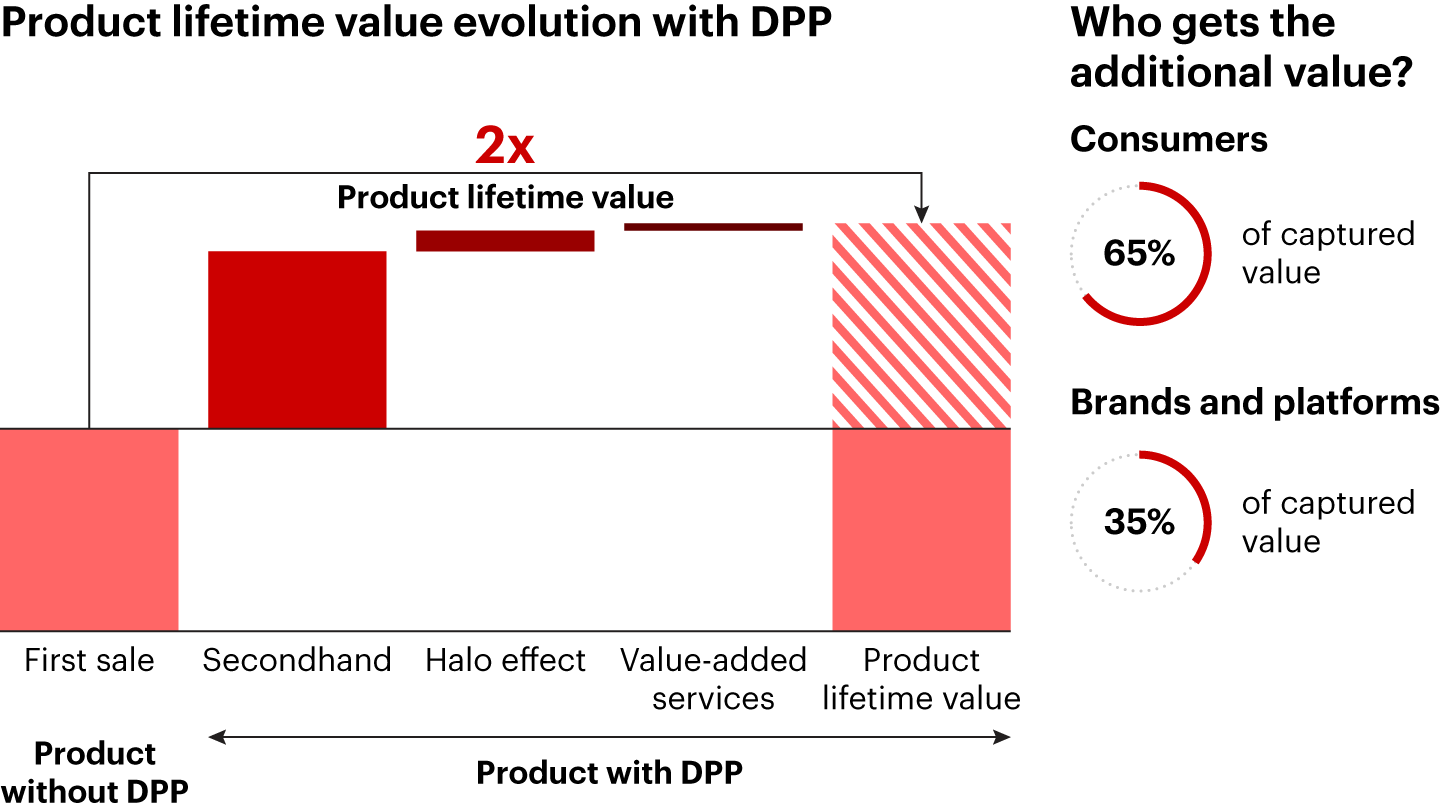
- DPPs could double the lifetime value of products, with consumers set to benefit the most, receiving up to 65% of this new value.
- A strong secondhand market will have a halo effect on the primary goods market, particularly for brands that retain value.
- Brands should look beyond compliance and deploy DPPs as a strategic opportunity with consumers in mind.
Written in collaboration with
Written in collaboration with

If consumers had more information about sustainability, would they behave differently?
Would greater transparency influence decisions across the supply chain?
Regulators in the EU believe so—and introduced the Ecodesign for Sustainable Products Regulation as a step toward a more sustainable and transparent marketplace. Digital Product Passports (DPPs) are a key component of the regulation.
A DPP is a comprehensive digital record designed to provide consumers, businesses, and regulators with a clearer view of a product’s sustainability footprint. Once fully implemented, consumers will have one-click access to detailed information about a product’s entire life cycle, including its origin, material inputs, environmental impact, and end-of-life disposal instructions. By increasing transparency, regulators expect DPPs to drive circularity and more sustainable consumption and production patterns.
DPPs are expected to become a compliance requirement for businesses selling goods in the EU soon. While the timeline may evolve as the EU reviews elements of the Green Deal, key milestones are already on the horizon:
- By 2026, brands must manage product data within a digital registry.
- By 2027, certain industries, such as textiles, must comply with the mandate.
- By 2030, nearly every physical product sold in the EU must feature a DPP.
To meet these requirements, brands must collect extensive data across their global supply chains and develop robust systems and processes to gather, store, and share essential product information. For many companies—including 90% of the brands we’ve interviewed—DPPs feel like a regulatory burden: Comply to avoid penalties. End of story.
However, DPPs also introduce a new strategic opportunity. By investing in the connected product ecosystem, brands can turn regulatory obligations into new sources of value.
DPPs unlock hidden value
For most brands, value is realized at the point of sale, in a straightforward transaction in which goods are exchanged for revenue. When a product is resold, consumers and secondary goods marketplaces—not the brand—capture the majority of any remaining value.
DPPs could change this dynamic by tracking a product’s entire journey—from first sale through disposal—so brands can see who owns it, how it’s used, when it’s resold, and what services it requires along the way. Brands can leverage rich data streams made possible by DPP initiatives to track all the value derived from a product. When post-sale and resale opportunities are accounted for, the lifetime value of a product could double—and a single transaction could turn into ongoing revenue opportunities.
Equally important, DPPs will give brands valuable insight into individual products and consumers. They’ll see which products retain the most value and which customers buy and resell pre-loved items—picking up important signals for future product development.
Consider these additional opportunities to create value:
- Buyback and repurchase programs: Knowing a product’s full history allows brands to implement profitable trade-in and resale programs, capturing new value from the secondhand market.
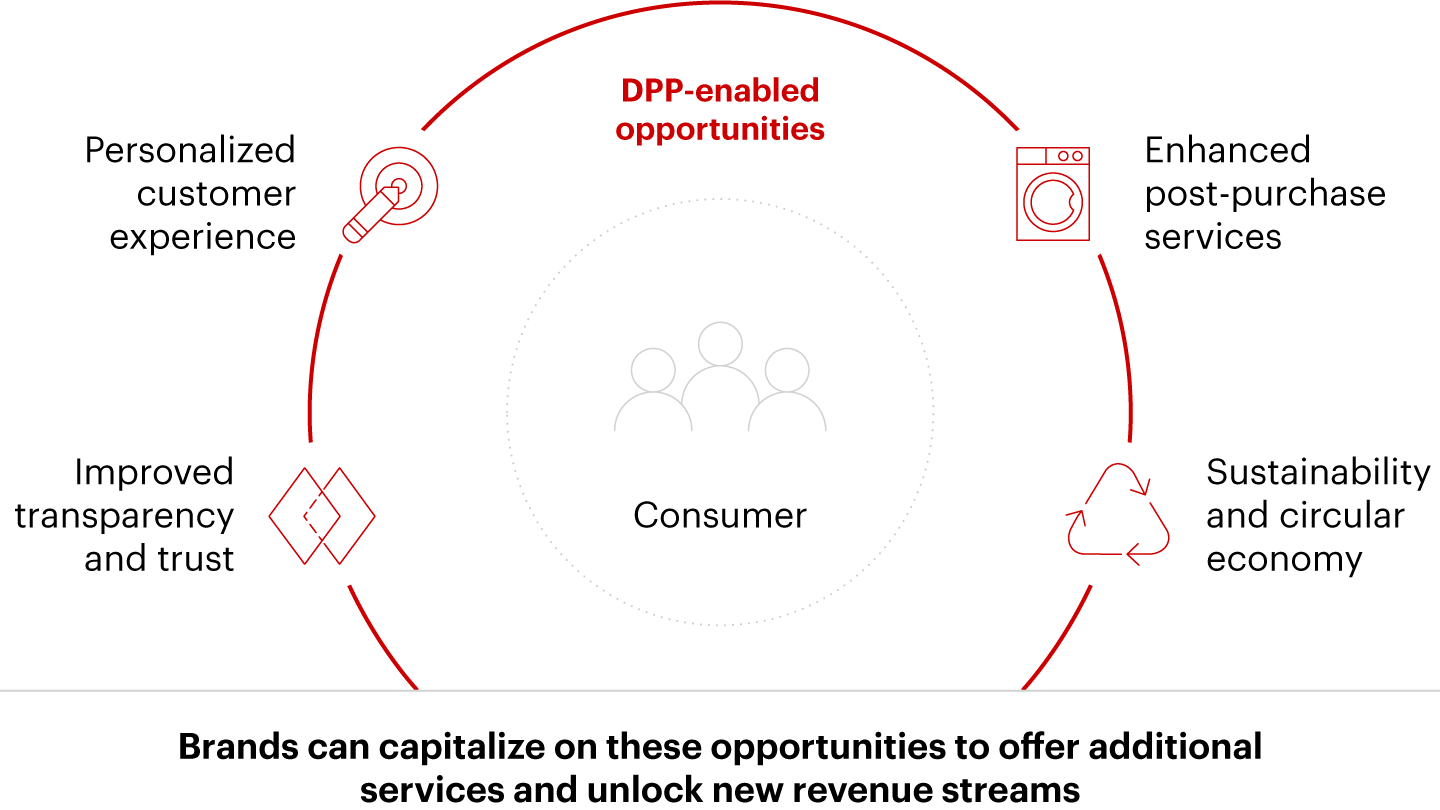
- Ownership tracking and authentication: For luxury goods and other high-value items, DPPs provide a verifiable record of ownership changes. This transparency builds trust, preserves resale value, and helps brands connect with current owners, including new, previously unseen customers in the secondary market.
- Customer insight and acquisition opportunities: As products change hands, DPPs give brands visibility into previously hidden behaviors within secondary markets. They help brands uncover resale trends, engage with customers who don’t buy directly from the brand, and create opportunities to build loyalty and drive upsell over time.
- Customer experiences: Consumer interactions with DPPs will generate valuable data. Brands can analyze this information to build detailed consumer profiles, tailor marketing recommendations, and deliver highly personalized services.
- Post-purchase services: Brands can leverage DPP data to offer warranty and maintenance reminders, extended service plans, and exclusive offers.
- Circularity: DPPs support a stronger resale market for brands and resale platforms while creating new revenue opportunities related to cleaning, repair, and refurbishment.
Brands traditionally focus on how to increase customer lifetime value—the total revenue they extract from a single customer over time. With DPPs, product lifetime value—the total value a product generates throughout its entire life cycle—will become an equally important metric.
With DPPs, one product can generate value multiple times, benefiting brands, consumers, and marketplaces well beyond the first transaction (see Figure 1).
Figure 1

The surprising DPP winner: consumers
DPPs have the potential to double a product’s lifetime value, but the biggest beneficiaries won’t be brands—they’ll be consumers. As the secondhand market expands, consumers stand to capture up to 65% of this new value (see Figure 2).
Figure 2

The global secondhand apparel market—just one piece of the resale market—was valued at $230 billion in 2024, according to the ThredUp Resale Report 2024. And resale is growing three times faster than the overall global apparel market.
DPPs will transform how consumers engage with both new and secondhand products—and accelerate the shift toward secondary markets.
Traceability and authenticity features embedded in DPPs could increase resale values. Buyers will gain immediate access to a product’s full history, including its provenance, which will reduce counterfeit risks and strengthen confidence in resale purchases.
Brands like Dior, Louis Vuitton, Tod’s, and Mugler have already created DPPs. They’ve registered millions of products on blockchain to provide digital certificates of ownership and authenticity, a step that simplifies resale and reassures buyers. Brands such as Armani, Stone Island, and Diesel enable consumers to scan secure tags in their garments to authenticate items, access product information, and participate in brand experiences and marketing programs.
DPPs also remove many of the pain points associated with selling secondhand goods. Today, consumers have to dig up original purchase details, then go through the tedious process of taking photos, writing descriptions, and manually listing items for sale. DPPs will streamline this process, enabling one-click resale from virtually anywhere—whether through a brand’s e-commerce platform or a resale service.
Italian outerwear brand Save The Duck partnered with Certilogo to integrate DPPs into its entire Spring/Summer 2024 collection. Each product tag includes a QR code that links to detailed information about the item’s fabric composition, certifications, care instructions, and geographic touchpoints. For brands like Save The Duck, DPPs offer a richer, more informed shopping experience today—and simpler resale in the future.
By making the secondhand market more accessible, efficient, and profitable for consumers, DPPs will drive substantial growth in the secondary market. A DPP-powered resale market can create new value for consumers and marketplaces while building deeper relationships between buyers and brands.
A stronger secondhand market will have a halo effect that enhances the perceived value of primary goods, particularly for brands that demonstrate how well their products retain value over time.
DPPs address more than sustainability
If brands rethink their approach to DPPs, they can invent new ways to create value and monetize services. A strategic approach to DPPs also addresses four core needs:
- Upstream traceability: This is the primary compliance focus. Tracking the origins and journey of materials through the supply chain will encourage ethical sourcing and help consumers make informed decisions based on a product’s carbon footprint, waste generation, and recycling potential.
- System integration: Brands can integrate DPPs and their underlying platforms with other enterprise systems (e.g., product life cycle management systems) to create a unified view of sourcing, manufacturing, retail, and resale operations.
- Authentication: Verifying product authenticity and flagging counterfeits will protect brand integrity, preserve product value, and strengthen consumer trust.
- Downstream traceability: Ownership tracking will make transfers and resales smoother for consumers while providing valuable data (and stories) for brands. DPPs can also power value-added services, such as digital closets, loyalty programs, and customer relationship management activations. In addition, brands can embed resale, repair, and buyback options directly into DPPs to help consumers extend the life—and value—of their purchases.
Some benefits will take time to materialize. However, brands that proactively pursue DPPs as a strategic opportunity—rather than a mandate—will see benefits before full operationalization. Early adopters can unlock medium-term advantages, such as enhanced customer engagement, the ability to reach new customer groups, streamlined resale processes, and deeper insights.
Next steps for brands
Brands are under increasing pressure to reduce waste, lower emissions, and extend product life cycles. However, they cannot achieve decarbonization commitments or sustainability targets without fully embracing circularity. For brands in the luxury and high-value goods sectors, that means integrating the secondhand market into a long-term circular economy strategy.
Many brands are treating DPP adoption as a regulatory checkbox, investing only enough to meet compliance standards and offset costs through post-purchase services. But DPPs aren’t solely about compliance; they are the key to unlocking a massive secondhand market opportunity and driving exponential resale growth.
Consumers will benefit the most from this shift, capturing the lion’s share of resale value. However, DPPs will also elevate brands’ value and prestige in the primary market, especially for those whose products withstand the tests of time and turnover. And by enhancing transparency, trust, and authenticity in resale, DPPs will accelerate growth in the secondhand market, making it more appealing to both buyers and sellers.
Rather than viewing DPPs as a compliance burden, brands should see them as a strategic tool for long-term value creation. By moving beyond compliance, they can unlock a new measure of value—product lifetime value—and reap benefits from the first to final transaction.

eBay Inc. (Nasdaq: EBAY) is a global commerce leader that connects people and builds communities to create economic opportunity for all. Our technology empowers millions of buyers and sellers in more than 190 markets around the world, providing everyone the opportunity to grow and thrive. Founded in 1995 in San Jose, California, eBay is one of the world's largest and most vibrant marketplaces for discovering great value and unique selection. In 2024, eBay enabled $75 billion of gross merchandise volume. For more information about the company and its global portfolio of online brands, visit www.ebayinc.com.
First published in 6月 2025