Skip to Content
  • オフィス

    オフィス

    北米・南米
    • Atlanta
    • Austin
    • Bogota
    • Boston
    • Buenos Aires
    • Chicago
    • Dallas
    • Denver
    • Houston
    • Los Angeles
    • Mexico City
    • Minneapolis
    • Monterrey
    • Montreal
    • New York
    • Rio de Janeiro
    • San Francisco
    • Santiago
    • São Paulo
    • Seattle
    • Silicon Valley
    • Toronto
    • Washington, DC
    ヨーロッパ・中東・アフリカ
    • Amsterdam
    • Athens
    • Berlin
    • Brussels
    • Copenhagen
    • Doha
    • Dubai
    • Dusseldorf
    • Frankfurt
    • Helsinki
    • Istanbul
    • Johannesburg
    • Kyiv
    • Lisbon
    • London
    • Madrid
    • Milan
    • Munich
    • Oslo
    • Paris
    • Riyadh
    • Rome
    • Stockholm
    • Vienna
    • Warsaw
    • Zurich
    アジア・オーストラリア
    • Bangkok
    • Beijing
    • Bengaluru
    • Brisbane
    • Ho Chi Minh City
    • Hong Kong
    • Jakarta
    • Kuala Lumpur
    • Manila
    • Melbourne
    • Mumbai
    • New Delhi
    • Perth
    • Shanghai
    • Singapore
    • Sydney
    • Tokyo
    全てのオフィス
  • アルムナイ
  • メディア
  • お問い合わせ
  • 東京オフィス
  • Japan | 日本語

    地域と言語を選択

    グローバル
    • Global (English)
    北米・南米
    • Brazil (Português)
    • Argentina (Español)
    • Canada (Français)
    • Chile (Español)
    • Colombia (Español)
    ヨーロッパ・中東・アフリカ
    • France (Français)
    • DACH Region (Deutsch)
    • Italy (Italiano)
    • Spain (Español)
    • Greece (Elliniká)
    アジア・オーストラリア
    • China (中文版)
    • Korea (한국어)
    • Japan (日本語)
  • Saved items (0)
    Saved items (0)

    You have no saved items.

    後で閲読、共有できるようにするためにブックマークしてください

    Explore Bain Insights
  • 業界別プラクティス
    メインメニュー

    業界別プラクティス

    • 航空宇宙、防衛、政府関連
    • 農業
    • 化学製品
    • インフラ、建設
    • 消費財
    • 金融サービス
    • ヘルスケア
    • 産業機械、設備
    • メディア、エンターテインメント
    • 金属
    • 採掘・鉱業
    • 石油、ガス
    • 紙、パッケージ
    • プライベートエクイティ
    • 公共、社会セクター
    • 小売
    • テクノロジー
    • 通信
    • 交通
    • 観光産業
    • 公益事業、再生可能エネルギー
  • 機能別プラクティス
    メインメニュー

    機能別プラクティス

    • カスタマー・エクスペリエンス
    • サステイナビリティ、 社会貢献
    • Innovation
    • 企業買収、合併 (M&A)
    • オペレーション
    • 組織
    • プライベートエクイティ
    • マーケティング・営業
    • 戦略
    • アドバンスド・アナリティクス
    • Technology
    • フルポテンシャル・トランスフォーメーション
  • Digital
  • 知見/レポート
  • ベイン・アンド・カンパニーについて
    メインメニュー

    ベイン・アンド・カンパニーについて

    • ベインの信条
    • 活動内容
    • 社員とリーダーシップ
    • プレス・メディア情報
    • クライアントの結果
    • 受賞歴
    • パートナーシップを結んでいる団体
    Further: Our global responsibility
    • ダイバーシティ
    • 社会貢献
    • サステイナビリティへの取り組み
    • 世界経済フォーラム(WEF)
    Learn more about Further
  • キャリア
    メインメニュー

    キャリア

    • ベインで働く
      キャリア
      ベインで働く
      • Find Your Place
      • ベインで活躍する機会
      • ベインのチーム体制
      • 学生向けページ
      • インターンシップ
      • 採用イベント
    • ベインでの体験
      キャリア
      ベインでの体験
      • Blog: Inside Bain
      • キャリアストーリー
      • 社員紹介
      • Where We Work
      • 成長を後押しするサポート体制
      • アフィニティ・グループ
      • 福利厚生
    • Impact Stories
    • 採用情報
      キャリア
      採用情報
      • 採用プロセス
      • 面接内容
    FIND JOBS
  • オフィス
    メインメニュー

    オフィス

    • 北米・南米
      オフィス
      北米・南米
      • Atlanta
      • Austin
      • Bogota
      • Boston
      • Buenos Aires
      • Chicago
      • Dallas
      • Denver
      • Houston
      • Los Angeles
      • Mexico City
      • Minneapolis
      • Monterrey
      • Montreal
      • New York
      • Rio de Janeiro
      • San Francisco
      • Santiago
      • São Paulo
      • Seattle
      • Silicon Valley
      • Toronto
      • Washington, DC
    • ヨーロッパ・中東・アフリカ
      オフィス
      ヨーロッパ・中東・アフリカ
      • Amsterdam
      • Athens
      • Berlin
      • Brussels
      • Copenhagen
      • Doha
      • Dubai
      • Dusseldorf
      • Frankfurt
      • Helsinki
      • Istanbul
      • Johannesburg
      • Kyiv
      • Lisbon
      • London
      • Madrid
      • Milan
      • Munich
      • Oslo
      • Paris
      • Riyadh
      • Rome
      • Stockholm
      • Vienna
      • Warsaw
      • Zurich
    • アジア・オーストラリア
      オフィス
      アジア・オーストラリア
      • Bangkok
      • Beijing
      • Bengaluru
      • Brisbane
      • Ho Chi Minh City
      • Hong Kong
      • Jakarta
      • Kuala Lumpur
      • Manila
      • Melbourne
      • Mumbai
      • New Delhi
      • Perth
      • Shanghai
      • Singapore
      • Sydney
      • Tokyo
    全てのオフィス
  • アルムナイ
  • メディア
  • お問い合わせ
  • 東京オフィス
  • Japan | 日本語
    メインメニュー

    地域と言語を選択

    • グローバル
      地域と言語を選択
      グローバル
      • Global (English)
    • 北米・南米
      地域と言語を選択
      北米・南米
      • Brazil (Português)
      • Argentina (Español)
      • Canada (Français)
      • Chile (Español)
      • Colombia (Español)
    • ヨーロッパ・中東・アフリカ
      地域と言語を選択
      ヨーロッパ・中東・アフリカ
      • France (Français)
      • DACH Region (Deutsch)
      • Italy (Italiano)
      • Spain (Español)
      • Greece (Elliniká)
    • アジア・オーストラリア
      地域と言語を選択
      アジア・オーストラリア
      • China (中文版)
      • Korea (한국어)
      • Japan (日本語)
  • Saved items  (0)
    メインメニュー
    Saved items (0)

    You have no saved items.

    後で閲読、共有できるようにするためにブックマークしてください

    Explore Bain Insights
  • 業界別プラクティス
    • 業界別プラクティス

      • 航空宇宙、防衛、政府関連
      • 農業
      • 化学製品
      • インフラ、建設
      • 消費財
      • 金融サービス
      • ヘルスケア
      • 産業機械、設備
      • メディア、エンターテインメント
      • 金属
      • 採掘・鉱業
      • 石油、ガス
      • 紙、パッケージ
      • プライベートエクイティ
      • 公共、社会セクター
      • 小売
      • テクノロジー
      • 通信
      • 交通
      • 観光産業
      • 公益事業、再生可能エネルギー
  • 機能別プラクティス
    • 機能別プラクティス

      • カスタマー・エクスペリエンス
      • サステイナビリティ、 社会貢献
      • Innovation
      • 企業買収、合併 (M&A)
      • オペレーション
      • 組織
      • プライベートエクイティ
      • マーケティング・営業
      • 戦略
      • アドバンスド・アナリティクス
      • Technology
      • フルポテンシャル・トランスフォーメーション
  • Digital
  • 知見/レポート
  • ベイン・アンド・カンパニーについて
    • ベイン・アンド・カンパニーについて

      • ベインの信条
      • 活動内容
      • 社員とリーダーシップ
      • プレス・メディア情報
      • クライアントの結果
      • 受賞歴
      • パートナーシップを結んでいる団体
      Further: Our global responsibility
      • ダイバーシティ
      • 社会貢献
      • サステイナビリティへの取り組み
      • 世界経済フォーラム(WEF)
      Learn more about Further
  • キャリア
    人気検索キーワード
    • デジタル
    • 戦略
    前回の検索
      最近訪れたページ

      Content added to saved items

      Saved items (0)

      Removed from saved items

      Saved items (0)

      論説

      How to Build A High-Performance Culture

      How to Build A High-Performance Culture

      A high-performance culture is about testing, learning, applying, and adjusting faster.

      著者:Marc Berman, Tracy Thurkow, and Adélaïde Hubert

      • min read
      }

      論説

      How to Build A High-Performance Culture
      en
      概要
      • In high-performance organizations people are empowered, receive the right resources, and have accountability.
      • A high-performance culture energizes and motivates employees.
      • Over time, companies with high performance, inspiration, and inclusion generate measurably better business results.

      A common question from CEOs, in both up cycles and down, is how to create a high-performance culture. It’s most often raised when a company’s strategy is clear but its metabolic rate of execution feels low. Executives, searching for an explanation, begin to consider culture and what they can do to create one that supports high performance.

      In high-performance organizations, people are empowered to make decisions. They are given the resources to get things done. And they are held accountable for delivering results. A high-performance culture energizes and motivates, with a sense of both striving and safety—safety to learn, to make mistakes, and to tackle challenges that are new, big, and complex.

      Historically, such a culture could develop organically as people spent time together in the office. Today’s more distributed work patterns require different ways of building a culture. It’s a puzzle well worth solving, however. When combined with high levels of leadership inspiration and inclusion, this high-performance culture becomes a winning culture that produces extraordinary long-term results. Companies that develop a winning culture generate ten times the revenue growth of companies without all three dimensions, five times the total shareholder return (TSR), and five times the growth in earnings before taxes (EBT), Bain research has found (see Figure 1).

      Figure 1
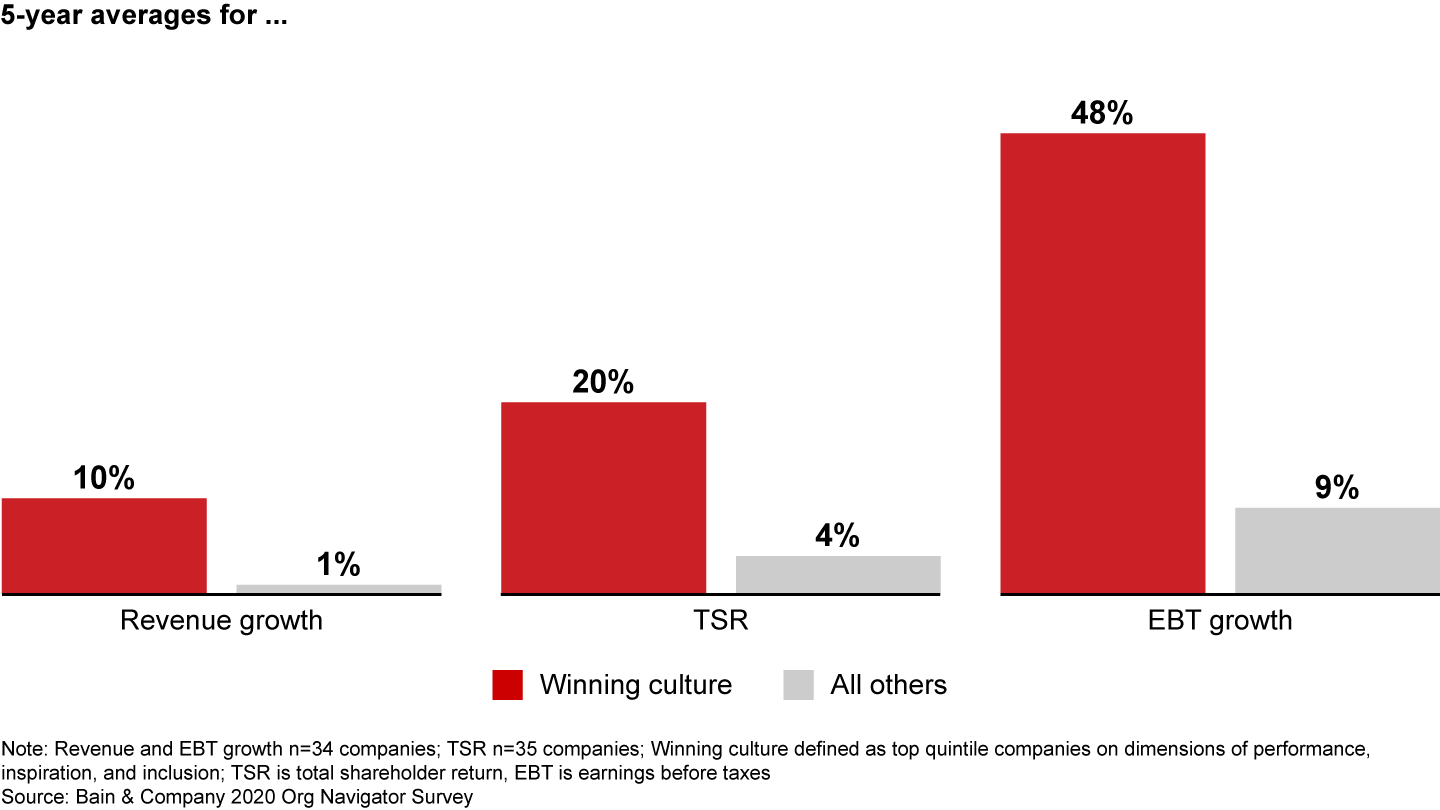
      Companies with a measurable focus on performance, inspiration, and inclusion outperform on multiple measures

      A high-performance culture is built by taking several critical steps: 

      • Leaders of companies with a high-performance culture identify the outcomes—the results or changes in business performance—that their organization needs.
      • They build teams tailored to take on the missions that will collectively achieve those outcomes, selecting team members for their functional expertise and also for capabilities such as digital marketing experience or data science expertise.
      • These multifunctional teams are empowered to think creatively about the best way to achieve their mission, a level of autonomy well suited to the complex challenges and opportunities of business today, such as climate change or generative AI.
      • Leaders clear roadblocks that can get in a team’s way, allocating financial and other resources as needed. Teams are held accountable for achieving their missions and compensated for doing so. 

      As a high-performance culture grows stronger, employees naturally enjoy an increasing sense of accomplishment, but maintaining a high-performance culture is a long-term commitment. India’s Reliance Industries, a conglomerate spanning telecommunication, energy, and retail with revenue of more than $118 billion, has a strong focus on results and leaders who model ambition and make decisions quickly. Teams are accountable and results oriented, and individual performance rewards are given based on achievement.

      But with huge ambitions, including 5G-access for all of India, company executives realize the importance of continuing to improve Reliance Industries’ culture and have focused on a model of distributed responsibility. With this approach, a broader base of employees can contribute to improving profits and/or reducing losses, thereby building their sense of team-level accomplishment. 

      How to build a performance culture 

      Changing culture can feel overwhelming. A performance culture is built gradually, first focusing on a single set of challenges and then, over time, applying those lessons to larger projects and a broader scope of work, eventually scaling to the rest of the organization (see Figure 2). By starting in a targeted way, applying energy to a specific business issue, for example, or a certain part of the organization, companies can capture lessons from that experience and use successes to broadly generate credibility and build momentum and performance. [For more, please read “Fruitful Experiments in the Culture Lab.”]

      Figure 2
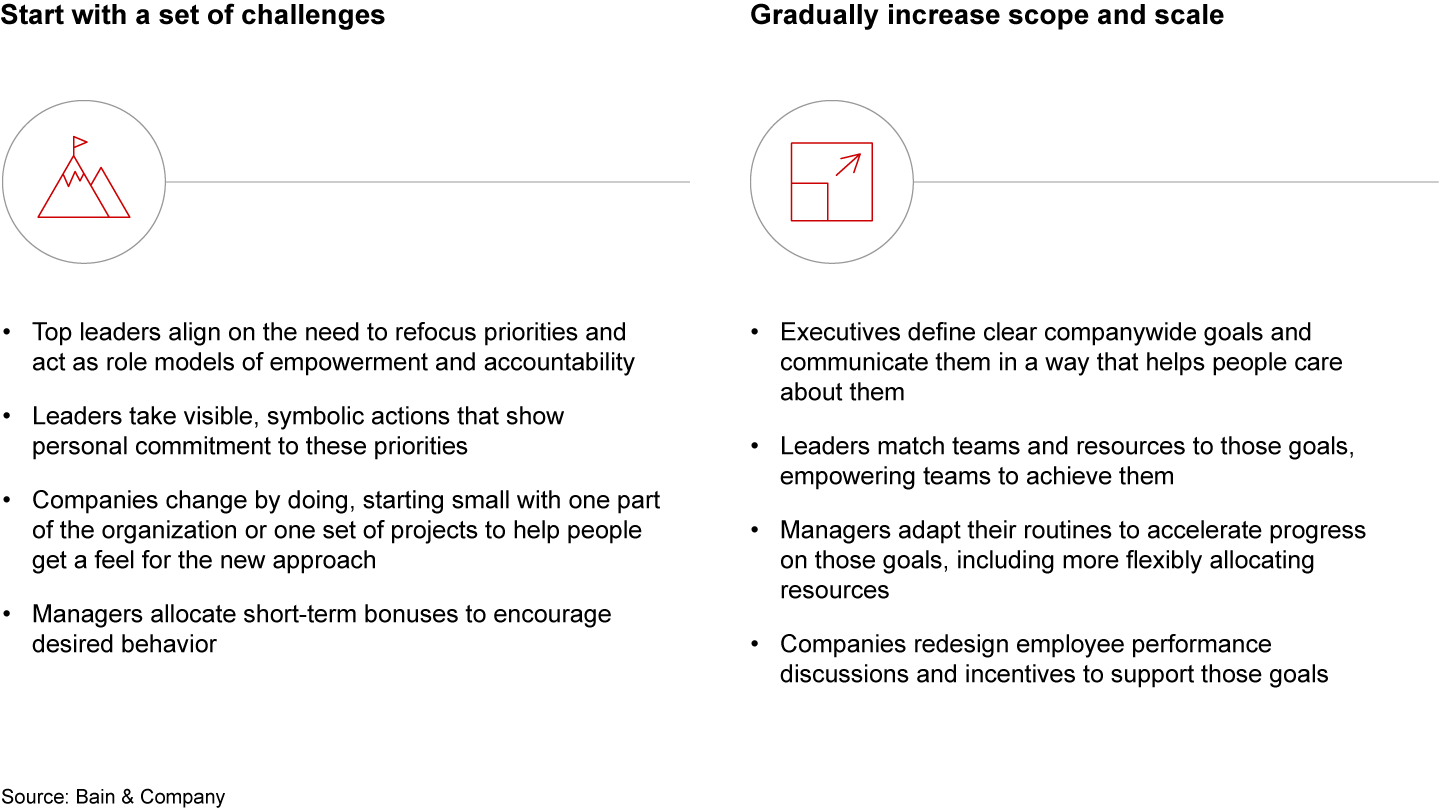
      To build a high-performance culture, first create proof of success in select parts of the organization and then replicate elsewhere over time

      Leaders serve as role models of accountability and empowerment. They build energy in the organization by taking steps that telegraph a clear break with tradition. A CEO seeking to enhance customer centricity could begin each monthly sales review not with a rundown of the latest figures but instead with 5 to 10 minutes discussing the question, “What did we learn from clients this month?”

      In companies with a history of command and control, business review meetings can be stressful, focused on identifying problems and who is at fault. Companies with a high-performance culture take a different approach, investigating what the numbers reveal about the things that need to happen to improve results. As companies evolve toward a high-performance culture with a learning orientation, people begin to feel they can succeed and do so together. Excitement develops. But it’s important to recognize that creating a high-performance culture is progressive but not linear. As cultural changes roll out, there may be times of acceleration and times of slower progress.

      A consumer packaged goods company, a former market leader, had suffered a steady decline of revenue and operating profit in parallel with the emergence of a risk-adverse, complacent culture. As part of their efforts to reignite a high-performance culture, executives realized they needed to reinvent their business performance reviews—for products, categories of products, and in some cases markets.

      While the old business reviews had become risk-averse and backward-looking, focused on positive stories, even in cases where there may have been underlying issues, today presenters use the time to ask for help with difficult challenges and focus on the things that matter for the future. This is part of a cultural shift toward a “red is good” mindset in which teams discuss problems, consider the resources they need to solve them, and make quick decisions. Leaders check in periodically to see if teams are displaying this mindset. In time, the new behaviors exhibited during business performance reviews are trickling out to other meetings, permeating and changing the culture and improving results.

      To ensure individuals and teams continue to focus on strategic goals, the company is reframing individual performance discussions across the organization. Whereas before the “nice” culture left managers reluctant to give honest feedback and mediocrity became accepted, today supervisors have been trained to be straightforward. The new philosophy is that a tough conversation reflects a commitment to the employee, a desire to help  them improve. 

      Holding people to account for their work is only fair if you have also empowered them to make decisions and given them the tools, resources, and leadership support they need. When they succeed, they should be differentially rewarded based on that success in ways that support continued growth and experimentation.

      Inspiration and inclusion 

      For a high-performance organization to maintain its momentum, executives need to ensure its people are invested in its success. This is done best with a combination of inspirational leadership and the cultivation of an inclusive culture in which people can see the importance of their personal contribution. A high-performance culture focuses on testing, learning, applying, and adjusting. High-performance organizations are willing to try new things, and sometimes fail, creating a sense of safety that can super-charge performance.

      著者
      • Headshot of Marc Berman
        Marc Berman
        Alumni, London
      • Headshot of Tracy Thurkow
        Tracy Thurkow
        パートナー, Atlanta
      • Adélaïde Hubert
        Practice Director, Paris
      関連するコンサルティングサービス
      • 組織
      コンサルティングサービス
      • Culture Change
      • HR Function Advantage
      HR Function Advantage
      The Great Talent Recalibration: How Macroeconomic Shifts Are Reshaping the CHRO Agenda

      Insights from Bain’s Chief People Officer Forum with economist Karen Harris, covering geopolitics, automation, demographic decline, and the future of global talent.

      詳細
      組織
      When a New Organizational Structure Isn’t Enough: How to Truly Live Your Operating Model

      The goal of any organizational redesign is for people to work differently, but that only happens if leaders invest in changing the work itself.

      詳細
      HR Function Advantage
      HR: The Hidden Accelerator of AI Adoption

      Scaling AI starts with people. Yet only half of companies involve HR in their strategy.

      詳細
      組織
      Shift to Vertical: David Haines, Group CEO, Flora Food Group

      What does it take to stay connected to your customers when scale and complexity threaten to pull you away? 

      詳細
      HR Function Advantage
      CTO Insights: How to Lead a Transformation

      We spoke with executives who have run transformations at large companies about the three most critical roles of a chief transformation officer.

      詳細
      First published in 1月 2024
      Tags
      • Culture Change
      • HR Function Advantage
      • 組織

      クライアント支援事例

      組織 An Energy Company Maintains Its Cultural Spark amid Multiple Acquisitions

      ケーススタディを見る

      戦略 A Bold New Strategy Restores a Bank to a Leadership Position

      ケーススタディを見る

      Full Potential Transformation An Airline’s Journey from Insolvency to Profitability

      ケーススタディを見る

      お気軽にご連絡下さい

      私達は、グローバルに活躍する経営者が抱える最重要経営課題に対して、厳しい競争環境の中でも成長し続け、「結果」を出すために支援しています。

      ベインの知見。競争が激化するグローバルビジネス環境で、日々直面するであろう問題について論じている知見を毎月お届けします。

      *プライバシーポリシーの内容を確認し、合意しました。

      プライバシーポリシーをご確認頂き、合意頂けますようお願い致します。
      Bain & Company
      お問い合わせ Sustainability Accessibility Terms of use Privacy Cookie Policy Sitemap Log In

      © 1996-2026 Bain & Company, Inc.

      お問い合わせ

      How can we help you?

      • ビジネスについて
      • プレス報道について
      • 採用について
      全てのオフィス