

論説

概要
- Most signs indicate that private equity’s record-setting performance in recent years is about to collide with the end of the business cycle.
- Uncertainty around inflation and asset valuations has slowed deal pipelines, and first-half data already shows a sharp decrease in exit and fund-raising activity.
- Smart investors aren’t waiting for more clarity; they are already running downturn scenarios against their portfolios and making critical adjustments to their due diligence approach.
Inflation topping 9%. Skidding stock markets. Sharply rising interest rates. After the private equity (PE) industry’s past 18 months of record-breaking performance, the next 18 are shaping up to be considerably more challenging.
Our crystal ball is as cloudy as anybody else’s, and any number of factors could scramble the outlook—the war in Ukraine and election-year politics, to name just two. But signs suggest that we are approaching the end of the business cycle, and at midyear, we’re already seeing a slowdown in private markets.
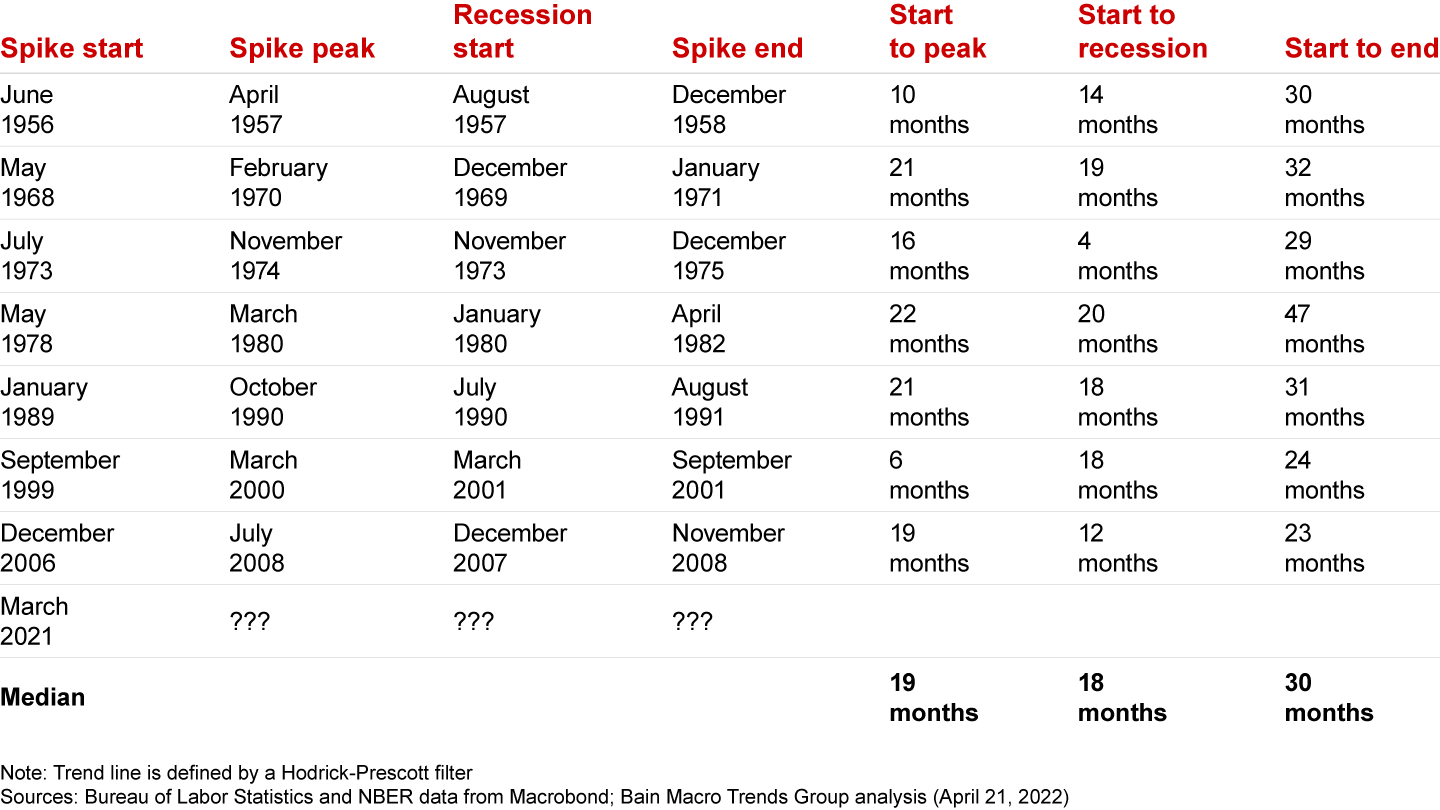
Smart investors would be wise to pay attention to the duration of inflationary spikes over time. Looking at the pattern since 1956, a sharp rise in consumer prices triggers a recession (either because rising prices quash demand or the Federal Reserve does so with rate increases), which then brings the inflation rate back down again. This is in no way a forecast, and there’s no guarantee the pattern will repeat in the current cycle. But if we take the median timeline of these events and apply it today, the current inflation spike could precipitate a recession that starts in September, peaks in October, and then drops back to the long-term trend by September 2023 (see Figure 1).
Figure 1a
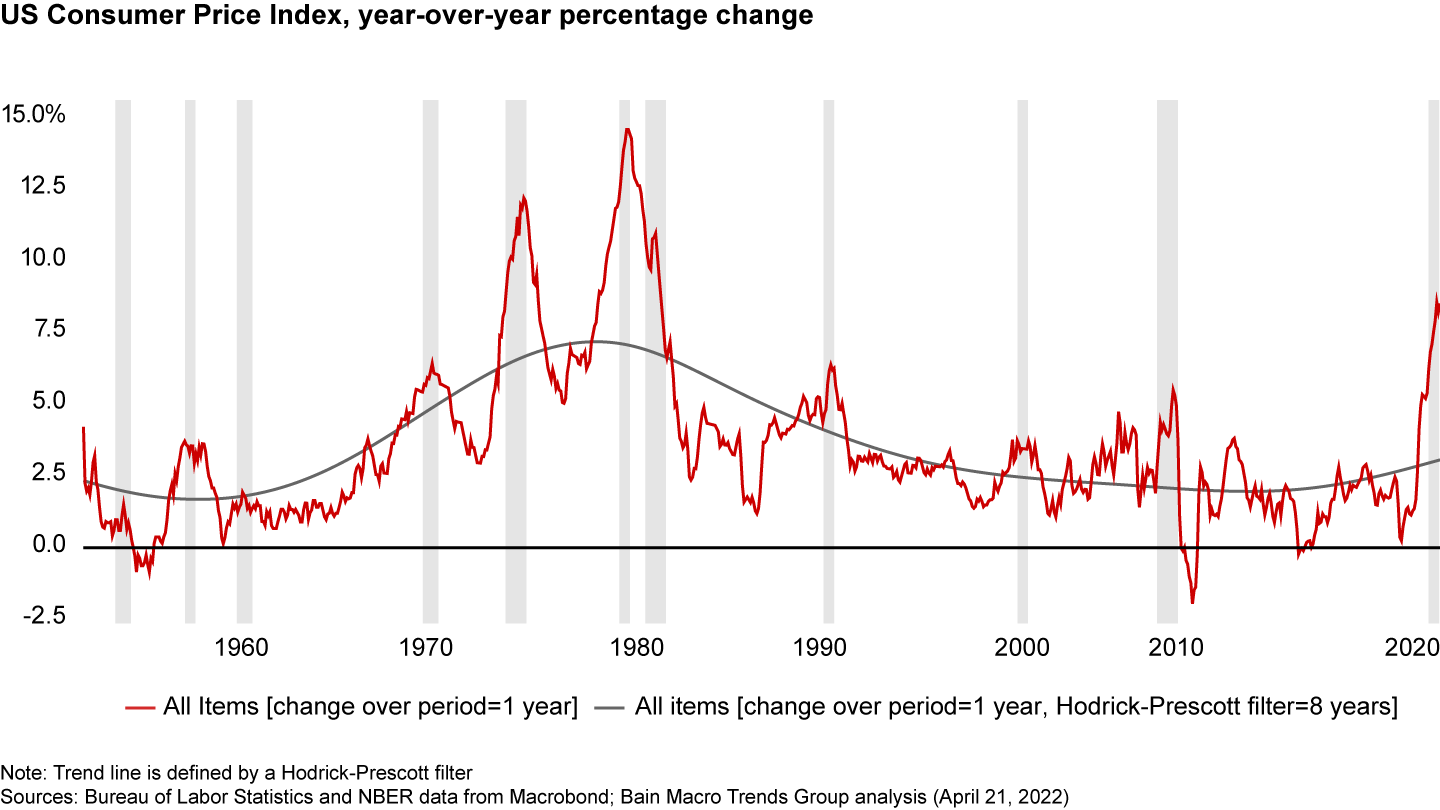

Figure 1b

The simple math suggests that if firms aren’t already running inflation and recession scenarios against the companies they own or are looking to buy, they’re courting trouble. An industry that has never had to cope with surging inflation before is suddenly getting a crash course in how to manage through it.
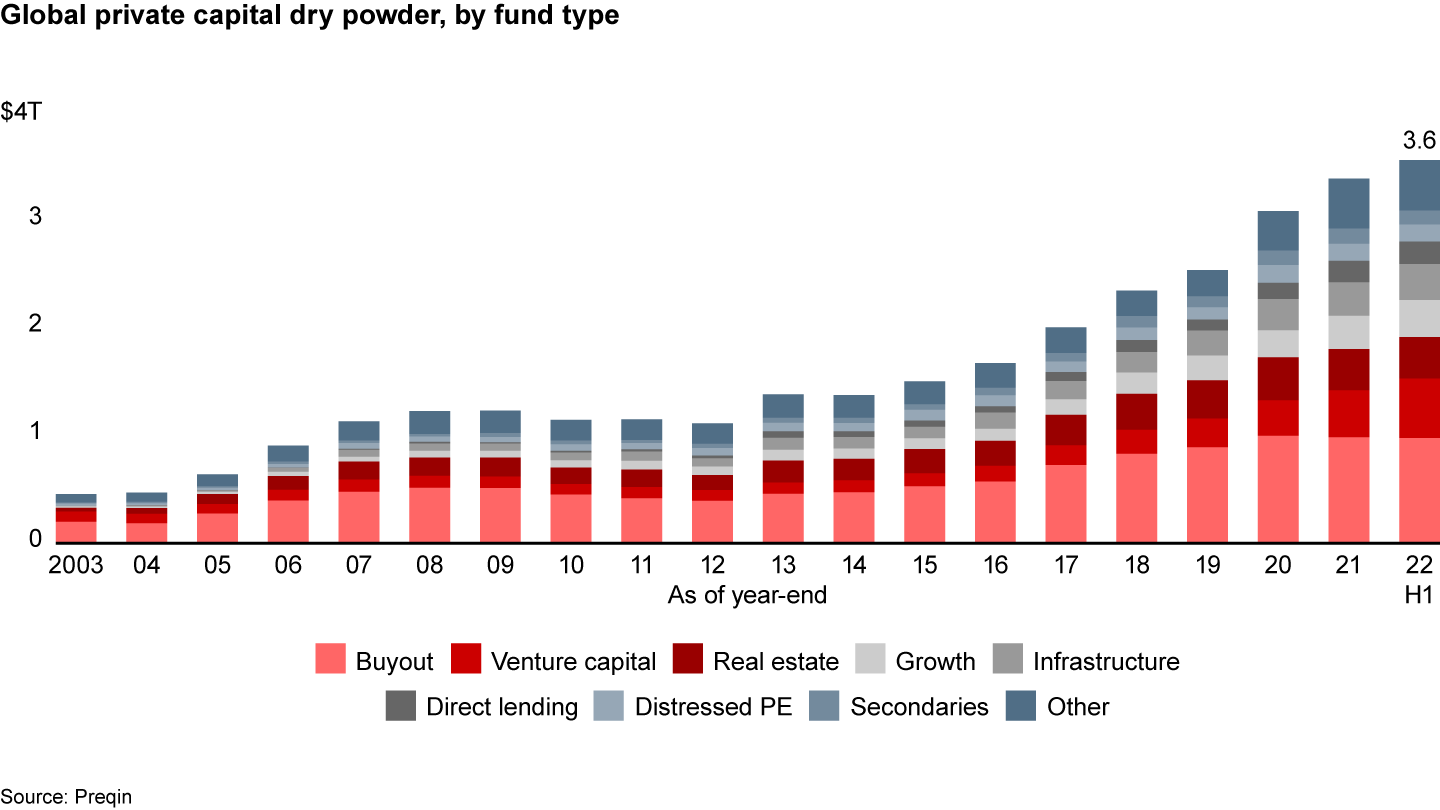
The good news is that inflation-recession cycles can be relatively short lived. And the long-term outlook for private equity remains as strong as ever. Limited partners (LPs) have consistently signaled their intent to maintain or increase PE allocations. They remain confident in the fact that PE returns outpace other asset classes. With $3.6 trillion in dry powder generating fees, general partners (GPs) are well positioned to ride out a downturn and prepare for the recovery (see Figure 2). And that can spell opportunity: Deals done coming out of recessions tend to deliver strong returns, something both GPs and LPs learned in the wake of the global financial crisis.
Figure 2

In the short-term, however, it’s likely to get choppy. Here’s a look at what’s in the first-half data.
Investments
Globally, private equity generated $512 billion in buyout deal value during the first half of 2022, putting it on pace to produce the second-highest annual total ever (behind 2021’s all-time record). The 18-month total of $1.7 trillion is by far the strongest year and a half in the industry’s history (see Figure 3). Average deal size remained close to $1 billion in the first half, and deal count was robust.
Figure 3a
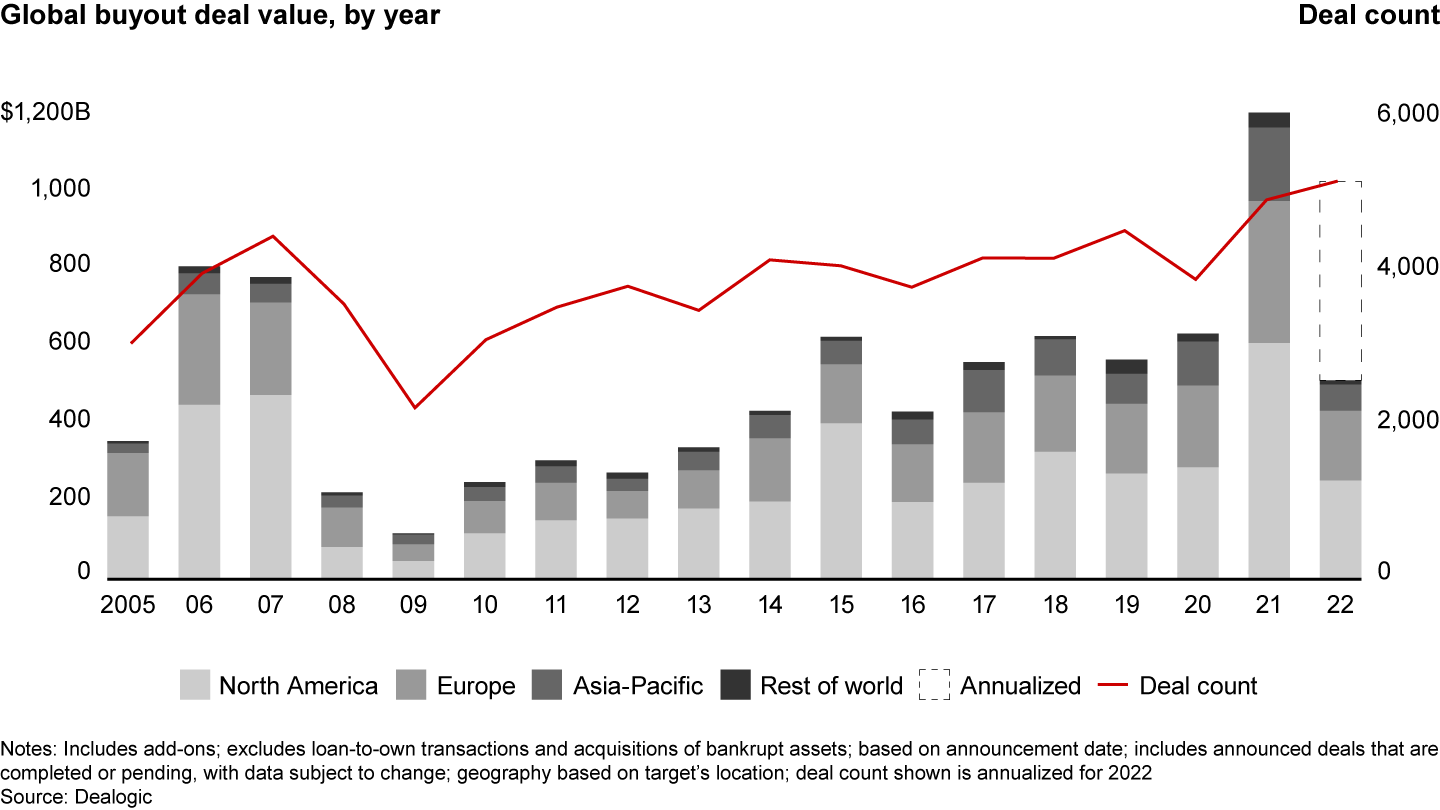

Figure 3b
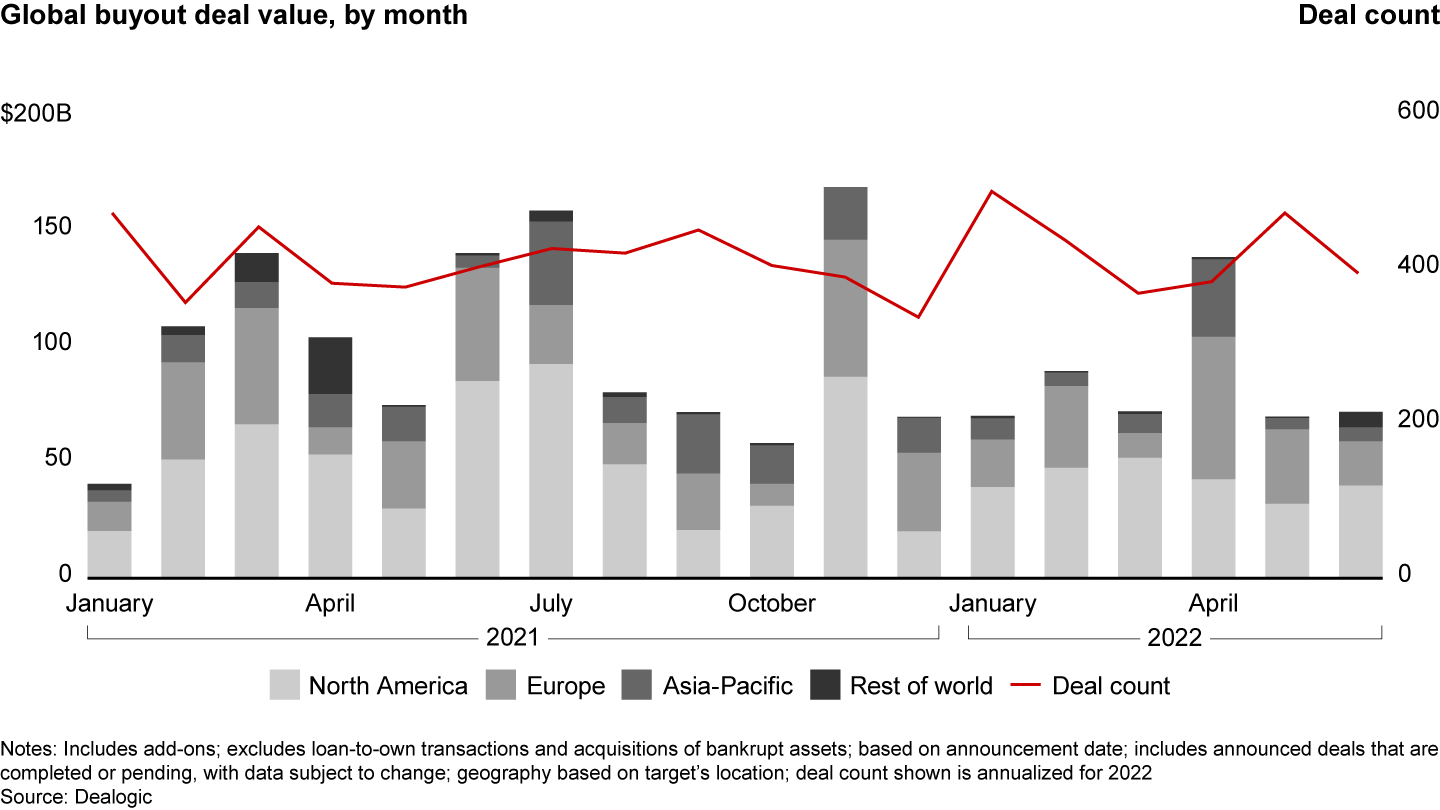

Yet as we shift into the year’s second half, activity is slowing down. Deal pipelines in many sectors are softening, in technology especially, and debt is becoming more expensive. Facing losses on loans committed before the slowdown, banks are asking a lot more questions about a company’s exposure to inflation and rising rates, making it harder to close transactions. There’s always a lag in private mark-to-market reporting, but indications are that private multiples are heading lower, taking their cue from the recent slide in public valuations. That’s amplifying uncertainty (always a bad word when it comes to getting deals done), causing buyers and sellers to have increasing trouble aligning on price as buyers look for slack multiples and sellers wait for a better time to sell.
Uncertainty around inflation and technology valuations should have the most impact on US and tech investors since they have led the market’s recent surge. Europe is less sensitive to tech trends, but the continent faces its own brew of uncertainty, including inflation concerns and disruption associated with the war in Ukraine, particularly in energy markets. Asia is a mixed bag. Covid-19–related shutdowns in China, the largest PE market in the region, have roiled deal markets. Yet other markets, such as South Korea and Japan, are holding up well so far.
Exits
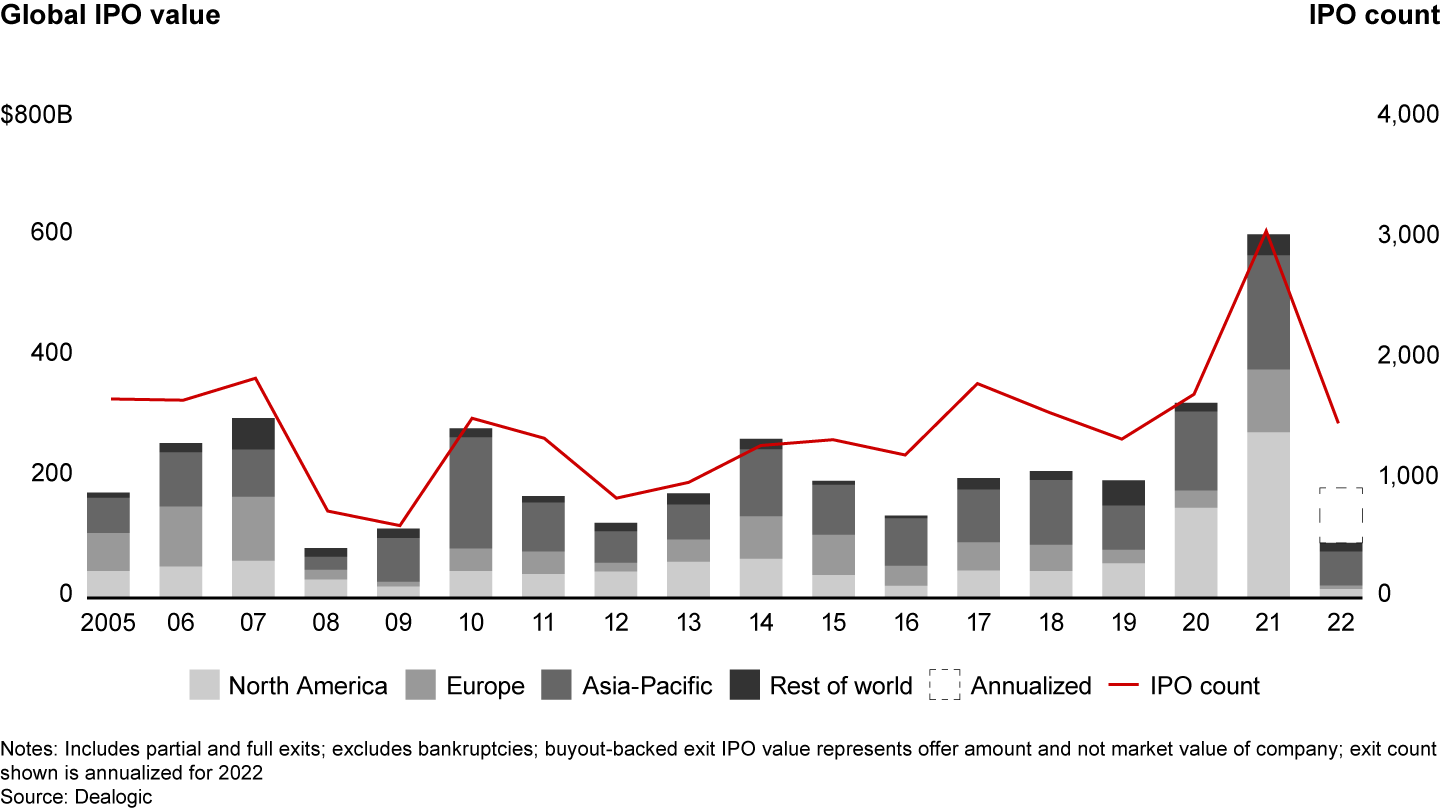
Public market woes in 2022 have already had an impact on exits given that the market for initial public offerings (IPOs) has all but dried up. Global buyout-backed exit value hit $338 billion in the first six months of the year, a decline of 37% from the same period a year ago (see Figure 4a). Global IPO value, including buyout-backed and other, came in at $91 billion, a 73% decline vs. the first half of 2021 (see Figure 4b). As this period of turbulence wears on, the slowdown will likely extend to exits across the board. Notably, the first-half buyout number does not include exits in growth equity and venture capital investments, where the drop in technology valuations will have the largest impact.
Figure 4a
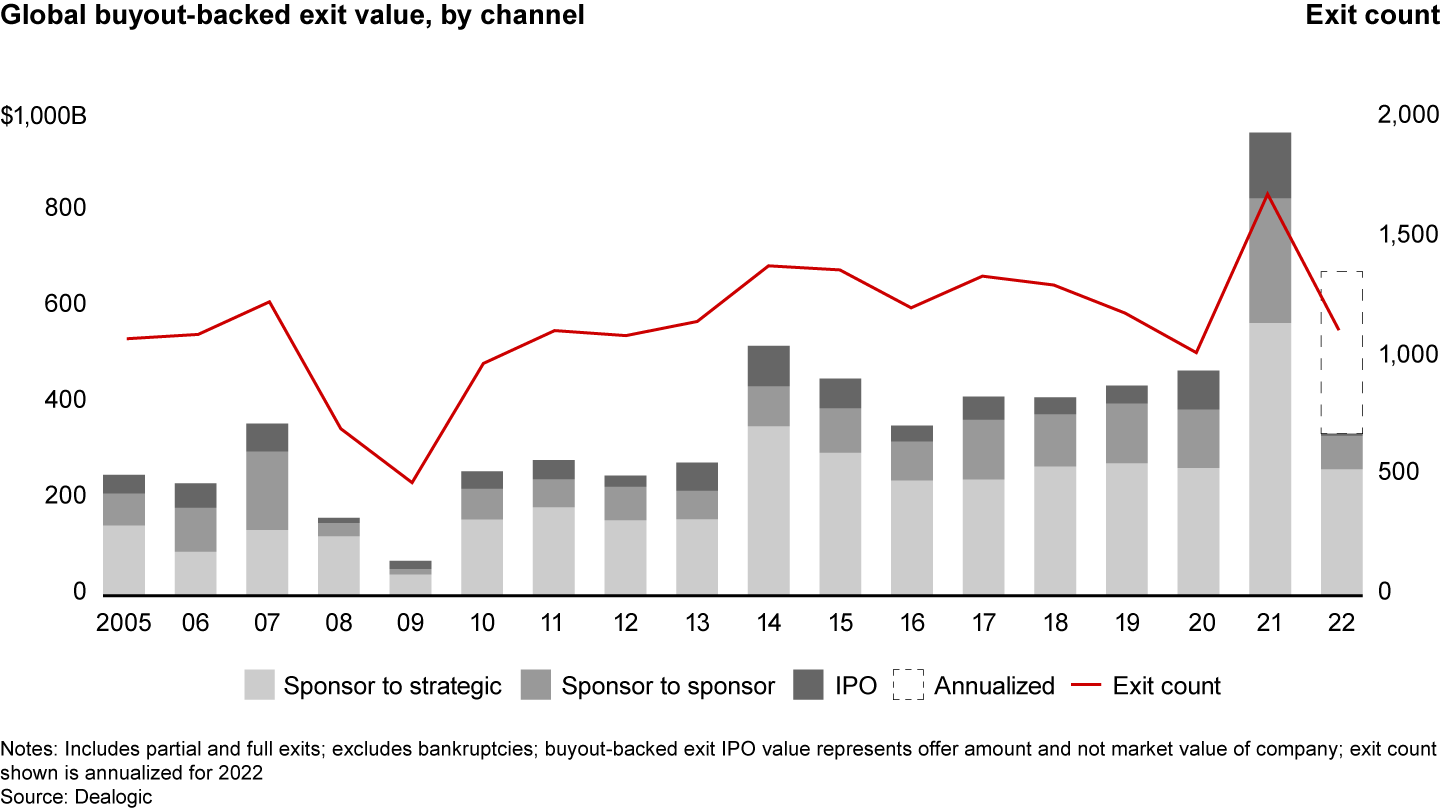

Figure 4b

The exit falloff will increase average portfolio hold periods and slow distributions to LPs. One thing that could mitigate that trend would be the continued rise of the secondaries market as GPs and LPs both look for ways to increase liquidity.
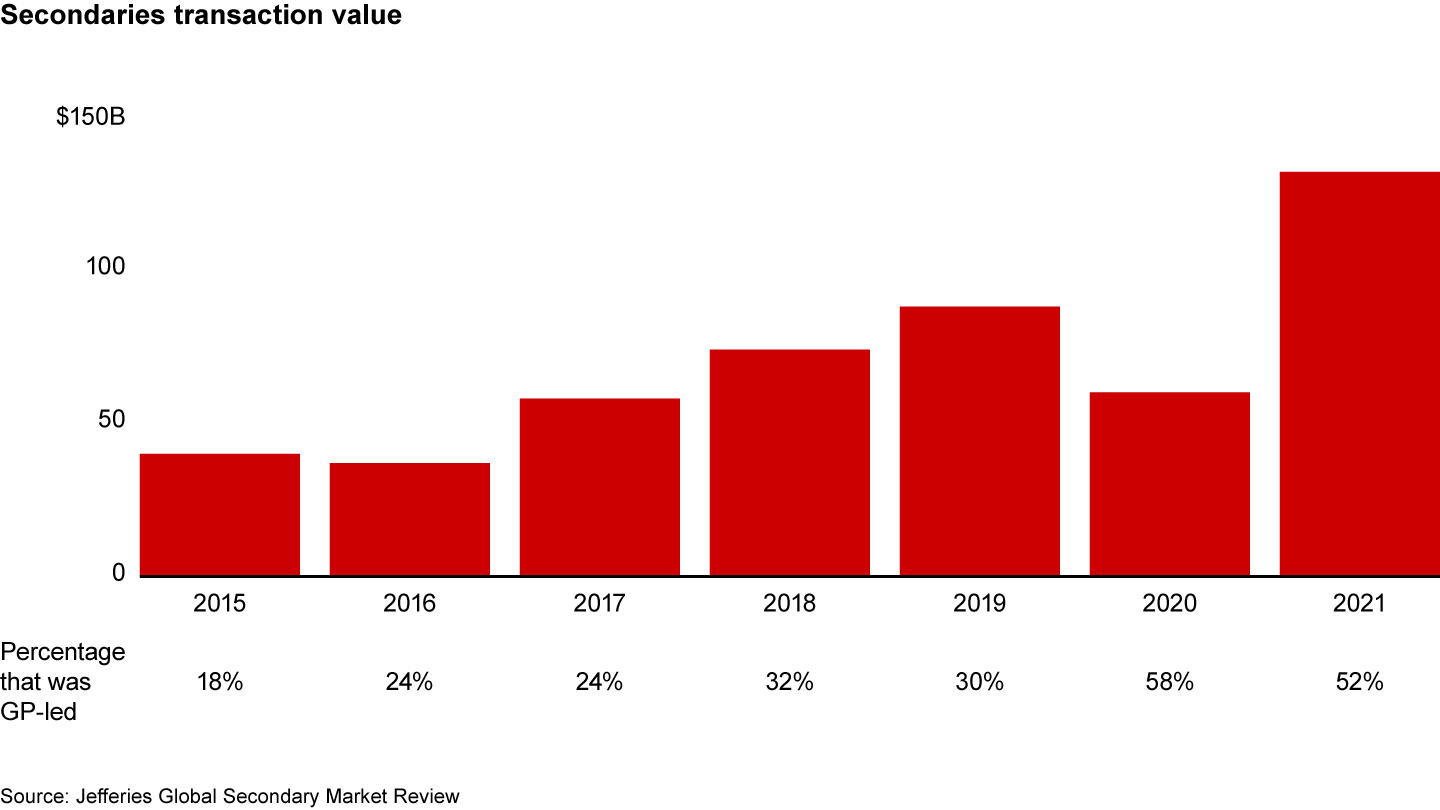
Secondaries first emerged as a way for LPs to sell off stakes in PE funds to manage their own allocations. But GPs have embraced the market as a way to monetize stakes in a company or companies that they don’t want to exit completely even as they try to satisfy investor commitments. The volume of secondary transactions grew from $40 billion in 2015 to $132 billion in 2021, with the share of GP-led deals increasing steadily (see Figure 5). That won’t make up for the broad decline in exits, but it will help support cash flows.
Figure 5

The growth in secondaries has not been without controversy, however. Critics have complained that various flavors of these deals have taken place too early in the hold period and disproportionately benefit GPs. Despite this, secondaries are poised to keep growing as GPs and LPs seek liquidity in a stagnant deal market. The question is whether market mechanisms will work to make the terms more equitable as scrutiny increases and GPs feel more pressure to get deals done.
Fund-raising
A number of large funds were still able to close during the first half of 2022, but global fund-raising showed a sharp decline, especially among buyout funds. Private capital raised globally came in at $645 billion vs. $789 billion during the first half of 2021. Buyout fund-raising dropped from $284 billion to $138 billion for the same time period (see Figure 6).
Figure 6
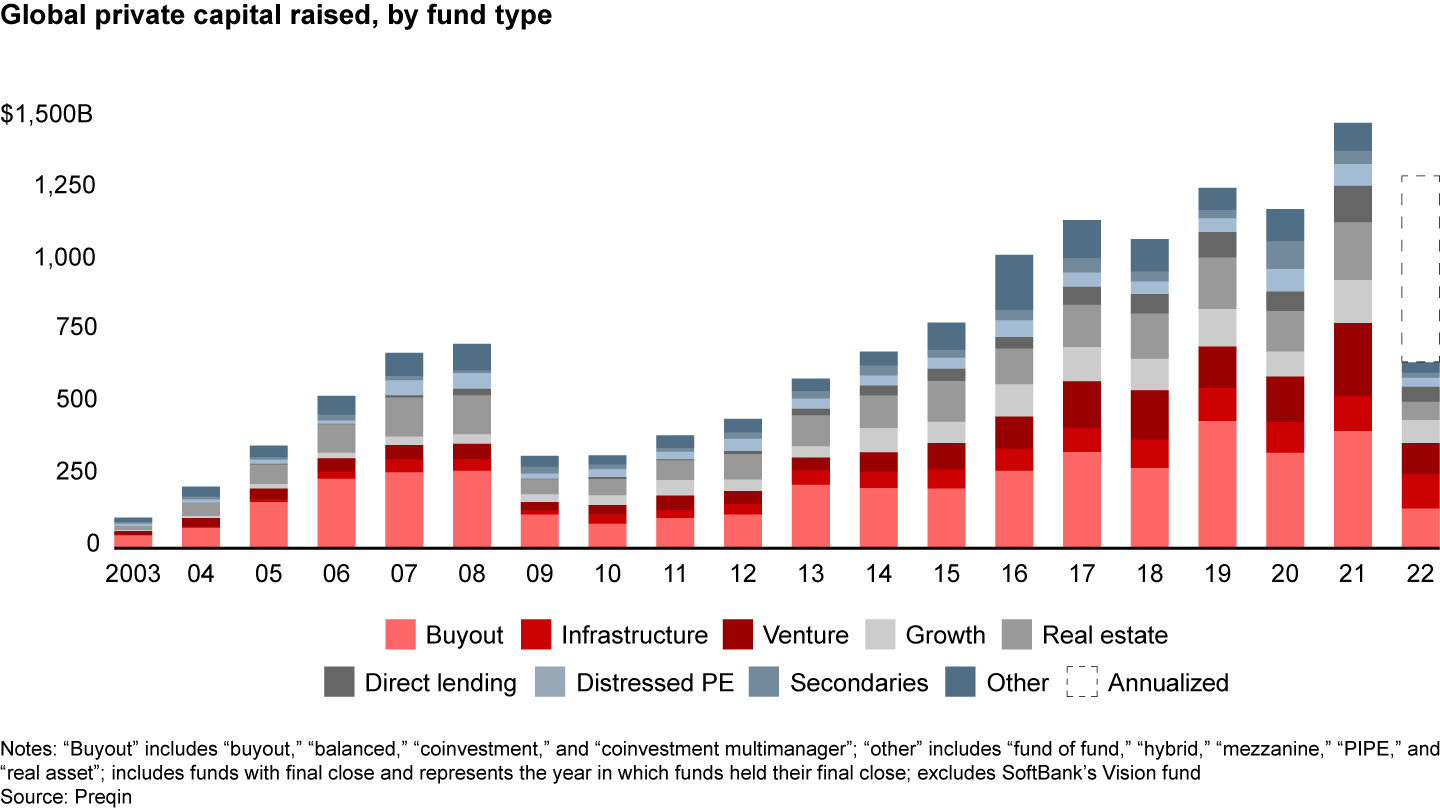

The decline was predictable given the record-setting pace of fund-raising in recent years. GPs have been circling back for cash and ever larger funds at an accelerating pace in recent years (every two years vs. every four). Yet the recent squeeze on exits has reduced the amount of cash flowing back to LPs. And the prospect of a recession, which could force GPs to hold onto assets longer, is causing LPs to rethink commitments in the short term. There’s also the “denominator effect,” stemming from the fact that declines in public valuations have yet to be fully matched by private marks. That magnifies the PE slice of an LP’s overall asset allocation pie (and therefore discourages new investments).
Storm management
So, what does this turbulent short-term outlook signal for fund managers? As we noted earlier, investors remain staunchly committed to private equity, and past lessons have taught them the value of waiting out the storm. If the economy tips toward recession, it will inevitably have an impact on the internal rate of return (IRR) from investments made coming into the downturn. Yet the IRR from investments made during recovery years has consistently outperformed the long-term averages, especially investments in top-quartile deals (see Figure 7).
Figure 7
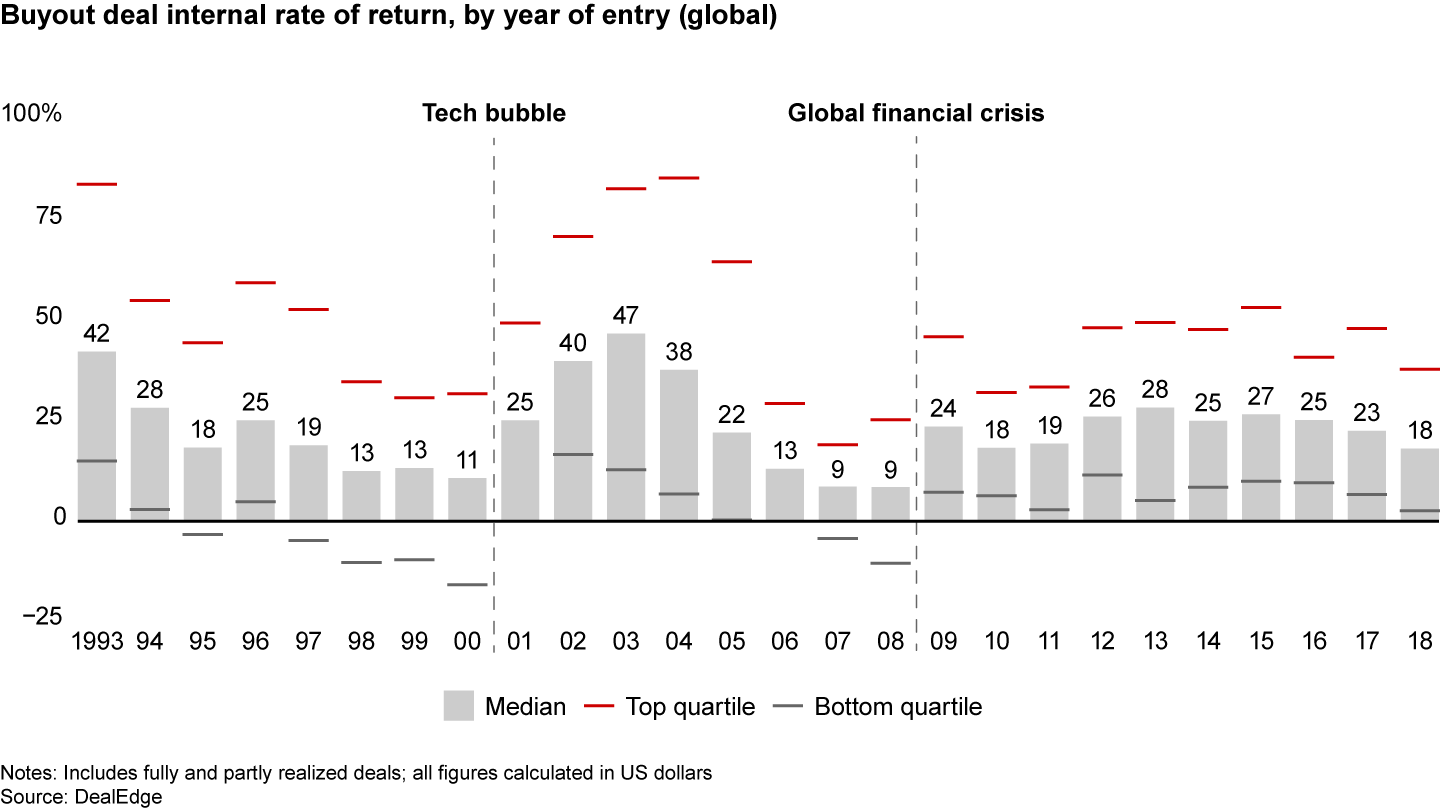

This doesn’t suggest there will be anything easy or automatic about managing through this period of inflation. As we discussed at length in Bain’s Global Private Equity Report 2022, rising interest rates have an inverse relationship with asset prices. That means the current environment poses a dual threat for fund managers—namely, rising costs for portfolio companies and muted multiple expansion during ownership. That’s why top-tier funds are already deep into planning mode to gird portfolio companies against rising prices while modifying their approach to due diligence to account for the many risks associated with inflation.
Successfully negotiating the current environment will require controlling what you can as an investor. It will be essential to help management wring out revenue gains, preserve (and even expand) margins, and manage cash on the balance sheet. At the same time, it will be important to help future-proof the business by focusing on key initiatives such as environmental, social, and corporate governance. In a time of inflation, firms will have to make several adjustments to due diligence:
- Plan for scenarios, not certainties. While it’s impossible to say with any confidence how the current downturn will unfold, that doesn’t mean you are flying blind. Fund managers should already be developing a deep understanding of the most likely scenarios for their industries and pressure-testing both portfolio and target company prospects against them.
- Avoid the straight-line mistake. In calmer markets, funds could get away with assuming that past performance at a company was predictive of future trajectory. But that could be a trap in the current environment. Was rapid growth over the past three years a sign of real strength or the anomalous impact of inflation? Making the right call means doing the work to find out.
- Disaggregate price and volume. The best diligence always did this, but again, some funds have gotten away without it in the past. Now, understanding volumetric trends is essential because price volatility can easily distort the picture.
- Look for inflation winners. Which companies can pass on rising costs to customers without skipping a beat? Those businesses will benefit disproportionately in the current environment. For some companies, this is a function of market leadership (which you’ll pay for), but for others, it may be less obvious. One industrial company in a recent due diligence seemingly had broad exposure to increases in labor, fuel, and materials costs. But with a little digging, it became clear that its contracts were indexed to inflation, giving it the ability pass on costs to customers. There would be a 12-month lag, since the index was backward looking, but the company had strategies in place to bridge the gap, enhancing its attractiveness as a target. If a company simply can’t protect margins, walk away from the deal.
- Challenge your intuition about market growth. Inflation changes everything when it comes to growth. A consumer packaged goods company growing at 3% would have been quite healthy in 2019. That’s no longer the case. Likewise, a tech company with 10% revenue growth is not clearly a standout in an inflationary environment.
The takeaway here is that PE funds need to manage proactively to anticipate change and get ahead of it. That will be critical in weathering this period of turbulence and taking full advantage of the recovery to come. Data shows that the industry has relied disproportionally on multiple expansion to support returns over the past two decades, but that won’t work in a period of inflation. Top-tier performance moving forward will depend on nuts-and-bolts value creation and a clear understanding of how to manage effectively during a period of rising prices.

High Inflation and PE Deal Performance
Read DealEdge’s case study on how PE deal performance changed during high inflation in 1989-91 as well as the drivers behind the overall performance picture. DealEdge® is the private equity industry’s leading provider of deal-level performance and operational analytics. With DealEdge you can tell the story of your performance using their sector-specific deal benchmarks based on data for 37K+ transactions mapped against 560+ subsectors.
First published in 7月 2022