
Skip to Content
  • オフィス

    オフィス

    北米・南米
    • Atlanta
    • Austin
    • Bogota
    • Boston
    • Buenos Aires
    • Chicago
    • Dallas
    • Denver
    • Houston
    • Los Angeles
    • Mexico City
    • Minneapolis
    • Monterrey
    • Montreal
    • New York
    • Rio de Janeiro
    • San Francisco
    • Santiago
    • São Paulo
    • Seattle
    • Silicon Valley
    • Toronto
    • Washington, DC
    ヨーロッパ・中東・アフリカ
    • Amsterdam
    • Athens
    • Berlin
    • Brussels
    • Copenhagen
    • Doha
    • Dubai
    • Dusseldorf
    • Frankfurt
    • Helsinki
    • Istanbul
    • Johannesburg
    • Kyiv
    • Lisbon
    • London
    • Madrid
    • Milan
    • Munich
    • Oslo
    • Paris
    • Riyadh
    • Rome
    • Stockholm
    • Vienna
    • Warsaw
    • Zurich
    アジア・オーストラリア
    • Bangkok
    • Beijing
    • Bengaluru
    • Brisbane
    • Ho Chi Minh City
    • Hong Kong
    • Jakarta
    • Kuala Lumpur
    • Manila
    • Melbourne
    • Mumbai
    • New Delhi
    • Perth
    • Shanghai
    • Singapore
    • Sydney
    • Tokyo
    全てのオフィス
  • アルムナイ
  • メディア
  • お問い合わせ
  • 東京オフィス
  • Japan | 日本語

    地域と言語を選択

    グローバル
    • Global (English)
    北米・南米
    • Brazil (Português)
    • Argentina (Español)
    • Canada (Français)
    • Chile (Español)
    • Colombia (Español)
    ヨーロッパ・中東・アフリカ
    • France (Français)
    • DACH Region (Deutsch)
    • Italy (Italiano)
    • Spain (Español)
    • Greece (Elliniká)
    アジア・オーストラリア
    • China (中文版)
    • Korea (한국어)
    • Japan (日本語)
  • Saved items (0)
    Saved items (0)

    You have no saved items.

    後で閲読、共有できるようにするためにブックマークしてください

    Explore Bain Insights
  • 業界別プラクティス
    メインメニュー

    業界別プラクティス

    • 航空宇宙、防衛、政府関連
    • 農業
    • 化学製品
    • インフラ、建設
    • 消費財
    • 金融サービス
    • ヘルスケア
    • 産業機械、設備
    • メディア、エンターテインメント
    • 金属
    • 採掘・鉱業
    • 石油、ガス
    • 紙、パッケージ
    • プライベートエクイティ
    • 公共、社会セクター
    • 小売
    • テクノロジー
    • 通信
    • 交通
    • 観光産業
    • 公益事業、再生可能エネルギー
  • 機能別プラクティス
    メインメニュー

    機能別プラクティス

    • カスタマー・エクスペリエンス
    • サステイナビリティ、 社会貢献
    • Innovation
    • 企業買収、合併 (M&A)
    • オペレーション
    • 組織
    • プライベートエクイティ
    • マーケティング・営業
    • 戦略
    • アドバンスド・アナリティクス
    • Technology
    • フルポテンシャル・トランスフォーメーション
  • Digital
  • 知見/レポート
  • ベイン・アンド・カンパニーについて
    メインメニュー

    ベイン・アンド・カンパニーについて

    • ベインの信条
    • 活動内容
    • 社員とリーダーシップ
    • プレス・メディア情報
    • クライアントの結果
    • 受賞歴
    • パートナーシップを結んでいる団体
    Further: Our global responsibility
    • ダイバーシティ
    • 社会貢献
    • サステイナビリティへの取り組み
    • 世界経済フォーラム(WEF)
    Learn more about Further
  • キャリア
    メインメニュー

    キャリア

    • ベインで働く
      キャリア
      ベインで働く
      • Find Your Place
      • ベインで活躍する機会
      • ベインのチーム体制
      • 学生向けページ
      • インターンシップ
      • 採用イベント
    • ベインでの体験
      キャリア
      ベインでの体験
      • キャリアストーリー
      • 社員紹介
      • Where We Work
      • 成長を後押しするサポート体制
      • アフィニティ・グループ
      • 福利厚生
    • Impact Stories
    • 採用情報
      キャリア
      採用情報
      • 採用プロセス
      • 面接内容
    FIND JOBS
  • オフィス
    メインメニュー

    オフィス

    • 北米・南米
      オフィス
      北米・南米
      • Atlanta
      • Austin
      • Bogota
      • Boston
      • Buenos Aires
      • Chicago
      • Dallas
      • Denver
      • Houston
      • Los Angeles
      • Mexico City
      • Minneapolis
      • Monterrey
      • Montreal
      • New York
      • Rio de Janeiro
      • San Francisco
      • Santiago
      • São Paulo
      • Seattle
      • Silicon Valley
      • Toronto
      • Washington, DC
    • ヨーロッパ・中東・アフリカ
      オフィス
      ヨーロッパ・中東・アフリカ
      • Amsterdam
      • Athens
      • Berlin
      • Brussels
      • Copenhagen
      • Doha
      • Dubai
      • Dusseldorf
      • Frankfurt
      • Helsinki
      • Istanbul
      • Johannesburg
      • Kyiv
      • Lisbon
      • London
      • Madrid
      • Milan
      • Munich
      • Oslo
      • Paris
      • Riyadh
      • Rome
      • Stockholm
      • Vienna
      • Warsaw
      • Zurich
    • アジア・オーストラリア
      オフィス
      アジア・オーストラリア
      • Bangkok
      • Beijing
      • Bengaluru
      • Brisbane
      • Ho Chi Minh City
      • Hong Kong
      • Jakarta
      • Kuala Lumpur
      • Manila
      • Melbourne
      • Mumbai
      • New Delhi
      • Perth
      • Shanghai
      • Singapore
      • Sydney
      • Tokyo
    全てのオフィス
  • アルムナイ
  • メディア
  • お問い合わせ
  • 東京オフィス
  • Japan | 日本語
    メインメニュー

    地域と言語を選択

    • グローバル
      地域と言語を選択
      グローバル
      • Global (English)
    • 北米・南米
      地域と言語を選択
      北米・南米
      • Brazil (Português)
      • Argentina (Español)
      • Canada (Français)
      • Chile (Español)
      • Colombia (Español)
    • ヨーロッパ・中東・アフリカ
      地域と言語を選択
      ヨーロッパ・中東・アフリカ
      • France (Français)
      • DACH Region (Deutsch)
      • Italy (Italiano)
      • Spain (Español)
      • Greece (Elliniká)
    • アジア・オーストラリア
      地域と言語を選択
      アジア・オーストラリア
      • China (中文版)
      • Korea (한국어)
      • Japan (日本語)
  • Saved items  (0)
    メインメニュー
    Saved items (0)

    You have no saved items.

    後で閲読、共有できるようにするためにブックマークしてください

    Explore Bain Insights
  • 業界別プラクティス
    • 業界別プラクティス

      • 航空宇宙、防衛、政府関連
      • 農業
      • 化学製品
      • インフラ、建設
      • 消費財
      • 金融サービス
      • ヘルスケア
      • 産業機械、設備
      • メディア、エンターテインメント
      • 金属
      • 採掘・鉱業
      • 石油、ガス
      • 紙、パッケージ
      • プライベートエクイティ
      • 公共、社会セクター
      • 小売
      • テクノロジー
      • 通信
      • 交通
      • 観光産業
      • 公益事業、再生可能エネルギー
  • 機能別プラクティス
    • 機能別プラクティス

      • カスタマー・エクスペリエンス
      • サステイナビリティ、 社会貢献
      • Innovation
      • 企業買収、合併 (M&A)
      • オペレーション
      • 組織
      • プライベートエクイティ
      • マーケティング・営業
      • 戦略
      • アドバンスド・アナリティクス
      • Technology
      • フルポテンシャル・トランスフォーメーション
  • Digital
  • 知見/レポート
  • ベイン・アンド・カンパニーについて
    • ベイン・アンド・カンパニーについて

      • ベインの信条
      • 活動内容
      • 社員とリーダーシップ
      • プレス・メディア情報
      • クライアントの結果
      • 受賞歴
      • パートナーシップを結んでいる団体
      Further: Our global responsibility
      • ダイバーシティ
      • 社会貢献
      • サステイナビリティへの取り組み
      • 世界経済フォーラム(WEF)
      Learn more about Further
  • キャリア
    人気検索キーワード
    • デジタル
    • 戦略
    前回の検索
      最近訪れたページ

      Content added to saved items

      Saved items (0)

      Removed from saved items

      Saved items (0)

      論説

      Solving the New Equation for Advanced Analytics Talent

      Solving the New Equation for Advanced Analytics Talent

      With the supply of talent growing fast, make the most of opportunities inside and outside your company.

      著者:Chris Brahm, Arpan Sheth, Velu Sinha, and Jessica Dai

      • min read
      }

      論説

      Solving the New Equation for Advanced Analytics Talent
      en
      概要
      • In the next two years, the global supply of advanced analytics talent will double, with India’s talent pool growing especially quickly.
      • In the US, talent shortages will persist for experienced hires and certain key jobs, like data engineers and architects.
      • Companies will struggle to hire experts away from the analytically mature sectors that are the most attractive to employees and that themselves plan to expand quickly.
      • A successful tiered talent strategy incorporates new hires and internal retraining, while also tapping data hubs, third-party service firms and crowdsourcing.

      Innovation in analytics is a priority for almost every organization today. Yet bottlenecks in the key areas of talent, data and analytics strategy often block progress. In order to better understand the talent bottleneck and how to release it, Bain & Company assessed the global market for analytics talent—both supply and demand—interviewing practitioners and experts, reviewing job boards and professional community listings, and studying educational program statistics.

      We found a workforce on the verge of dramatic change.  

      For years, companies have been stuck chasing either a limited supply of experienced professionals or new university graduates. Today, however, the global supply of advanced analytics talent is about to explode. By 2020, the advanced analytics talent pool is expected to reach 1 million people, up from half a million in 2018.

      The growth in advanced analytics talent arises from a pivot in traditional and nontraditional education so rapid that it’s hard to find a historical precedent. The best comparison may be the 1990s, when India invested heavily in training programmers, especially in legacy systems, ahead of Y2K systems upgrades. That was when the subcontinent became the outsourcing giant it remains today.

      Once again, India is taking the lead, but this time through a combination of retraining and a flood of graduates with advanced degrees in subjects suited to advanced analytics work, like computer science and data science. By the end of 2020, Bain estimates that India will have three times as many candidates for advanced analytics work as it did in 2018, expanding from 65,000 people to more than 200,000 in just two years. The analytics talent supply will climb in China, Western Europe and North America as well, but not quite as quickly.

      This ramp-up, however, won’t entirely solve the advanced analytics talent challenge. Many countries will still have fewer analytics experts than needed. Most available advanced analytics talent has recently graduated, but people with greater tenure, who are needed to lead and manage these teams, are in short supply. The United States will suffer shortages in certain critical roles, like data engineers and architects, while facing a possible oversupply of data scientists.

      Additional long-term demand will come from sectors like retail, media, consumer goods, and industrial goods and services, as companies apply analytics capabilities to their businesses. According to Bain’s research, among banks today, slightly more than 1% of white-collar employees work in advanced analytics, on average. By contrast, technology companies average nearly 3% of staff aligned with advanced analytics, and the most analytically advanced digital native companies have 10% (see Figure 1). The business models differ greatly across these sectors, of course, but it’s clear that, in nearly every large enterprise, the analytic intensity of the employee base is increasing.

      Figure 1
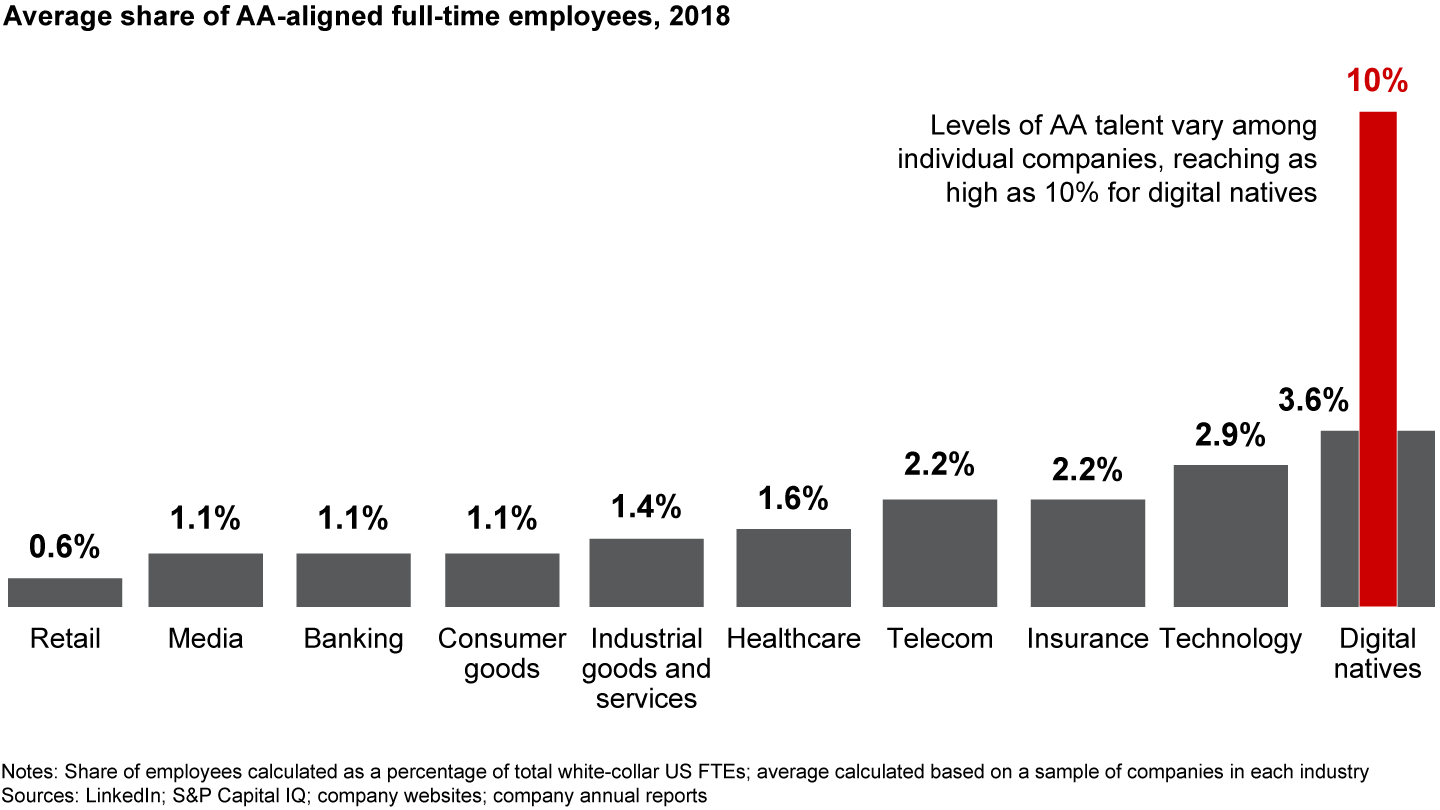
      In order to compete, all US sectors will need to increase staff aligned with advanced analytics
      In order to compete, all US sectors will need to increase staff aligned with advanced analytics
      In order to compete, all US sectors will need to increase staff aligned with advanced analytics

      Building an advanced analytics team

      Companies should not expect to fill this gap entirely by wooing experienced talent from other employers. The most analytically mature sectors plan to expand their teams fastest, and employees are most interested in working for companies with well-established track records in analytics, our recent survey of more than 200 industry participants found.

      Creative, flexible approaches for expanding the talent base include building centers of excellence for pools of hired analytics experts, and also retraining capable existing employees and giving them access to automation tools. Importantly, rather than trying to do everything in-house, a tiered talent strategy should focus a core, in-house analytics team on strategic tasks while tapping offshore data hubs, third-party service firms and crowdsourcing for other work. Even the most sophisticated companies leverage a combination of internal and external supply chains for analytics capabilities.

      What is the optimal blend of advanced analytics roles? How are teams best configured? The exact balance varies depending on the sector and maturity of a company’s analytics practice, but teams will draw from eight key roles (see Figure 2). With companies hiring to create balanced advanced analytics teams, certain skills are in higher demand.

      Figure 2
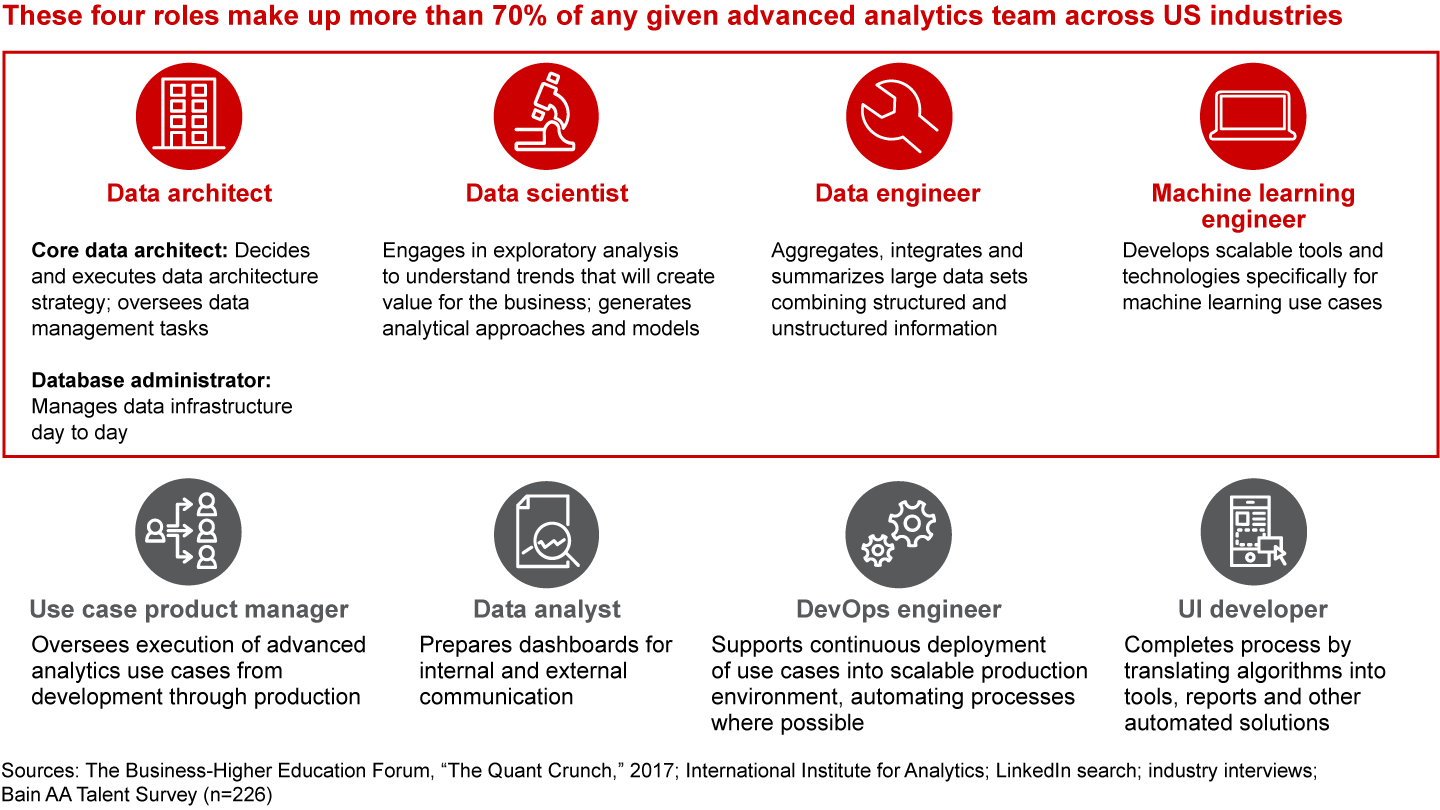
      An effective advanced analytics talent pool includes eight key roles
      An effective advanced analytics talent pool includes eight key roles
      An effective advanced analytics talent pool includes eight key roles

      A mixed global outlook

      The growth in advanced analytics–trained talent will occur primarily outside the US (see Figure 3). Long the largest market for analytics talent, the US will retain that top spot, but other global tech powers are catching up.

      Figure 3
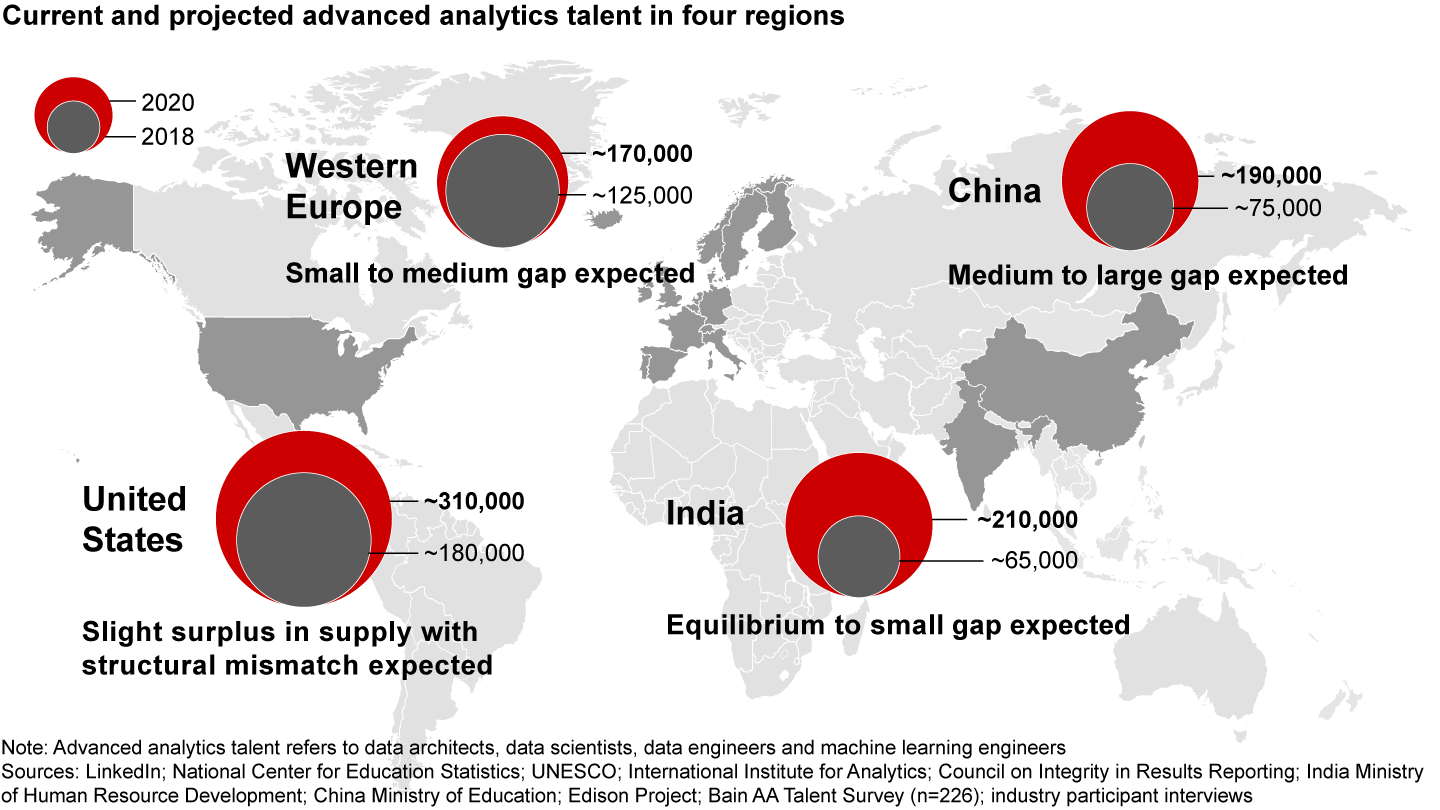
      Global advanced analytics talent is expected to double by 2020
      Global advanced analytics talent is expected to double by 2020
      Global advanced analytics talent is expected to double by 2020

      The outlook is especially bright in India, where two trends are simultaneously expanding the talent pool. First, STEM undergraduate and graduate degree holders, whose programs of study emphasize data and analytics skills, continue to join the workforce in increasing numbers. Augmenting that is India’s deep existing ecosystem in information technology, especially in programming and systems integration. Outsourcing firms and the India IT centers of global corporations house many ideal candidates for learning new advanced analytics skills. These two sources have combined to make India a vital hub of analytics expertise and have fueled the growth of its analytics outsourcing industry. 

      The future is less clear for China. Thanks to its relatively supportive regulatory environment and access to consumer data, China is often described as winning the race to dominate artificial intelligence and advanced analytics. But on advanced analytics talent, the country may need to accelerate. Recent trends point to a growing focus on talent in China, including a significant expansion in data science bachelor's degree programs and high levels of US recruiting and pay among Chinese digital natives and technology companies. Without an expansion in supply, talent could become a bottleneck, slowing analytics progress in China, especially for companies in traditional sectors.

      Breaking the talent bottleneck

      The historical shortage of analytics talent has caused many organizations to rely on a combination of internal and external advanced analytics expertise. This hybrid model also turns out to be a good match for the breadth of advanced analytics expertise needed in the future. A multilayered approach will continue to make more sense than full vertical integration for many companies. When possible, companies should develop critical mass internally in the most important aspects of advanced analytics, such as data-science team leadership and model development, and tap the external supply chain for less-critical skills, like tactical data management and model maintenance. Today, only 30% of companies are fully integrated in advanced analytics. The other 70% augment their internal skills with some combination of offshore outsourcing, freelancers, advanced analytics consultants and crowdsourcing.

      Part of developing this talent ecosystem involves harnessing shadow analytics talent—that is, taking people currently walking the halls and helping them develop new analytical skills. Existing employees already know the company, the industry and how to operate effectively across the organization. Many have the quantitative background to learn analytical skills, and nearly a quarter of Bain survey respondents report that their companies have implemented advanced analytics training programs.

      IBM’s Data Scientist Academy, for example, is an eight-day boot camp followed by individual online learning, and includes shadowing IBM data scientists and a capstone project. Airbnb’s Data University offers more than 30 classes in data awareness, collection, visualization and data at scale, and more than 500 employees (1 out of every 8) took part during the university’s first six months. Other training options include free MOOCs—massive open online courses—and paid retraining programs.

      Some companies with a good data science workbench and the right set of data engineering tools also use advanced analytics automation to enable people without strong coding skills to build models and engineer data. Of survey respondents currently using technologies to automate advanced analytics tasks, more than half say these technologies enable existing staff to be rapidly trained to take on responsibilities of a data scientist or data engineer.

      Fostering the talent ecosystem

      Embracing this tiered approach will help companies today and in the future. It allows them to tap into the rapidly growing global talent supply and to create a more flexible model, all while leaving room to redeploy existing talent in new and creative ways. Companies cannot afford to let a bottleneck in analytics talent slow them down, and they don’t have to.

      Chris Brahm is a Bain & Company partner in San Francisco and leads the firm’s Global Advanced Analytics practice. Arpan Sheth is a Bain partner based in the Bangalore office and leads the firm’s Information Technology practice in Asia-Pacific. Velu Sinha is a Bain partner in Shanghai, and Jessica Dai is a principal based in San Francisco.

      著者
      • Headshot of Chris Brahm
        Chris Brahm
        Alumni, San Francisco
      • Headshot of Arpan Sheth
        Arpan Sheth
        パートナー, Washington, DC
      • Headshot of Velu Sinha
        Velu Sinha
        パートナー, Austin
      • Jessica Dai
        Alumni, San Francisco
      関連するコンサルティングサービス
      • アドバンスド・アナリティクス
      アドバンスド・アナリティクス
      How AI Is Starting to Transform Circular Packaging

      There are 15 AI use cases companies across the value chain can use today to accelerate circularity.

      詳細
      アドバンスド・アナリティクス
      How Life Sciences Leaders Are Widening the AI Capability Gap

      Most pharma and medtech companies agree that a strong data foundation is table stakes. Few invest equally in the behaviors needed to move from pilots to adoption.

      詳細
      アドバンスド・アナリティクス
      Exploring AI for Packaging Circularity

      AI is already creating value across the packaging lifecycle, from optimising design and reducing material use to improving sorting and traceability.

      詳細
      アドバンスド・アナリティクス
      What Business Leaders Need to Know About AI Sovereignty

      Aligning business strategy with national AI priorities is necessary to compete and scale.

      詳細
      アドバンスド・アナリティクス
      The Rise of the Canadian Venture Scientist

      This is Canada’s moment to turn AI pioneers into venture builders.

      詳細
      First published in 4月 2019
      Tags
      • アドバンスド・アナリティクス

      クライアント支援事例

      アドバンスド・アナリティクス Advanced Analytics Breakthrough Lets Metals Company Optimize Yield Cost

      ケーススタディを見る

      アドバンスド・アナリティクス Advanced Analytics powers up UtilityCo’s reliability, and customers notice

      ケーススタディを見る

      顧客戦略、マーケティング Direct marketing excellence through experimental design

      ケーススタディを見る

      お気軽にご連絡下さい

      私達は、グローバルに活躍する経営者が抱える最重要経営課題に対して、厳しい競争環境の中でも成長し続け、「結果」を出すために支援しています。

      ベインの知見。競争が激化するグローバルビジネス環境で、日々直面するであろう問題について論じている知見を毎月お届けします。

      *プライバシーポリシーの内容を確認し、合意しました。

      プライバシーポリシーをご確認頂き、合意頂けますようお願い致します。
      Bain & Company
      お問い合わせ Sustainability Accessibility Terms of use Privacy Cookie Policy Sitemap Log In

      © 1996-2026 Bain & Company, Inc.

      お問い合わせ

      How can we help you?

      • ビジネスについて
      • プレス報道について
      • 採用について
      全てのオフィス