

論説

Following a dip in 2020, tourism is again on the rise, expected to reach $17 trillion in size by 2027, compared to $11 trillion prior to Covid-19 (see Figure 1). We also see an increasing appetite for more sustainable tourism among leisure travelers across the globe, driving the market for sustainable tourism to develop strongly in the coming years. Leisure travelers worldwide will choose destinations and providers (airlines, hotels, restaurants, and tour companies) based on their sustainability records and are starting to pay a premium for it. On the other hand, research shows that travelers feel that the travel and tourism sector is making little or no effort to be more sustainable, indicating that there is still much room for the sector to respond and make a difference.
Figure 1


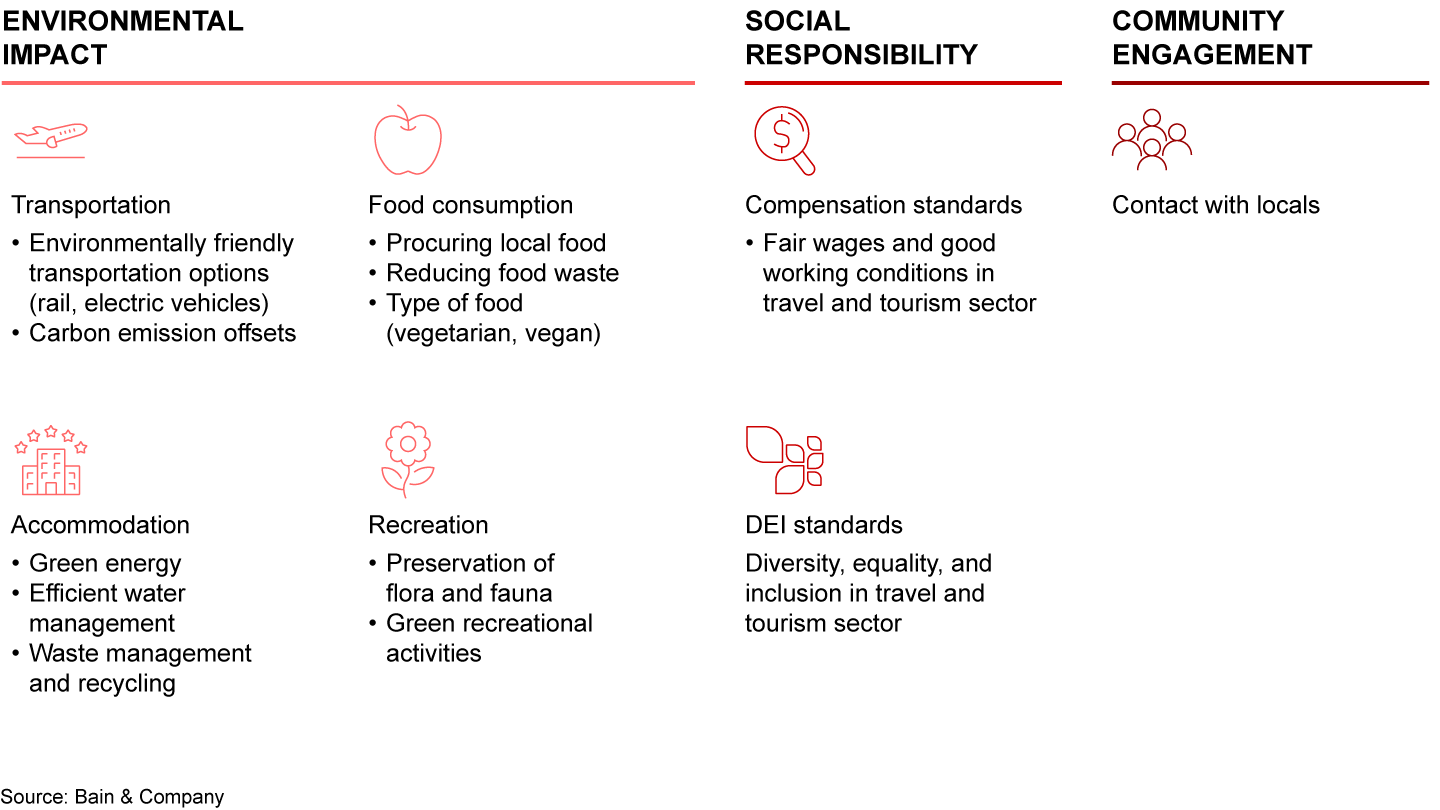
The increasing demand for sustainable tourism is not limited to eco-warriors who choose niche experiences and exclusive sustainability offerings. It is simply an appetite to travel sustainably and make more responsible choices. Bain & Company developed a framework defining the components of a sustainable tourism experience around three pillars: environmental impact, social responsibility, and community engagement (see Figure 2).
Figure 2

Travelers interested in visiting the MENA (Middle East and Northern Africa) region are no exception—with a significant opportunity among the “sustainability enthusiasts” segment
Bain launched a research study to better understand the behaviors and preferences of relevant travelers interested in MENA as a destination. Our research covered consumers from six markets: Germany, Italy, France, the UK, Saudi Arabia, and China.
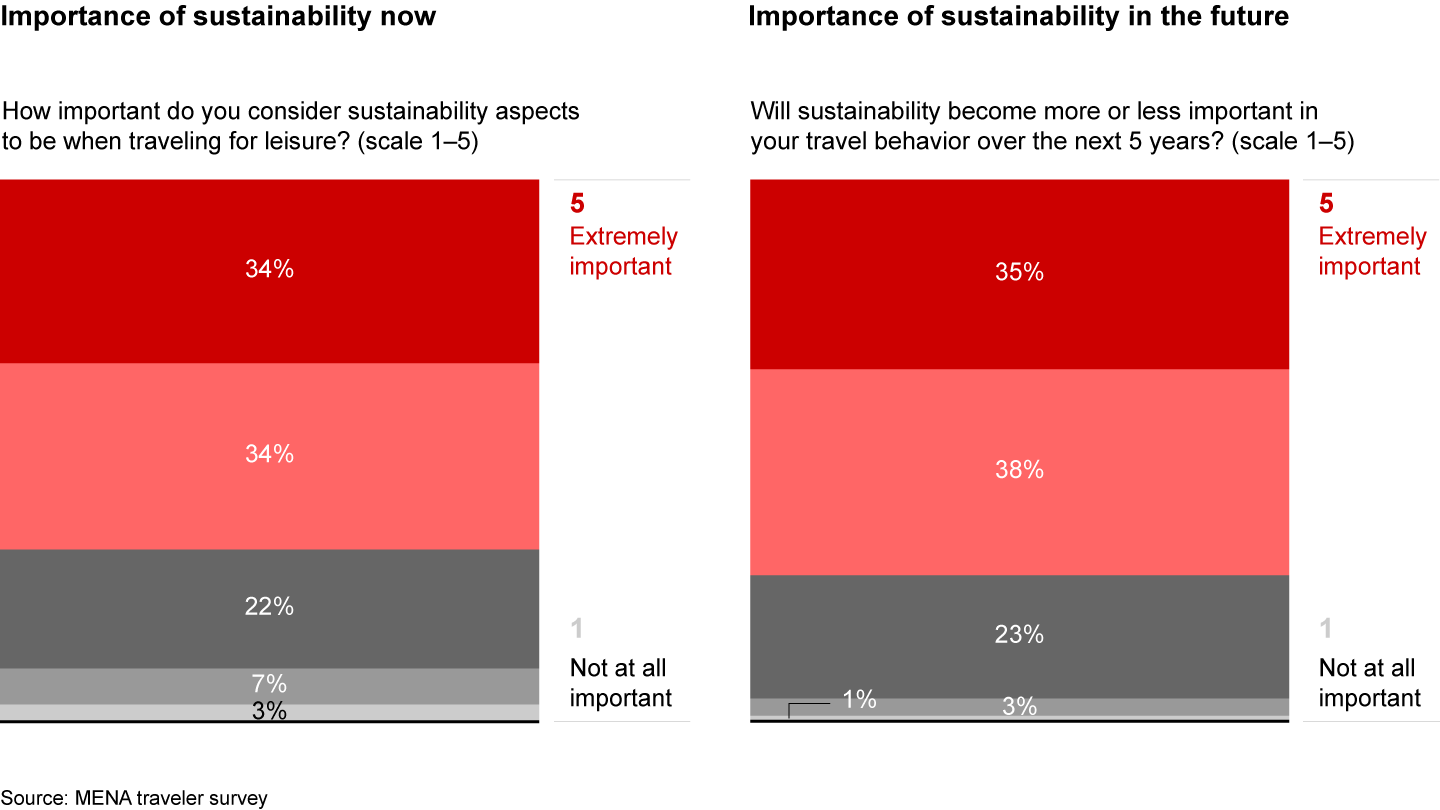
Overall, more than two-thirds of the surveyed consumers in the selected markets consider sustainability aspects to be important or extremely important when traveling for leisure, and 73% expect sustainability to become more important over the next five years (see Figure 3). In addition, they state that sustainability considerations influence their choices (64%), they are willing to pay extra for more sustainable offerings (66%), and they would recommend a holiday destination based on sustainability considerations (57%).
Figure 3

Among the respondents, we identified sustainability enthusiasts—those who consider sustainability “extremely important,” both in their daily life and when traveling for leisure (~30% of survey respondents).
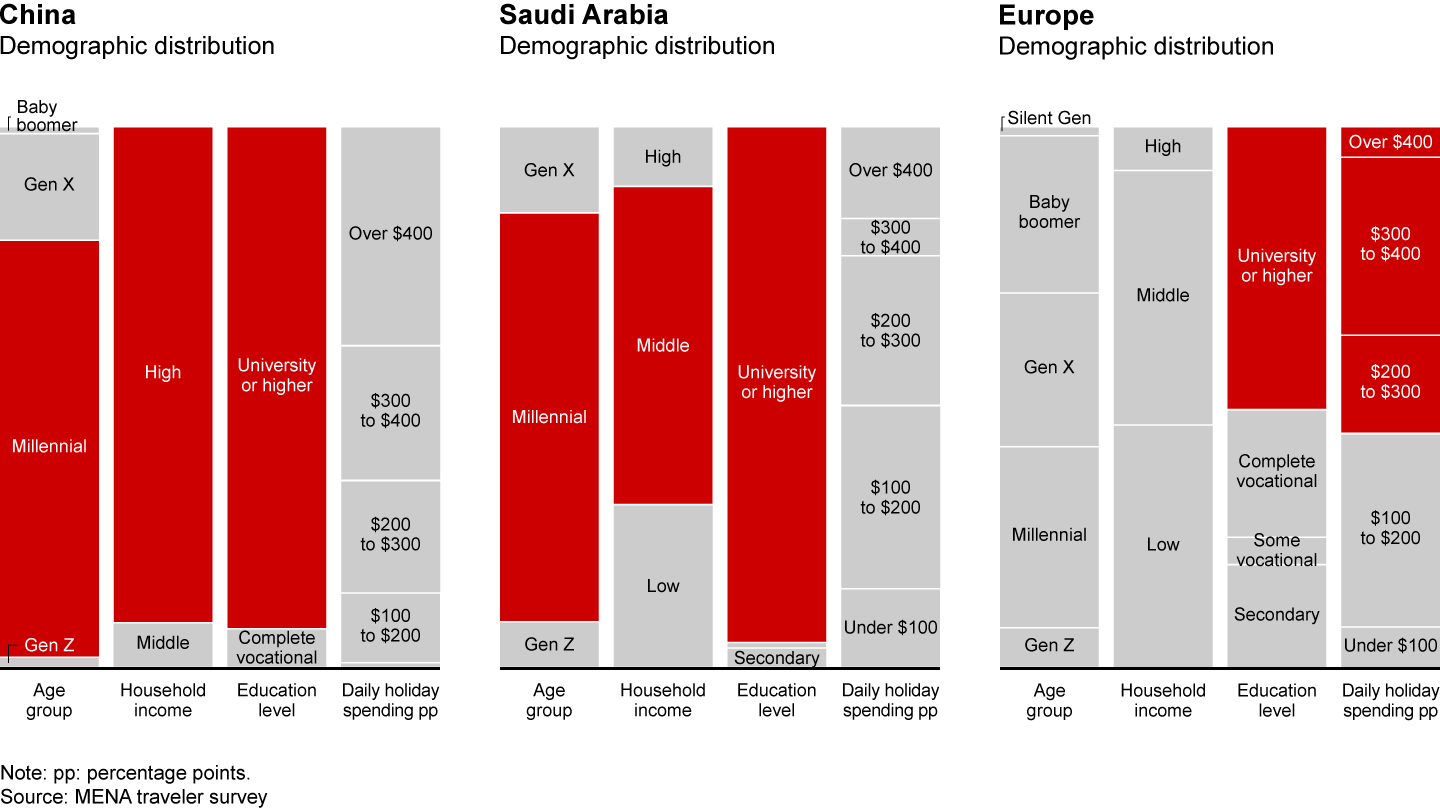
Sustainability enthusiasts were found in all markets, but demographics varied by market (see Figure 4). For example, sustainability enthusiasts from China and Saudi Arabia were predominantly highly educated (university or higher) millennials, whereas their European counterparts were almost equally spread across age groups, income, and education levels.
Figure 4

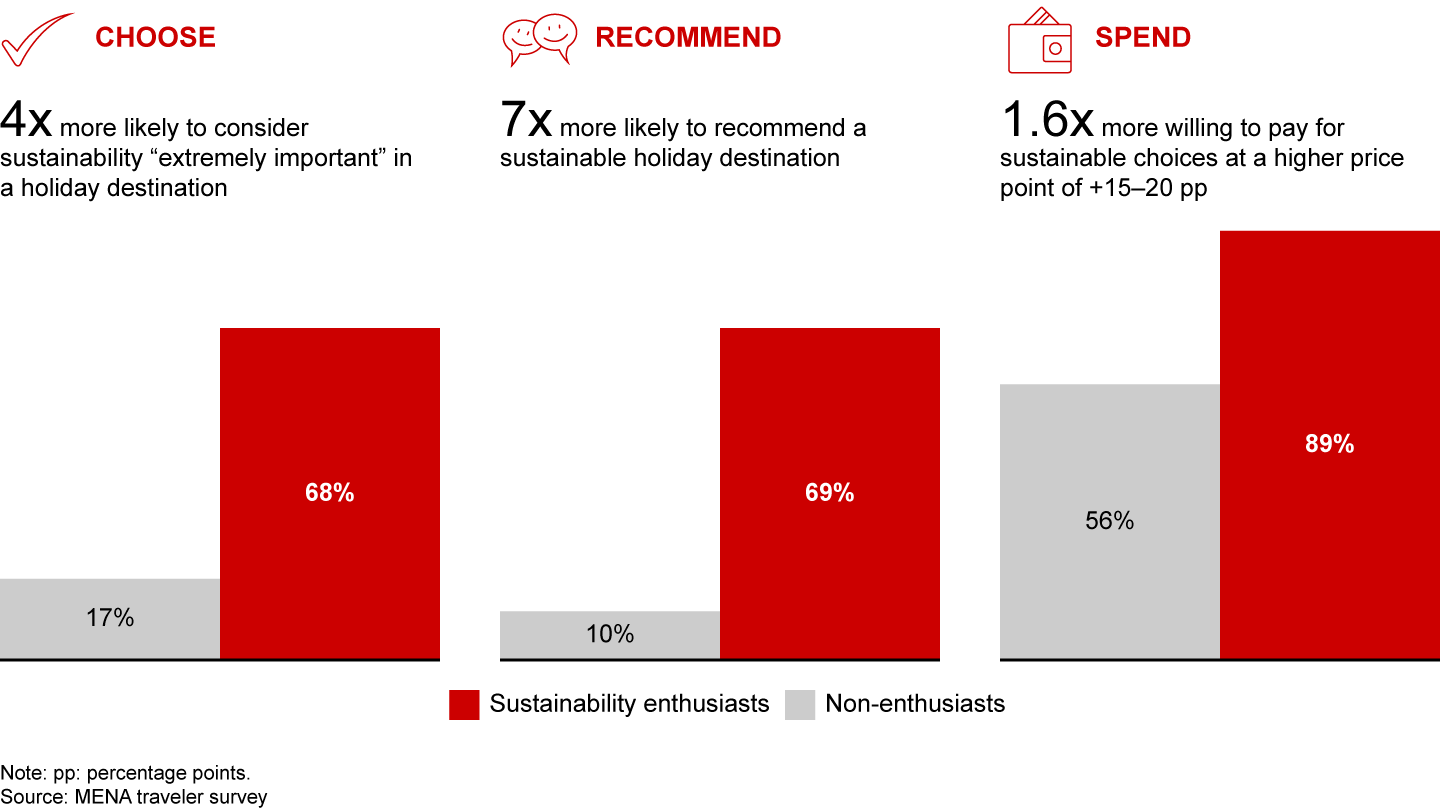
What makes sustainability enthusiasts such an important target group? Compared with the rest of the survey respondents, sustainability enthusiasts were:
- 4x more likely to consider sustainability aspects as “extremely important” when choosing a holiday destination
- 7x more likely to recommend a holiday destination driven by sustainability considerations
- 1.6x more willing to pay for more sustainable choices, at a premium of 15 to 20 percentage points compared to non-enthusiasts (see Figure 5)
Figure 5

While we recognize that there is a “say vs. do” gap in terms of what consumers actually choose and how much more they are willing to pay for more sustainable choices, sustainability enthusiasts remain a significant segment that countries can tackle through different sustainability offerings.
Egypt has several assets to leverage, but still has some work to do
Driven by the opportunity presented by sustainable tourism, holiday destinations and travel and tourism providers worldwide take steps to improve their sustainability performance and traveler perception of how sustainable their practices and offerings are.
Egypt has already launched several initiatives to improve the sustainability performance of its travel and tourism sector. Some examples include:
- Mainstreaming Biodiversity in Egypt’s Tourism (MBDT), which aims to provide continuous support to eco-certified tourism establishments and businesses, increase sectoral awareness of sustainable operations, and reduce the negative impact of harmful tourism development and practices
- Green Star Hotel (GSH), a national green certification and capacity-building program recognized by the Global Sustainable Tourism Council (GSTC). GSH aims to support sustainable tourism with a capacity-building program, including training and information support sessions for interested hotels, leading to GSH certification when they meet program standards.
- Flagship initiatives promoting Egypt’s holiday destinations across sustainability pillars:
- The village of El-Qula’an in the Red Sea, a sustainable eco-village that aims to “achieve sustainability and tourism development without changing the natural features.”
- The resort town of El Gouna, “the first place in Africa and the Arab region to receive the UN-sponsored Global Green Town award,” which recognizes cities that display “substantial efforts and progress towards environmental sustainability and a greener community.” El Gouna has a zero-waste system where more than 85% of all waste is reused and recycled.
- “Path of the Holy Family,” a tourist route aimed at developing and restoring Egypt’s historical, cultural, touristic, and archaeological role by stimulating religious tourism to create job opportunities and develop infrastructure along the route.
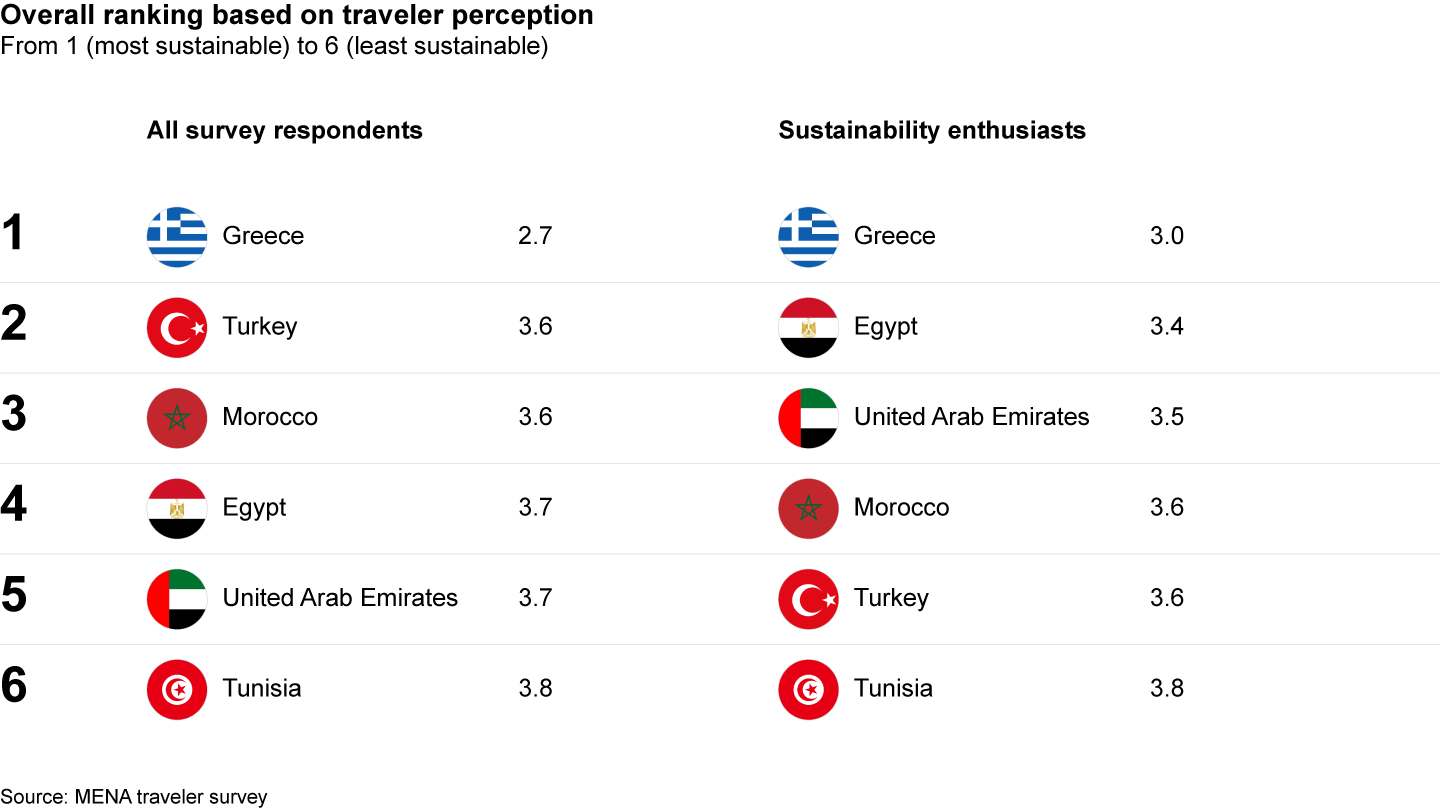
To evaluate how travelers perceive Egypt’s sustainability efforts, we asked the survey respondents to rank Egypt’s sustainability performance vs. main competing destinations in MENA (Greece, Turkey, Tunisia, UAE, Morocco). Overall, Greece ranked first as the holiday destination perceived to be most sustainable, while Egypt ranked fourth (see Figure 6). On the other hand, the perception of Egypt significantly improved among sustainability enthusiasts, while we saw significant differences in how Egypt and other competing destinations were perceived across the different markets (China, Saudi Arabia, Europe).
Figure 6

Balancing the right mix of “bass notes” and “high notes” is important for Egypt’s sustainable tourism
Bass notes are topics important to broad stakeholders. For these topics, you set objectives and achieve a range of benefits. The ambition level for bass notes is set according to aspirations: (1) setting high industry standards (“leading”), (2) being at par vs. competition (“following”), and (3) complying with regulations (“compliant”).
High notes are topics for which you seek to create differential competitive advantage with key constituents. Holiday destinations and businesses in the tourist sector set a “distinctive” (or leading) aspiration—going far beyond regulatory requirements and driving bold changes to address the industry’s main challenges, differentiating from competitors in doing so.
While bass notes are critical to driving the sustainability agenda, customers follow the high notes.
For example, holiday destinations like Greece and Morocco are addressing their bass notes by:
- Actively pursuing sustainability certificates and awards
- Enhancing infrastructure, such as renewable energy sources and sustainable transport modes (see electric vehicles and energy efficient ferries on Greek islands)
- Establishing international cooperation programs
- Implementing advanced waste management practices
Examples of high notes include:
- Promotion of recreational activities within Greece’s pristine nature in areas untouched by mass tourism such as ecocultural trails in Samothraki, scenic train routes, and mountain biking trails in Epirus
- Sustainable island concepts through local flagship initiatives among many of its islands, such as the Clean Blue Paros initiative that aims to make Paros the first single-use plastic waste-free island in the Mediterranean
- Opportunities to experience local traditions and Moroccan hospitality and gastronomy, such as the Moussem of Tan-Tan festival and the Sefrou Cherry Festival
Recommendations for Egypt’s sustainable tourism industry development
As Egypt continues its journey to becoming a more sustainable holiday destination, we have identified several bass and high notes that it can pursue:
Bass notes:
- Expand sustainability certificates and awards at the destination and business level.
- Focus on infrastructure and technical solutions:
- Enhance accessibility of sustainable destinations, including public transport options and other sustainable alternatives.
- Expand Egypt Sustainable Tourism Portal’s reach and scope beyond (1) hotels and restaurants (e.g., bus tour companies, agencies offering recreational activities) and (2) the environmental impact to address the social responsibility and community engagement pillars of sustainability.
- Distribute benefits for local communities. Focus on distributing the benefits of sustainable tourism development across regions, educating local communities on what the sector can mean for them, and facilitating investments in local businesses.
High notes:
- Become best-in-class within the MENA region at preserving its cultural and natural assets as well as other unexplored historical sites and Egypt’s natural heritage covering the key eco-tourism zones—coastal, desert, riverbanks, and wetlands.
- Promote tailored sustainability promise for key destinations—for example, unspoiled diving at Sharm El-Sheikh; ecolodges at Siwa Oasis; and sustainable transport modes to, from, and within Luxor.
Egypt has a significant opportunity to develop its sustainable tourism industry. If developed and positioned well, this will allow Egypt to tap into new tourist segments, expand the network of promoters for tourism in Egypt, and get a higher share of wallet. A concerted effort and mobilization from all players in the tourism ecosystem in Egypt is required to capitalize on this opportunity. The roadmap should include:
- Targeting the sustainability enthusiasts
- Dialing up Egypt’s high notes by:
- “Repackaging” existing tourist offerings to highlight sustainability aspects
- Defining new sustainable offerings
- Launching flagship initiatives to improve the perception of Egypt’s sustainability performance
- Attending to bass notes, including pursuing certificates, enhancing infrastructure, and distributing benefits to local communities
- Nurturing the tourism ecosystem by stimulating businesses and local communities to adopt sustainable practices while securing necessary funding
First published in 7月 2023