Skip to Content
  • オフィス

    オフィス

    北米・南米
    • Atlanta
    • Austin
    • Bogota
    • Boston
    • Buenos Aires
    • Chicago
    • Dallas
    • Denver
    • Houston
    • Los Angeles
    • Mexico City
    • Minneapolis
    • Monterrey
    • Montreal
    • New York
    • Rio de Janeiro
    • San Francisco
    • Santiago
    • São Paulo
    • Seattle
    • Silicon Valley
    • Toronto
    • Washington, DC
    ヨーロッパ・中東・アフリカ
    • Amsterdam
    • Athens
    • Berlin
    • Brussels
    • Copenhagen
    • Doha
    • Dubai
    • Dusseldorf
    • Frankfurt
    • Helsinki
    • Istanbul
    • Johannesburg
    • Kyiv
    • Lisbon
    • London
    • Madrid
    • Milan
    • Munich
    • Oslo
    • Paris
    • Riyadh
    • Rome
    • Stockholm
    • Vienna
    • Warsaw
    • Zurich
    アジア・オーストラリア
    • Bangkok
    • Beijing
    • Bengaluru
    • Brisbane
    • Ho Chi Minh City
    • Hong Kong
    • Jakarta
    • Kuala Lumpur
    • Manila
    • Melbourne
    • Mumbai
    • New Delhi
    • Perth
    • Shanghai
    • Singapore
    • Sydney
    • Tokyo
    全てのオフィス
  • アルムナイ
  • メディア
  • お問い合わせ
  • 東京オフィス
  • Japan | 日本語

    地域と言語を選択

    グローバル
    • Global (English)
    北米・南米
    • Brazil (Português)
    • Argentina (Español)
    • Canada (Français)
    • Chile (Español)
    • Colombia (Español)
    ヨーロッパ・中東・アフリカ
    • France (Français)
    • DACH Region (Deutsch)
    • Italy (Italiano)
    • Spain (Español)
    • Greece (Elliniká)
    アジア・オーストラリア
    • China (中文版)
    • Korea (한국어)
    • Japan (日本語)
  • Saved items (0)
    Saved items (0)

    You have no saved items.

    後で閲読、共有できるようにするためにブックマークしてください

    Explore Bain Insights
  • 業界別プラクティス
    メインメニュー

    業界別プラクティス

    • 航空宇宙、防衛、政府関連
    • 農業
    • 化学製品
    • インフラ、建設
    • 消費財
    • 金融サービス
    • ヘルスケア
    • 産業機械、設備
    • メディア、エンターテインメント
    • 金属
    • 採掘・鉱業
    • 石油、ガス
    • 紙、パッケージ
    • プライベートエクイティ
    • 公共、社会セクター
    • 小売
    • テクノロジー
    • 通信
    • 交通
    • 観光産業
    • 公益事業、再生可能エネルギー
  • 機能別プラクティス
    メインメニュー

    機能別プラクティス

    • カスタマー・エクスペリエンス
    • サステイナビリティ、 社会貢献
    • Innovation
    • 企業買収、合併 (M&A)
    • オペレーション
    • 組織
    • プライベートエクイティ
    • マーケティング・営業
    • 戦略
    • アドバンスド・アナリティクス
    • Technology
    • フルポテンシャル・トランスフォーメーション
  • Digital
  • 知見/レポート
  • ベイン・アンド・カンパニーについて
    メインメニュー

    ベイン・アンド・カンパニーについて

    • ベインの信条
    • 活動内容
    • 社員とリーダーシップ
    • プレス・メディア情報
    • クライアントの結果
    • 受賞歴
    • パートナーシップを結んでいる団体
    Further: Our global responsibility
    • ダイバーシティ
    • 社会貢献
    • サステイナビリティへの取り組み
    • 世界経済フォーラム(WEF)
    Learn more about Further
  • キャリア
    メインメニュー

    キャリア

    • ベインで働く
      キャリア
      ベインで働く
      • Find Your Place
      • ベインで活躍する機会
      • ベインのチーム体制
      • 学生向けページ
      • インターンシップ
      • 採用イベント
    • ベインでの体験
      キャリア
      ベインでの体験
      • Blog: Inside Bain
      • キャリアストーリー
      • 社員紹介
      • Where We Work
      • 成長を後押しするサポート体制
      • アフィニティ・グループ
      • 福利厚生
    • Impact Stories
    • 採用情報
      キャリア
      採用情報
      • 採用プロセス
      • 面接内容
    FIND JOBS
  • オフィス
    メインメニュー

    オフィス

    • 北米・南米
      オフィス
      北米・南米
      • Atlanta
      • Austin
      • Bogota
      • Boston
      • Buenos Aires
      • Chicago
      • Dallas
      • Denver
      • Houston
      • Los Angeles
      • Mexico City
      • Minneapolis
      • Monterrey
      • Montreal
      • New York
      • Rio de Janeiro
      • San Francisco
      • Santiago
      • São Paulo
      • Seattle
      • Silicon Valley
      • Toronto
      • Washington, DC
    • ヨーロッパ・中東・アフリカ
      オフィス
      ヨーロッパ・中東・アフリカ
      • Amsterdam
      • Athens
      • Berlin
      • Brussels
      • Copenhagen
      • Doha
      • Dubai
      • Dusseldorf
      • Frankfurt
      • Helsinki
      • Istanbul
      • Johannesburg
      • Kyiv
      • Lisbon
      • London
      • Madrid
      • Milan
      • Munich
      • Oslo
      • Paris
      • Riyadh
      • Rome
      • Stockholm
      • Vienna
      • Warsaw
      • Zurich
    • アジア・オーストラリア
      オフィス
      アジア・オーストラリア
      • Bangkok
      • Beijing
      • Bengaluru
      • Brisbane
      • Ho Chi Minh City
      • Hong Kong
      • Jakarta
      • Kuala Lumpur
      • Manila
      • Melbourne
      • Mumbai
      • New Delhi
      • Perth
      • Shanghai
      • Singapore
      • Sydney
      • Tokyo
    全てのオフィス
  • アルムナイ
  • メディア
  • お問い合わせ
  • 東京オフィス
  • Japan | 日本語
    メインメニュー

    地域と言語を選択

    • グローバル
      地域と言語を選択
      グローバル
      • Global (English)
    • 北米・南米
      地域と言語を選択
      北米・南米
      • Brazil (Português)
      • Argentina (Español)
      • Canada (Français)
      • Chile (Español)
      • Colombia (Español)
    • ヨーロッパ・中東・アフリカ
      地域と言語を選択
      ヨーロッパ・中東・アフリカ
      • France (Français)
      • DACH Region (Deutsch)
      • Italy (Italiano)
      • Spain (Español)
      • Greece (Elliniká)
    • アジア・オーストラリア
      地域と言語を選択
      アジア・オーストラリア
      • China (中文版)
      • Korea (한국어)
      • Japan (日本語)
  • Saved items  (0)
    メインメニュー
    Saved items (0)

    You have no saved items.

    後で閲読、共有できるようにするためにブックマークしてください

    Explore Bain Insights
  • 業界別プラクティス
    • 業界別プラクティス

      • 航空宇宙、防衛、政府関連
      • 農業
      • 化学製品
      • インフラ、建設
      • 消費財
      • 金融サービス
      • ヘルスケア
      • 産業機械、設備
      • メディア、エンターテインメント
      • 金属
      • 採掘・鉱業
      • 石油、ガス
      • 紙、パッケージ
      • プライベートエクイティ
      • 公共、社会セクター
      • 小売
      • テクノロジー
      • 通信
      • 交通
      • 観光産業
      • 公益事業、再生可能エネルギー
  • 機能別プラクティス
    • 機能別プラクティス

      • カスタマー・エクスペリエンス
      • サステイナビリティ、 社会貢献
      • Innovation
      • 企業買収、合併 (M&A)
      • オペレーション
      • 組織
      • プライベートエクイティ
      • マーケティング・営業
      • 戦略
      • アドバンスド・アナリティクス
      • Technology
      • フルポテンシャル・トランスフォーメーション
  • Digital
  • 知見/レポート
  • ベイン・アンド・カンパニーについて
    • ベイン・アンド・カンパニーについて

      • ベインの信条
      • 活動内容
      • 社員とリーダーシップ
      • プレス・メディア情報
      • クライアントの結果
      • 受賞歴
      • パートナーシップを結んでいる団体
      Further: Our global responsibility
      • ダイバーシティ
      • 社会貢献
      • サステイナビリティへの取り組み
      • 世界経済フォーラム(WEF)
      Learn more about Further
  • キャリア
    人気検索キーワード
    • デジタル
    • 戦略
    前回の検索
      最近訪れたページ

      Content added to saved items

      Saved items (0)

      Removed from saved items

      Saved items (0)

      レポート

      Creating Value in Tech through Constant Reinvention

      Creating Value in Tech through Constant Reinvention

      Leading companies find ways to win platform transitions.

      著者:David Crawford, Ravi Vijayaraghavan, and Chris Johnson

      • min read
      }

      レポート

      Creating Value in Tech through Constant Reinvention
      en

      This article is Chapter 3 of Bain’s global Technology Report 2020. Explore the contents of the report here or download the PDF to read the full report.

      The largest value-creating transformations in technology involve two things: winning a platform battle, and accelerating growth by either repositioning the core business or extending its capabilities into new domains.

      The highest-valued technology companies are all platform winners that established their successful platforms as a market transition unfolded. There’s Microsoft with Azure and Office 365, Amazon with e-commerce and Amazon Web Services, Google with search and Android, Facebook with social media, Adobe with Creative Cloud, and so on.

      The term “platform” is often used broadly. Here, we use it very specifically to indicate a product or service upon which others build their livelihood—one that attracts an ecosystem of partners and customers who collectively deliver value. The concept is as old as road widths, but is more prevalent in the technology sector than other industries. Now, it’s becoming more critical as abundant foundational infrastructure such as cloud computing and mobile communications has enabled global, interconnected platforms to rapidly scale up.

      The playbook for establishing a successful platform is no secret: mobilize early, offer the best ecosystem economics, win the anchor partners and customers, scale up the business, and extend and deepen customer engagement. However, the specifics of each platform strategy vary, and the journey is fraught with pitfalls. A platform by nature creates so-called network effects that can result in attractive economics and a winner-takes-most dynamic. As a result, platform battles are usually hotly contested, with intense races to scale.

      The key to the other half of the value-creation equation depends on where a technology company falls in its life cycle—disruptor or incumbent. When a company already has a mature platform-based business model, the formula for value creation involves repositioning the core business as the market transition occurs. When a company’s platforms are still nascent and growing, the formula for value creation more often involves extending them into new domains.

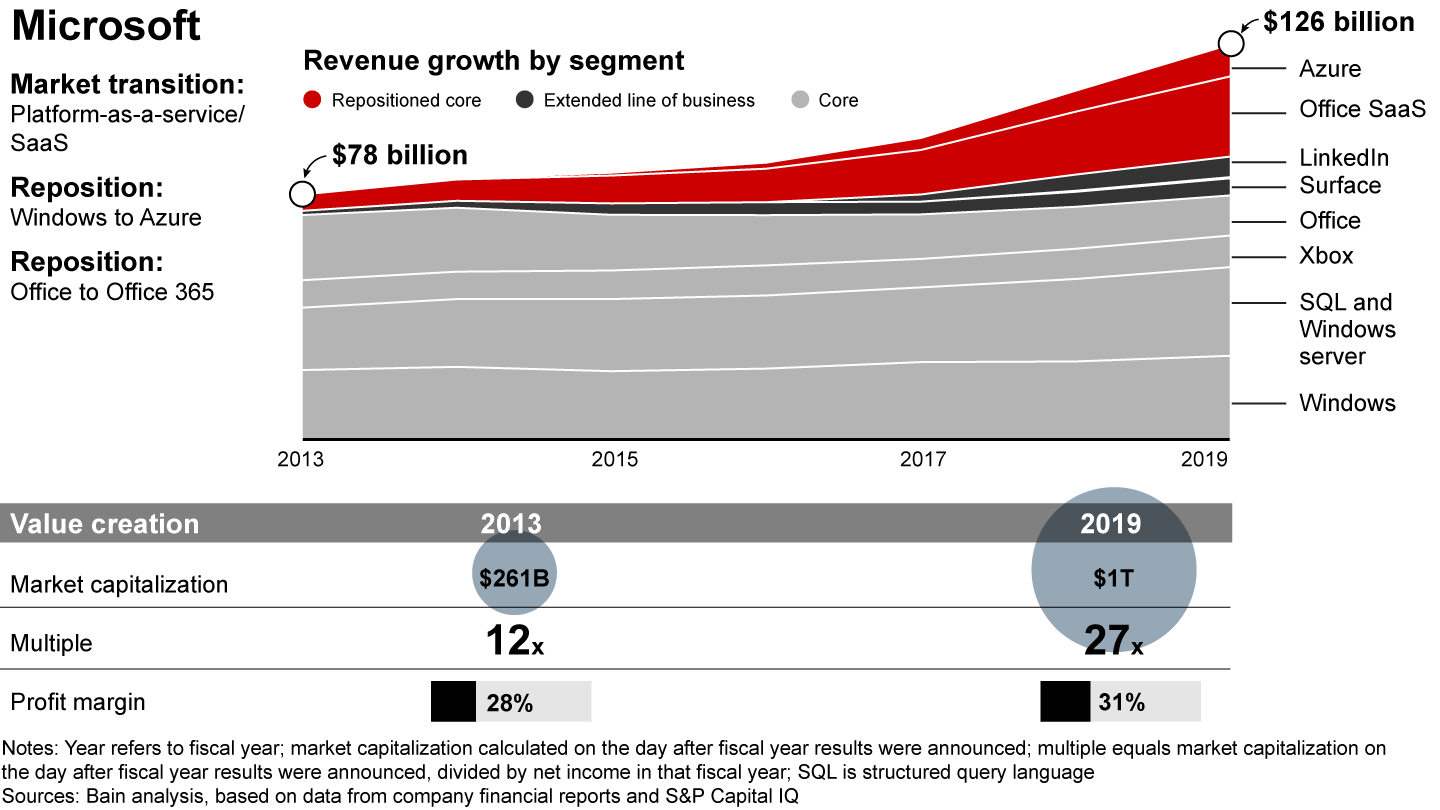
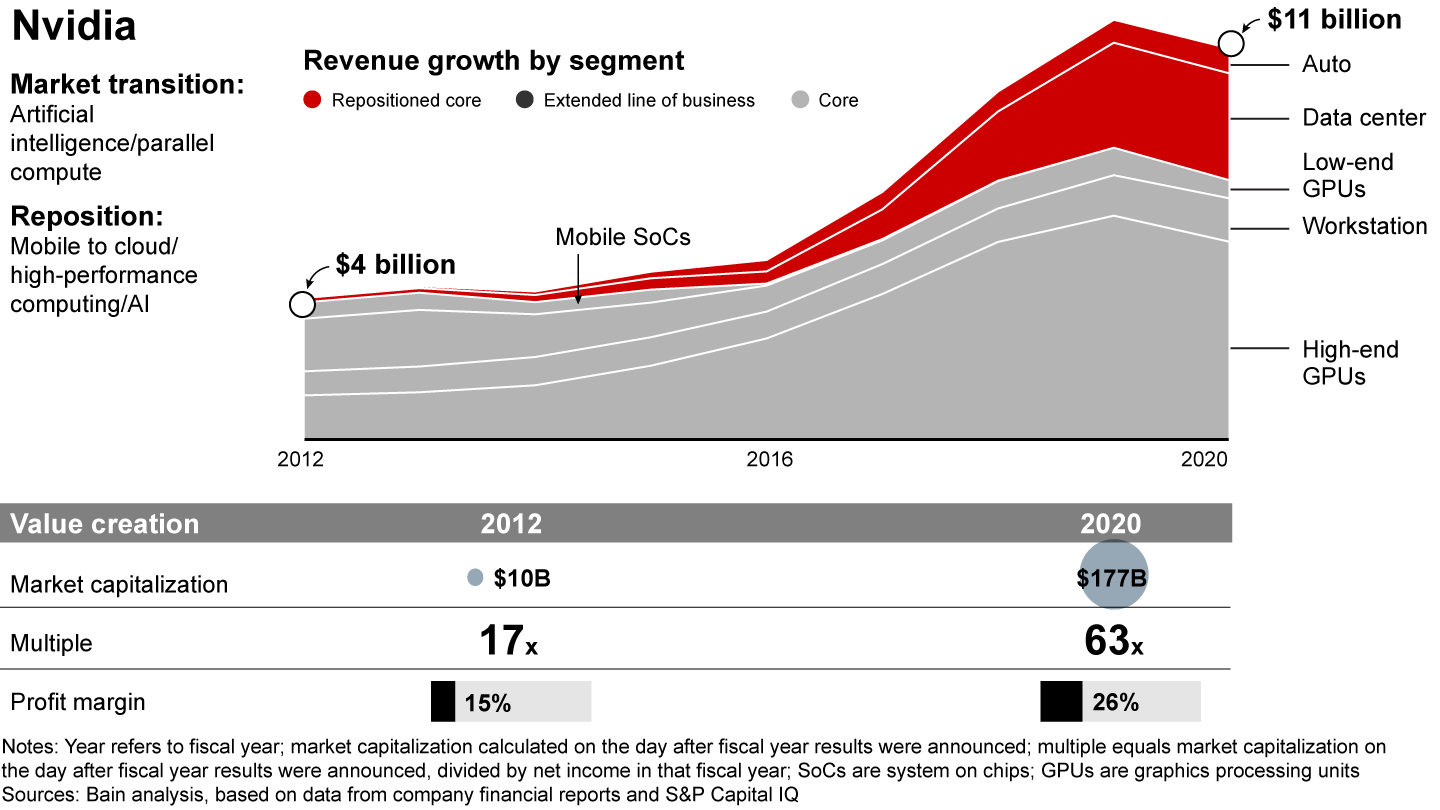
      The core repositioning formula is particularly potent if the market has concluded such a repositioning is unlikely. Examples include Microsoft’s and Adobe’s repositioning around the cloud, and Nvidia’s repositioning from mobile devices to graphics and the data center, as artificial intelligence growth exploded (see Figures 1 through 3).

      Figure 1
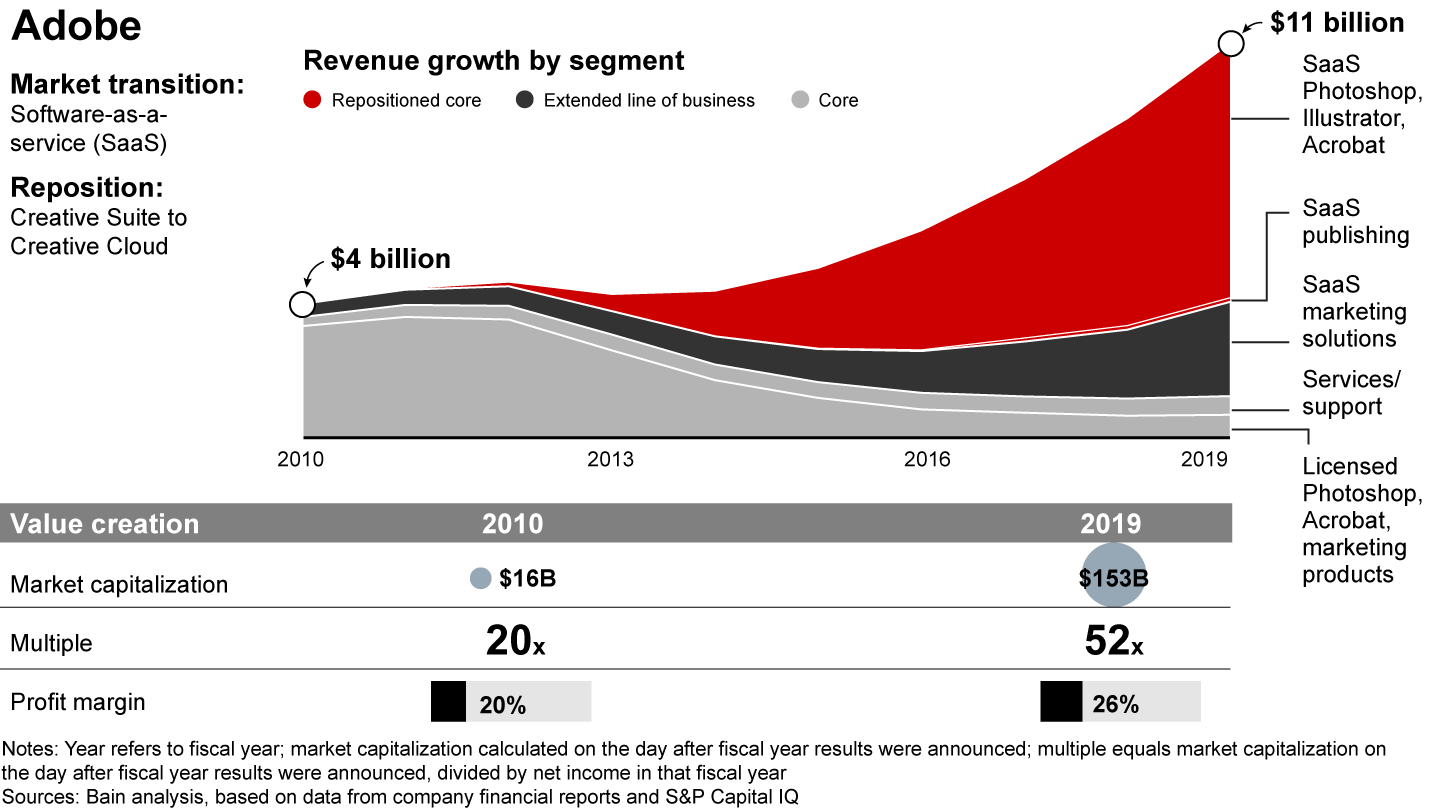
      Some technology leaders navigate market transitions by repositioning their core business
      Chart showing how Adobe navigated market transitions by repositioning its core businesses.
      Chart showing how Adobe navigated market transitions by repositioning its core businesses.
      Figure 2
      Some technology leaders navigate market transitions by repositioning their core business
      Chart showing how Microsoft navigated market transitions by repositioning its core businesses.
      Chart showing how Microsoft navigated market transitions by repositioning its core businesses.
      Figure 3
      Some technology leaders navigate market transitions by repositioning their core business
      Chart showing how Nvidia navigated market transitions by repositioning its core businesses.
      Chart showing how Nvidia navigated market transitions by repositioning its core businesses.

      These transitions can be tricky. The new platform can pose conflicts for the old by cannibalizing the core business and alienating existing partners or customers. The better today’s business is performing, the greater the resistance to change. But waiting until growth slows is often too late.

      Adobe timed the refocus of its core business well. In 2011, the US-based company charged $700 for a copy of its Photoshop software, available only on compact discs. CEO Shantanu Narayen decided to begin switching to a software-as-a-service model in which Adobe licensed a bundle of programs starting at $50 per month, delivered through the cloud. Adobe was making a big bet that its new Creative Cloud would make it a stronger company in the long run, even if it took a hit initially.

      The transition likely gave Adobe executives heartburn. From 2011 to 2014, the company’s total annual revenue declined slightly from $4.2 billion to $4.1 billion, as its boxed software business shrank. But the Creative Cloud quickly began to deliver on its promise. In 2014, Adobe’s annualized recurring revenue was $1.6 billion for the segment that includes Creative Cloud. By 2019, the bet had paid off in a big way. Annualized recurring revenue for the Creative Cloud segment had swelled to $7.3 billion. The company had 89% recurring revenue, and its stock price was trading at more than 50 times its earnings. From 2010 to 2019, Adobe’s market value jumped from $16 billion to $153 billion.

      Of course, many companies have missed the opportunity to refocus their businesses, and ended up worse off. Nokia, for example, was unable to adapt its feature phone business for the smartphone era. In the years following the introduction of the Apple iPhone, Nokia lost billions of dollars in market value and ended up selling its handset unit. 

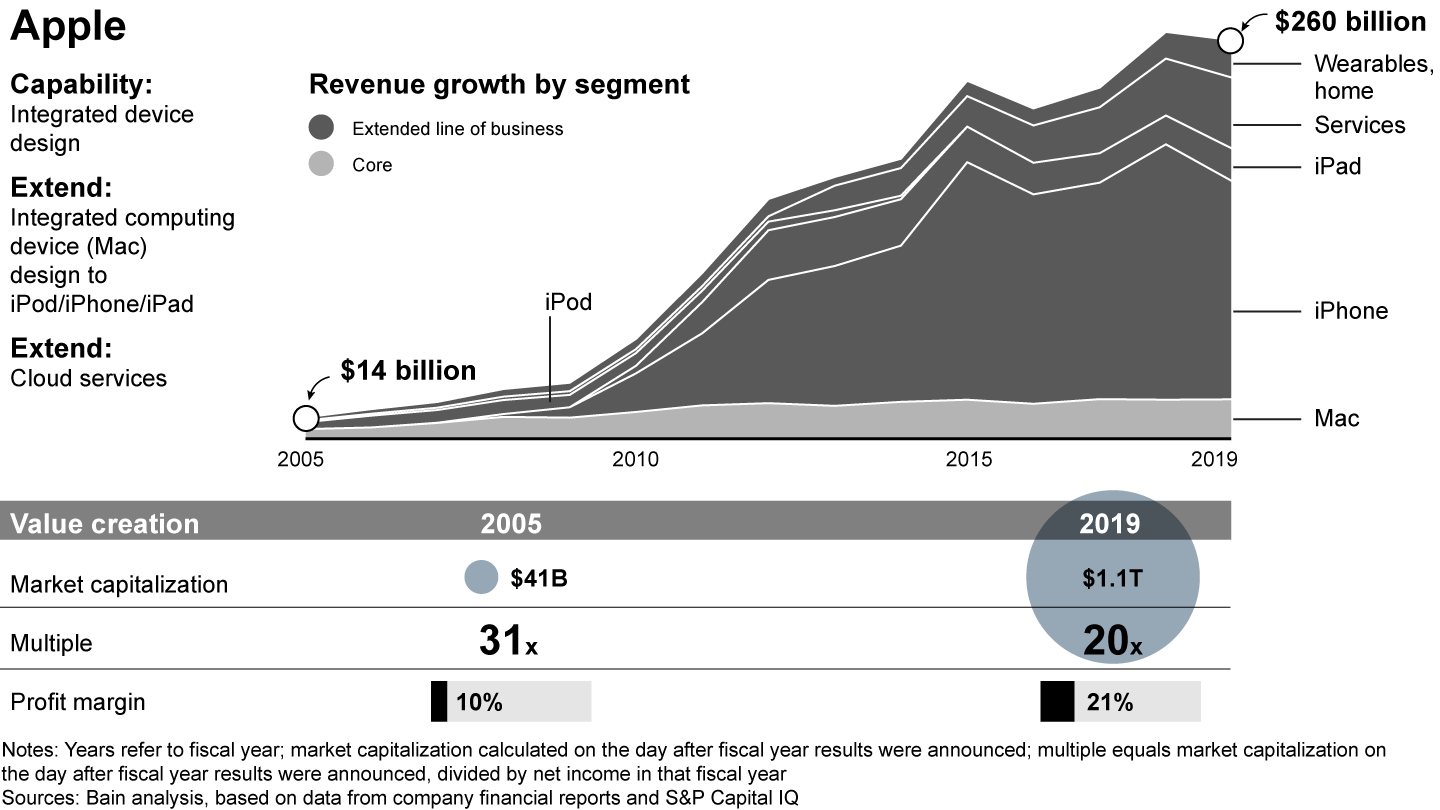
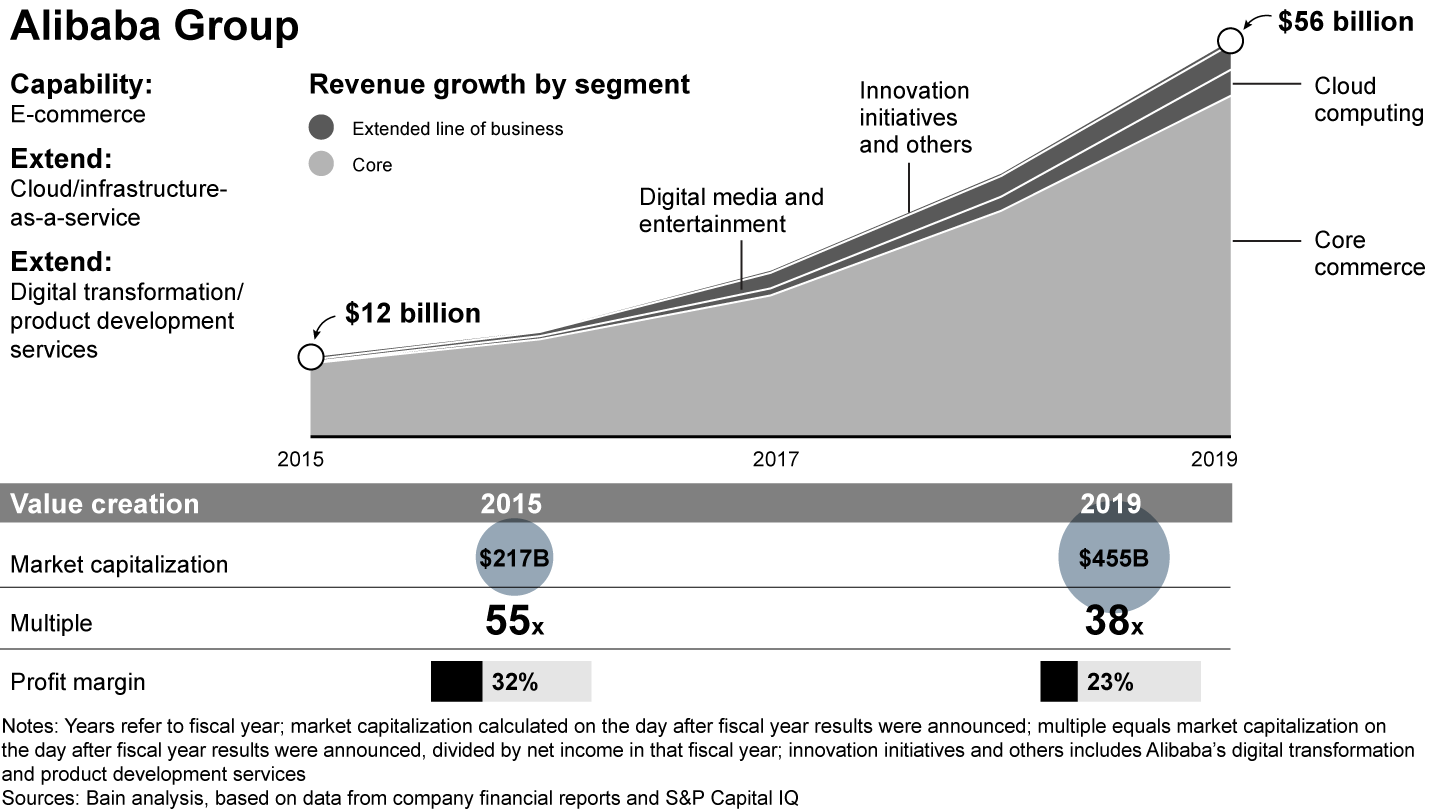
      Technology companies in a high-growth phase face a different set of challenges when trying to extend their capabilities to create new businesses. The trick is to find the sweet spot where the organization’s strengths match a promising market opportunity. Examples include Amazon’s extension into cloud-computing services with AWS; Apple’s extension into mobile media devices, smartphones and media content; and Alibaba Group’s extension into payments, cloud computing and digital transformation of businesses. These companies built on their core strengths to reach new customers, deepen their relationships with existing ones, or accomplish both (see Figures 4 through 6).

      Figure 4
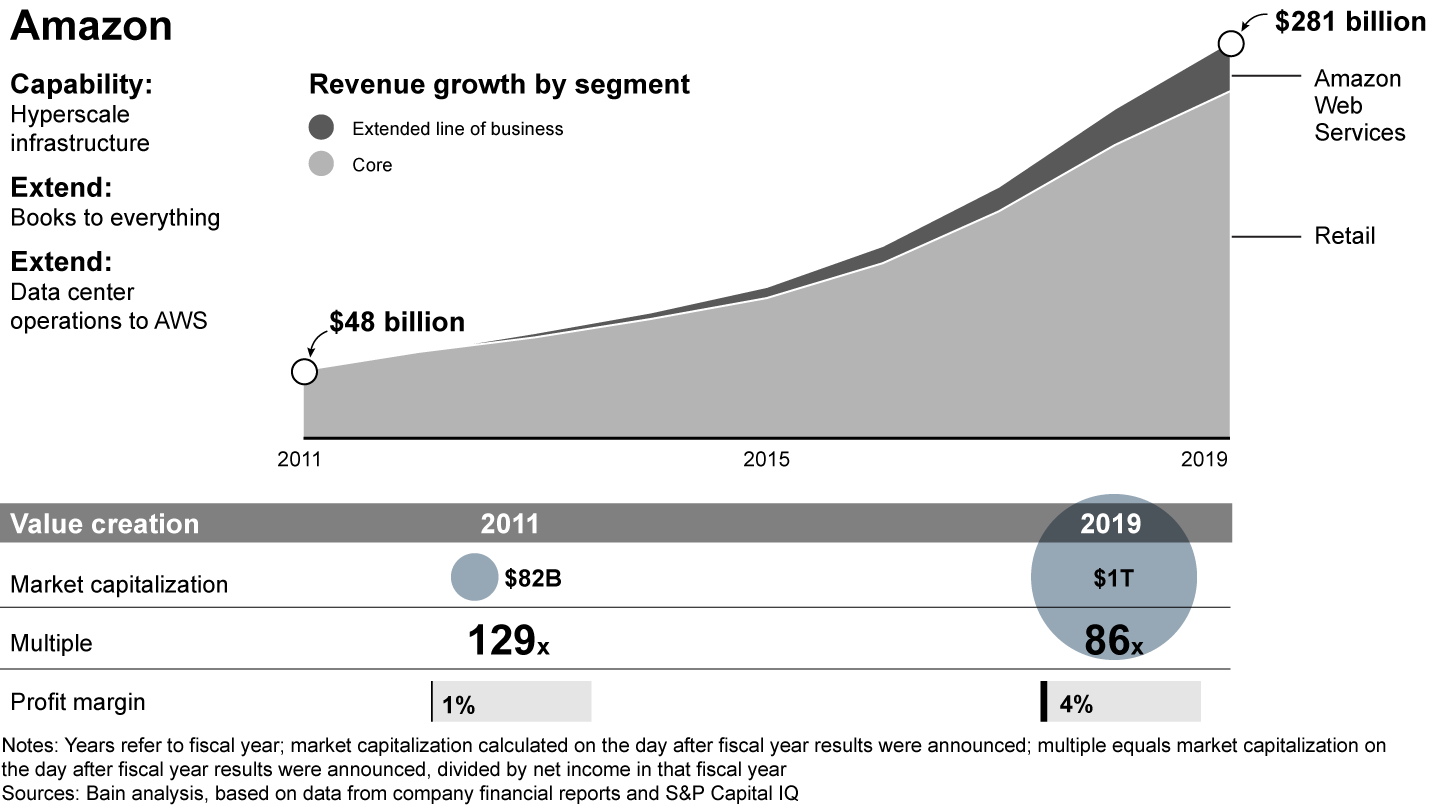
      Some technology leaders extend core capabilities into new domains with low customer conflict
      Chart showing how Amazon extended its core capabilities into new domains with low customer conflict.
      Chart showing how Amazon extended its core capabilities into new domains with low customer conflict.
      Figure 5
      Some technology leaders extend core capabilities into new domains with low customer conflict
      Chart showing how Apple extended its core capabilities into new domains with low customer conflict.
      Chart showing how Apple extended its core capabilities into new domains with low customer conflict.
      Figure 6
      Some technology leaders extend core capabilities into new domains with low customer conflict
      Chart showing how Alibaba Group extended its core capabilities into new domains with low customer conflict.
      Chart showing how Alibaba Group extended its core capabilities into new domains with low customer conflict.

      Alibaba Group has successfully navigated several business extensions. From the start, the China-based company’s main growth engine has been online marketplaces. But five years after the company’s 1999 launch, its leaders took advantage of the organization’s e-commerce know-how and created an online payments service called Alipay. That product was later spun out as Ant Group, now one of the largest financial-technology firms headquartered in China.

      As Alibaba’s popularity grew, it had to build a massive computing infrastructure to handle the millions of transactions on its various e-commerce platforms. Company leaders realized they could turn those assets and their experience into a new business offering third-party cloud-computing services. Alibaba Cloud was born in 2009 and had grown to $3.7 billion in annual revenue a decade later.

      More recently, Alibaba has made a push to help enterprises digitally transform their businesses with the help of its analytic capabilities and expertise spanning e-commerce, cloud computing, financial technology, supply chains, sales and marketing, and consumer insights. Alibaba’s series of business extensions have made it one of the most valuable technology companies in the world, with a market capitalization of $455 billion at the end of its 2019 fiscal year.

      Whether a company needs to reposition or extend its core business, the essential job of management is to deeply understand the transition occurring in its sector and create a plan built around the firm’s strengths. This encompasses not only its strategic products and services, but also its operational capabilities and employees’ skills and expertise. Once the company has lined up its competencies with the sector’s evolution, it can invest strategically in product and service expansions, partnerships, and mergers and acquisitions to navigate the market transition quickly and successfully. 

      Read the Next Chapter

      Beyond Moore’s Law: Capture Value from Data


      著者
      • Headshot of David Crawford
        David Crawford
        パートナー, Silicon Valley
      • Headshot of Ravi Vijayaraghavan
        Ravi Vijayaraghavan
        パートナー, Singapore
      • Headshot of Chris Johnson
        Chris Johnson
        Alumni, San Francisco
      関連業種
      • Software
      • テクノロジー
      関連するコンサルティングサービス
      • IT
      Technology Report
      Five Functions Where AI Is Already Delivering

      Spurred on by early success, companies of all sizes are increasing their spending on generative AI.

      詳細
      Technology Report
      Will Agentic AI Disrupt SaaS?

      Disruption is mandatory. Obsolescence is optional.

      詳細
      テクノロジー
      Software M&A

      The good news: Most deal best practices still apply to AI acquisitions.

      詳細
      テクノロジー
      How Businesses Can Prepare for Post-Quantum Cybersecurity Threats

      Your company will soon face attackers armed with quantum technology. Will you be ready?

      詳細
      Technology Report
      State of the Art of Agentic AI Transformation

      Tech-forward enterprises have cracked the code on ROI for AI. Falling behind is riskier than ever as the next wave of agentic AI raises the stakes.

      詳細
      First published in 10月 2020
      Tags
      • IT
      • Software
      • Technology Report
      • テクノロジー

      クライアント支援事例

      サステイナビリティ、社会貢献 Can Microchips Turbocharge Sustainability Improvement?

      ケーススタディを見る

      Helping a Midsize ERP Player Compete against the Giants

      ケーススタディを見る

      顧客戦略、マーケティング Increased sales productivity frees selling time and saves millions

      ケーススタディを見る

      お気軽にご連絡下さい

      私達は、グローバルに活躍する経営者が抱える最重要経営課題に対して、厳しい競争環境の中でも成長し続け、「結果」を出すために支援しています。

      ベインの知見。競争が激化するグローバルビジネス環境で、日々直面するであろう問題について論じている知見を毎月お届けします。

      *プライバシーポリシーの内容を確認し、合意しました。

      プライバシーポリシーをご確認頂き、合意頂けますようお願い致します。
      Bain & Company
      お問い合わせ Sustainability Accessibility Terms of use Privacy Cookie Policy Sitemap Log In

      © 1996-2026 Bain & Company, Inc.

      お問い合わせ

      How can we help you?

      • ビジネスについて
      • プレス報道について
      • 採用について
      全てのオフィス