
Skip to Content
  • オフィス

    オフィス

    北米・南米
    • Atlanta
    • Austin
    • Bogota
    • Boston
    • Buenos Aires
    • Chicago
    • Dallas
    • Denver
    • Houston
    • Los Angeles
    • Mexico City
    • Minneapolis
    • Monterrey
    • Montreal
    • New York
    • Rio de Janeiro
    • San Francisco
    • Santiago
    • São Paulo
    • Seattle
    • Silicon Valley
    • Toronto
    • Washington, DC
    ヨーロッパ・中東・アフリカ
    • Amsterdam
    • Athens
    • Berlin
    • Brussels
    • Copenhagen
    • Doha
    • Dubai
    • Dusseldorf
    • Frankfurt
    • Helsinki
    • Istanbul
    • Johannesburg
    • Kyiv
    • Lisbon
    • London
    • Madrid
    • Milan
    • Munich
    • Oslo
    • Paris
    • Riyadh
    • Rome
    • Stockholm
    • Vienna
    • Warsaw
    • Zurich
    アジア・オーストラリア
    • Bangkok
    • Beijing
    • Bengaluru
    • Brisbane
    • Ho Chi Minh City
    • Hong Kong
    • Jakarta
    • Kuala Lumpur
    • Manila
    • Melbourne
    • Mumbai
    • New Delhi
    • Perth
    • Shanghai
    • Singapore
    • Sydney
    • Tokyo
    全てのオフィス
  • アルムナイ
  • メディア
  • お問い合わせ
  • 東京オフィス
  • Japan | 日本語

    地域と言語を選択

    グローバル
    • Global (English)
    北米・南米
    • Brazil (Português)
    • Argentina (Español)
    • Canada (Français)
    • Chile (Español)
    • Colombia (Español)
    ヨーロッパ・中東・アフリカ
    • France (Français)
    • DACH Region (Deutsch)
    • Italy (Italiano)
    • Spain (Español)
    • Greece (Elliniká)
    アジア・オーストラリア
    • China (中文版)
    • Korea (한국어)
    • Japan (日本語)
  • Saved items (0)
    Saved items (0)

    You have no saved items.

    後で閲読、共有できるようにするためにブックマークしてください

    Explore Bain Insights
  • 業界別プラクティス
    メインメニュー

    業界別プラクティス

    • 航空宇宙、防衛、政府関連
    • 農業
    • 化学製品
    • インフラ、建設
    • 消費財
    • 金融サービス
    • ヘルスケア
    • 産業機械、設備
    • メディア、エンターテインメント
    • 金属
    • 採掘・鉱業
    • 石油、ガス
    • 紙、パッケージ
    • プライベートエクイティ
    • 公共、社会セクター
    • 小売
    • テクノロジー
    • 通信
    • 交通
    • 観光産業
    • 公益事業、再生可能エネルギー
  • 機能別プラクティス
    メインメニュー

    機能別プラクティス

    • カスタマー・エクスペリエンス
    • サステイナビリティ、 社会貢献
    • Innovation
    • 企業買収、合併 (M&A)
    • オペレーション
    • 組織
    • プライベートエクイティ
    • マーケティング・営業
    • 戦略
    • アドバンスド・アナリティクス
    • Technology
    • フルポテンシャル・トランスフォーメーション
  • Digital
  • 知見/レポート
  • ベイン・アンド・カンパニーについて
    メインメニュー

    ベイン・アンド・カンパニーについて

    • ベインの信条
    • 活動内容
    • 社員とリーダーシップ
    • プレス・メディア情報
    • クライアントの結果
    • 受賞歴
    • パートナーシップを結んでいる団体
    Further: Our global responsibility
    • ダイバーシティ
    • 社会貢献
    • サステイナビリティへの取り組み
    • 世界経済フォーラム(WEF)
    Learn more about Further
  • キャリア
    メインメニュー

    キャリア

    • ベインで働く
      キャリア
      ベインで働く
      • Find Your Place
      • ベインで活躍する機会
      • ベインのチーム体制
      • 学生向けページ
      • インターンシップ
      • 採用イベント
    • ベインでの体験
      キャリア
      ベインでの体験
      • Blog: Inside Bain
      • キャリアストーリー
      • 社員紹介
      • Where We Work
      • 成長を後押しするサポート体制
      • アフィニティ・グループ
      • 福利厚生
    • Impact Stories
    • 採用情報
      キャリア
      採用情報
      • 採用プロセス
      • 面接内容
    FIND JOBS
  • オフィス
    メインメニュー

    オフィス

    • 北米・南米
      オフィス
      北米・南米
      • Atlanta
      • Austin
      • Bogota
      • Boston
      • Buenos Aires
      • Chicago
      • Dallas
      • Denver
      • Houston
      • Los Angeles
      • Mexico City
      • Minneapolis
      • Monterrey
      • Montreal
      • New York
      • Rio de Janeiro
      • San Francisco
      • Santiago
      • São Paulo
      • Seattle
      • Silicon Valley
      • Toronto
      • Washington, DC
    • ヨーロッパ・中東・アフリカ
      オフィス
      ヨーロッパ・中東・アフリカ
      • Amsterdam
      • Athens
      • Berlin
      • Brussels
      • Copenhagen
      • Doha
      • Dubai
      • Dusseldorf
      • Frankfurt
      • Helsinki
      • Istanbul
      • Johannesburg
      • Kyiv
      • Lisbon
      • London
      • Madrid
      • Milan
      • Munich
      • Oslo
      • Paris
      • Riyadh
      • Rome
      • Stockholm
      • Vienna
      • Warsaw
      • Zurich
    • アジア・オーストラリア
      オフィス
      アジア・オーストラリア
      • Bangkok
      • Beijing
      • Bengaluru
      • Brisbane
      • Ho Chi Minh City
      • Hong Kong
      • Jakarta
      • Kuala Lumpur
      • Manila
      • Melbourne
      • Mumbai
      • New Delhi
      • Perth
      • Shanghai
      • Singapore
      • Sydney
      • Tokyo
    全てのオフィス
  • アルムナイ
  • メディア
  • お問い合わせ
  • 東京オフィス
  • Japan | 日本語
    メインメニュー

    地域と言語を選択

    • グローバル
      地域と言語を選択
      グローバル
      • Global (English)
    • 北米・南米
      地域と言語を選択
      北米・南米
      • Brazil (Português)
      • Argentina (Español)
      • Canada (Français)
      • Chile (Español)
      • Colombia (Español)
    • ヨーロッパ・中東・アフリカ
      地域と言語を選択
      ヨーロッパ・中東・アフリカ
      • France (Français)
      • DACH Region (Deutsch)
      • Italy (Italiano)
      • Spain (Español)
      • Greece (Elliniká)
    • アジア・オーストラリア
      地域と言語を選択
      アジア・オーストラリア
      • China (中文版)
      • Korea (한국어)
      • Japan (日本語)
  • Saved items  (0)
    メインメニュー
    Saved items (0)

    You have no saved items.

    後で閲読、共有できるようにするためにブックマークしてください

    Explore Bain Insights
  • 業界別プラクティス
    • 業界別プラクティス

      • 航空宇宙、防衛、政府関連
      • 農業
      • 化学製品
      • インフラ、建設
      • 消費財
      • 金融サービス
      • ヘルスケア
      • 産業機械、設備
      • メディア、エンターテインメント
      • 金属
      • 採掘・鉱業
      • 石油、ガス
      • 紙、パッケージ
      • プライベートエクイティ
      • 公共、社会セクター
      • 小売
      • テクノロジー
      • 通信
      • 交通
      • 観光産業
      • 公益事業、再生可能エネルギー
  • 機能別プラクティス
    • 機能別プラクティス

      • カスタマー・エクスペリエンス
      • サステイナビリティ、 社会貢献
      • Innovation
      • 企業買収、合併 (M&A)
      • オペレーション
      • 組織
      • プライベートエクイティ
      • マーケティング・営業
      • 戦略
      • アドバンスド・アナリティクス
      • Technology
      • フルポテンシャル・トランスフォーメーション
  • Digital
  • 知見/レポート
  • ベイン・アンド・カンパニーについて
    • ベイン・アンド・カンパニーについて

      • ベインの信条
      • 活動内容
      • 社員とリーダーシップ
      • プレス・メディア情報
      • クライアントの結果
      • 受賞歴
      • パートナーシップを結んでいる団体
      Further: Our global responsibility
      • ダイバーシティ
      • 社会貢献
      • サステイナビリティへの取り組み
      • 世界経済フォーラム(WEF)
      Learn more about Further
  • キャリア
    人気検索キーワード
    • デジタル
    • 戦略
    前回の検索
      最近訪れたページ

      Content added to saved items

      Saved items (0)

      Removed from saved items

      Saved items (0)

      The Visionary CEO’s Guide to Sustainability

      Organizing for Sustainability

      Organizing for Sustainability

      Most companies are way behind on their sustainability goals. Focusing on four things can accelerate progress.

      著者:Sarah Elk, Grégoire Schaub, Sanjay Dhiri, and 石川 順也

      • min read
      }

      レポート

      Organizing for Sustainability
      en
      At a Glance
      • In a Bain survey, most executives report having a bold sustainability ambition with clear targets, but almost none feel they are on track to achieve them.
      • Based on more than 300 conversations with executives and our work with scores of companies in transition, organizations that are succeeding at sustainability do four things consistently.

      This article is part of Bain’s 2023 CEO Sustainability Guide

      Explore the report

      Companies have ambitious sustainability targets they are struggling to meet. In our recent global survey of large-company executives, 67% report having a bold sustainability ambition with clear targets across environmental, social, and governance aims, but only 3% feel they are on track to achieve them.

      One consistent reason: Companies have not mobilized the core of their business to realize these sustainability ambitions. Instead, sustainability targets are set without input from the business units tasked with leading change. As a result, the businesses don’t feel they own the problem, leaving promising ideas withering from lack of support and slowing progress overall. A minority of leaders—fewer than 25%—believe sustainability is well integrated into their business today, our research found. It’s not surprising that 36% report being far below their expected level of progress on these issues.

      With the right focus, however, companies can construct the operating model needed to advance a more sustainable future. This starts with embracing a new mindset. Today, many companies treat sustainability only as a constraint, something they have to do. They can’t expect to achieve their ambitions if they don’t see that sustainability is an opportunity to create value as well.

      Based on more than 300 conversations with executives on this topic and our experience working with scores of companies in transition, organizations that are succeeding at sustainability do four things worth emulating.

      1. Break down ambitions into a portfolio of business outcomes

      Companies need to translate their sustainability ambitions into concrete, discrete goals mapped to specific business operations. This involves having challenging conversations and being open to setting multiyear goals, even when the solution or how it will be realized is not yet clear. Testing strategies to achieve these outcomes, and learning from those tests, is the only way to reach your true objective.

      CEO Doug McMillon describes Walmart’s ambition as going “beyond sustainability to become a regenerative company dedicated to placing nature and humanity at the center of our business practices.” To get there, Walmart engages in challenging dialogues about business outcomes, considering the full implications of carbon reduction for refrigeration, for example, or what it means for the transport of goods to stores and in the last mile to customer homes, and what moving toward zero waste will mean for operations. The approach has helped Walmart reduce or avoid more than 750 million metric tons of emissions since 2017.

      Chemicals and materials company Solvay has similarly focused its sustainability ambition on “climate, resources, and better life” and translated that into a roadmap of business outcomes. These include boosting energy efficiency and process electrification, increasing green power supplies across plants, reducing pressure on sites’ biodiversity, lowering water intake, and more. As a former global business unit president, the company’s chief sustainability officer, Pascal Chalvon Demersay, brings a business lens to sustainability. By systematically determining the environmental impact of all products and weaving sustainability goals throughout the organization, Solvay has reduced its direct emissions by 19% and its biodiversity pressure by 28% since 2018.

      2. Seek out opportunities that benefit multiple stakeholders

      It’s important that everyone working on new sustainability opportunities consider their broadest potential value to a variety of stakeholders.

      A plethora of independent rating agencies now track the value companies generate for individual stakeholder groups and the complex relationships among them—data companies can use to design a strategy that delivers mutual benefits for all. (For more on this, see “Building a Data-Based Stakeholder Strategy.”)

      In many situations, improving sustainability will require trade-offs among stakeholders. In the field of climate policy, frameworks and protocols that will help stakeholders share knowledge and analyze those trade-offs are being developed.

      Efforts are most likely to benefit multiple stakeholders when that has been a goal from the start. Walmart’s sustainability team and business leaders regularly brainstorm how its efforts can help multiple stakeholders. When they thought about building electric vehicle infrastructure to reduce emissions in the transport of goods from stores and fulfillment centers to homes, they also considered the value that could bring to consumers, associates, and communities. In April, the retailer, which has storefronts within 10 miles of 90% of Americans, announced it would be building a low-cost EV fast-charging network at locations coast to coast, easing concerns about access to recharging and lowering transportation costs, while creating another opportunity for customers to shop—in this case, while recharging.

      3. Dedicate teams to develop new solutions

      While some sustainability activities can be delegated and cascaded directly to the leaders and teams already running the business, others require a more fundamental change to the business. For these, the traditional task force of people working part-time on a project basis is simply insufficient. Companies accelerating toward their sustainability ambitions dedicate teams to reimagine and then test potential new solutions.

      Importantly, they match the team to the work. Depending on the type of goal, a new, dedicated multidisciplinary team might need to be launched, or it might be given to an existing team (see Figure 1). In either case, the team must be dedicated to the task in order to efficiently develop quality solutions.

      Figure 1
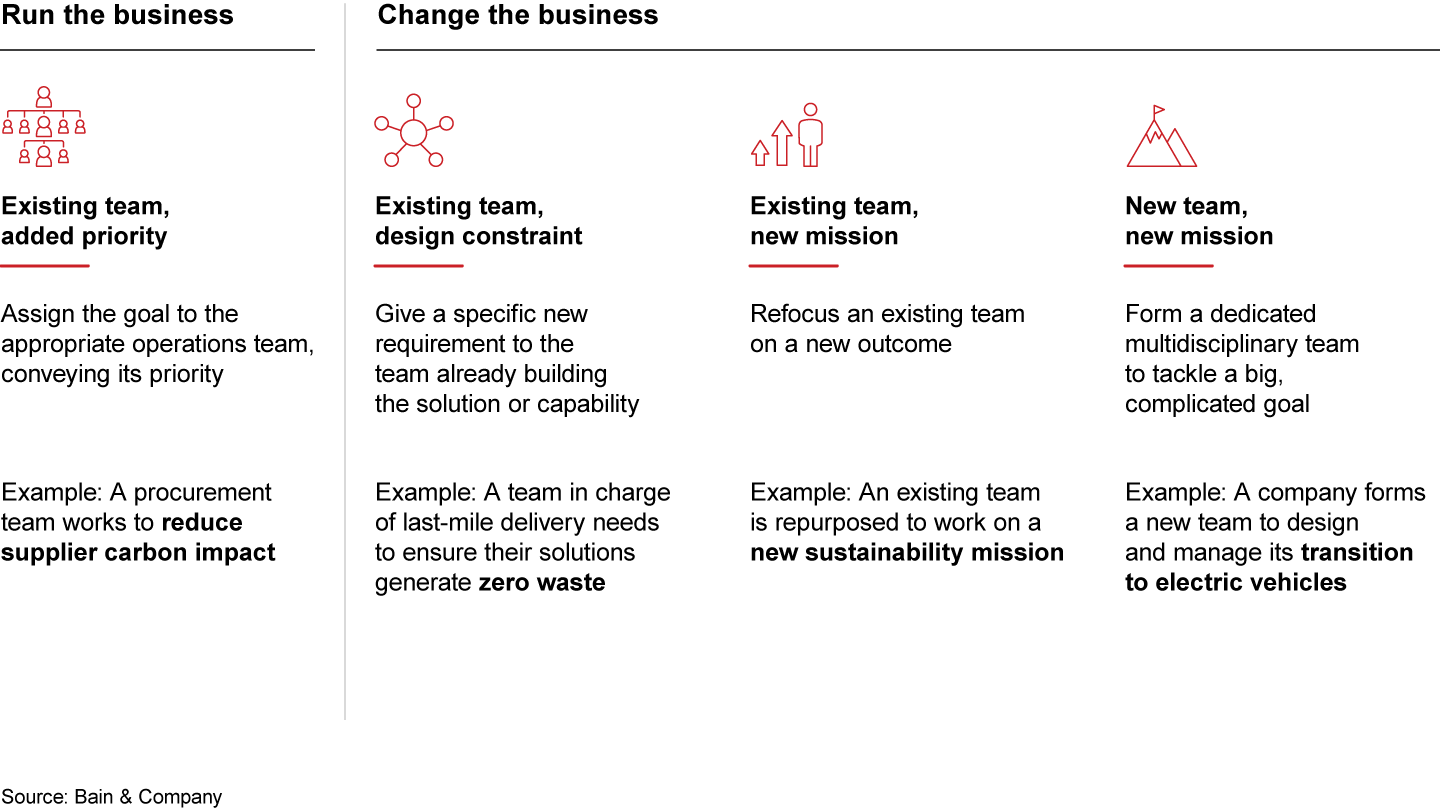
      Match the sustainability goal to the right team

      4. Build a system to accelerate scaling good solutions

      At any given time, Walmart has hundreds of tests running. Feedback loops provide near real-time identification of defects by associates and customers. Solutions that have been scaled and are being optimized are discussed in run-the-business operations meetings, while those in testing are discussed in biweekly transformation meetings. If teams need help between meetings, mechanisms exist to remove roadblocks and get them the resources they need to move as fast as possible. With sustainability outcomes built into the teams, sustainability goals benefit naturally from this well-tuned innovation engine.  

      The ability to scale their best new ideas, whether on sustainability or any other topic, is a hallmark of flexible organizations. This requires:

      • A unit of scaling. This might be a store, a customer segment, a product, or a sales territory. It might be two units, five units, or the entire company.
      • A defined release cycle. How often can customers, employees, suppliers, or other stakeholders expect to receive changes? Three times a year? Four?
      • Feedback loops. When change is repeatable, good communication helps address defects rapidly.
      • Transparent roadmaps. People want to know what might come next.

      Impact

      By adopting these practices, companies ensure that sustainability isn’t something being done on the side but is truly part of the business.

      Solvay’s business leaders see sustainability as a way of mitigating risk and driving lasting value creation, so they build the business case for change on that basis. When they evaluate the business value of any effort, they do so with a carbon price of 100 euros per metric ton incorporated. They also screen for water use, waste valorization, and other ESG adjustments when considering all capital expenditures and M&A decisions. Performance on sustainability impacts 15% of the yearly bonus of all managers. This is all part of a growth strategy made possible by the company’s operating model, which includes four sustainable platforms: renewable materials and biotechnology, batteries, green hydrogen, and thermoplastic composites.

      To understand how well their company is positioned today, CEOs can start by asking their teams a few high-gain questions:

      • Do our middle managers own specific sustainability goals?
      • Have we dedicated certain teams to sustainability innovation, to developing new solutions?
      • Do our employees raise sustainability ideas that could become new sources of value?
      • How could a repeatable model for scaling change accelerate our path to sustainability?

      Read the Next Chapter

      A Talent Strategy for Sustainability: Skills Matter, but Mindset Is Everything

      Read our 2023 CEO Sustainability Guide

      Explore the full report Download PDF
      著者
      • Headshot of Sarah Elk
        Sarah Elk
        Partner, Houston
      • Headshot of Grégoire Schaub
        Grégoire Schaub
        パートナー, Brussels
      • Headshot of Sanjay Dhiri
        Sanjay Dhiri
        パートナー, London
      • Headshot of Junya Ishikawa
        石川 順也
        パートナー, Tokyo
      関連業種
      • エネルギー、天然資源
      • テクノロジー
      • 産業財、サービス
      • 小売
      • 消費財
      関連するコンサルティングサービス
      • Operating Model & Org Design
      • サステイナビリティ、社会貢献
      • 戦略
      • 組織
      CEO's Guide to Sustainability
      The Future Is Circular: How Companies Can Prepare to Grow in a Changing World

      By decoupling economic growth from resource consumption, circular models offer companies their best shot at continued, long-term growth.

      詳細
      CEO's Guide to Sustainability
      From Sustainability Commitments to Impact: Four Pragmatic Questions for Visionary CEOs

      Amid competing priorities, CEOs and consumers still say sustainability matters. By acting now, companies can set the stage for profitable growth.

      詳細
      消費財
      Embracing the “Do-Say” Gap

      Three pragmatic questions that shift sustainability from ambition to action.

      詳細
      サステイナビリティ、社会貢献
      Taking a Globally Orchestrated Approach to Digital Disruption

      New technologies such as generative AI, quantum computing, and climate technology require unique but complementary managerial muscles.

      詳細
      CEO's Guide to Sustainability
      The Sustainability Puzzle: What Do Consumers Really Want?

      How businesses can unlock the challenge of helping consumers live sustainably.

      詳細

      Introduction

      • The Questions Every CEO Needs to Ask About Sustainability

      Levers of Change: Technology, Behavior, Policy

      • Selling Sustainability Means Decoding Consumers

      • Does a Purpose Help Brands Grow?

      • Lower Costs, Faster Adoption: Closing the Sustainable Innovation Gap

      • The Future Is Circular: How Companies Can Prepare to Grow in a Changing World

      • Leading with Vision: Harnessing the Climate Policy Response

      Sector Perspectives

      • Building Resilience in Your Business Strategy: Four Imperatives for Leaders

      • The Energy Transition’s Other Big Puzzle: Making the Math Work

      • Can Food and Agriculture Companies Raise Their Game?

      • Fires, Floods, and Loans: How Banks Can Deal with Increasing Climate Risks

      Making It Happen

      • Building a Data-Based Stakeholder Strategy

      • Operations and Supply Chain Decarbonization: Lower Emissions, Higher Performance

      • Making Business Do Better for Everyone

      • Organizing for Sustainability

      • A Talent Strategy for Sustainability: Skills Matter, but Mindset Is Everything

      First published in 11月 2023
      Tags
      • CEO's Guide to Sustainability
      • Operating Model & Org Design
      • エネルギー、天然資源
      • サステイナビリティ、社会貢献
      • テクノロジー
      • 産業財、サービス
      • 小売
      • 消費財
      • 戦略
      • 組織

      クライアント支援事例

      Customer Experience With Sophisticated Customer Segmentation, a Travel Company Sets Sail

      ケーススタディを見る

      IT An Energy and Chemical Company Rebuilds Its Technology Foundation

      ケーススタディを見る

      戦略 Focus on core delivers growth for retailer

      ケーススタディを見る

      お気軽にご連絡下さい

      私達は、グローバルに活躍する経営者が抱える最重要経営課題に対して、厳しい競争環境の中でも成長し続け、「結果」を出すために支援しています。

      ベインの知見。競争が激化するグローバルビジネス環境で、日々直面するであろう問題について論じている知見を毎月お届けします。

      *プライバシーポリシーの内容を確認し、合意しました。

      プライバシーポリシーをご確認頂き、合意頂けますようお願い致します。
      Bain & Company
      お問い合わせ Sustainability Accessibility Terms of use Privacy Cookie Policy Sitemap Log In

      © 1996-2026 Bain & Company, Inc.

      お問い合わせ

      How can we help you?

      • ビジネスについて
      • プレス報道について
      • 採用について
      全てのオフィス